Birding

Thanksgiving morning Toby woke up to noise and smells. He got out of bed and went downstairs in his PJs. The noise and smells were coming from the kitchen. His mother, aunt Susie and grandma Evans were talking and cooking. His seven-year-old sister Tilly was sitting on the counter singing one of her happy songs.

In the family room, Uncle Kevin and his father were sitting at a card table. Grandpa was sitting in the big chair reading a book. Toby went over to the card table.

“Hey Tob,” said Uncle Kevin.

“What are you doing?” Toby asked.

“We’re playing Risk,” replied his father.

“Can I play?” Toby asked.

“I think this game is a bit too hard for you,” his father replied. “We’ll play a different game later.”

Grandpa called Toby to come over and sit on his lap. Five-year old Toby did just that. He wanted to know what grandpa was looking at.

“It’s A Year-Round Guide to Indiana Bird Watching,” grandpa told him.

“Why you reading that grandpa?

 “I like birds, Tobias. Do you?”

“Uh-huh.” Toby rubbed his eyes and lifted the book to see the pictures. “What’s that?’ He pointed to the page.

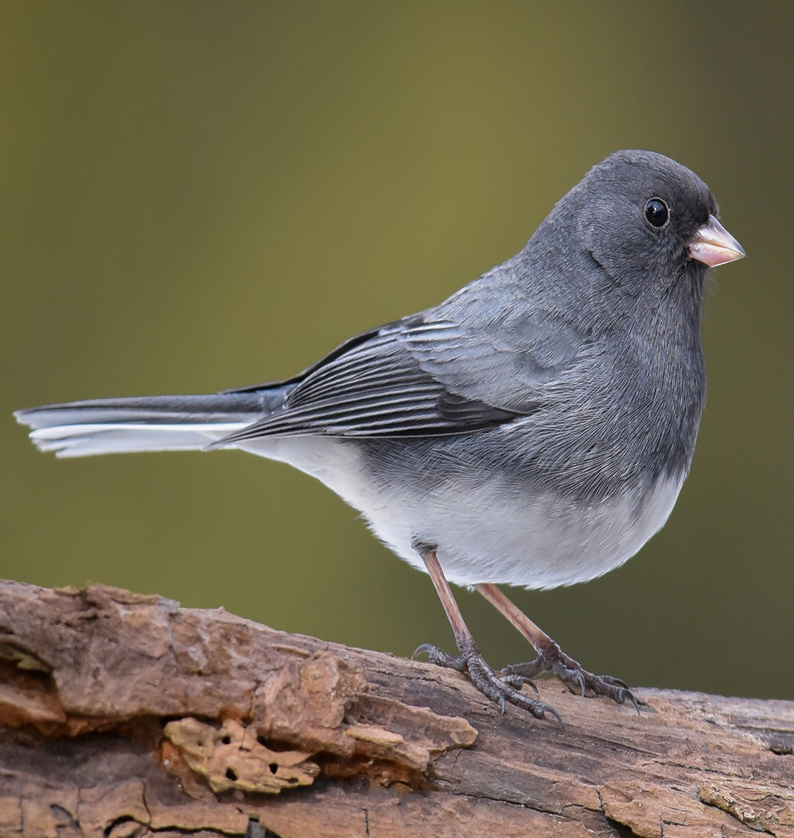
“That’s a Dark-eyed Junco,” grandpa replied. “It says here that they like to eat seeds, insects and berries.”

“Huh. His name is Junco?”

“Yes. If you were a bird, I’d call you a Blue-eyed Tobias.” Grandpa smiled.

Toby turned the page. “Why do you like birds, grandpa?”

“Birds are special creatures. They seem to be wherever we are, as if God wanted to make sure we notice them. They are free and at the same time totally dependent on God and His created order.

“And there are so many kinds of birds, Tobias.” Grandpa flipped through the pages. “They bring color and sound to our lives. Seeing them and hearing them is proof that nature is healthy. I try to spot a bird by its coloring and by its songs and calls.”

“Birds have songs?”

“They sure do. Male birds sing to attract female birds. They also sing to scare off other birds from their territory and to bond with mates and young’uns. You want to hear a Mourning Dove Song?”

“Yeah.”  

Grandpa took a deep breath, formed his mouth and went “coo-AH-oo coo-coo”. He waited and then again “coo-AH-oo coo-coo.”

“The Mourning Dove keeps repeating this song until a female is attracted. That’s how I met your grandmother.” Toby’s eyes lit up when he saw grandma smile.

“Bird experts can tell the species of a bird by just listening to its song. Each species has its own song.”

“What’s speecheese?”

“A species is a way to name animals that are alike and have babies like them. Let’s see,” he found the page. “It says here that the Dark-eyed Junco is a species of Junco, a group of small, grayish sparrows.”

“It also says that Male Dark-eyed Juncos sing a sweet, high-pitched trill that sounds similar to the songs of the Chipping Sparrow and Pine Warbler. And during the winter, Juncos come to backyard feeders for millet and bird seed. I saw one at my bird feeder this morning.”

Toby looked over at the kitchen. “Let’s see if your mother has something for you to eat.” Grandpa moved Toby to his feet, got up, and the two of them went into the kitchen.

Toby was given a yogurt by his mother. Eating it, he watched Grandpa put his finger into the cranberry sauce, taste it and pucker his lips. Then grandpa put his finger into the mashed sweet potatoes, tasted it and said “Yum!” And then he put his finger into the pumpkin pie mix, tasted it and said “mm-mmm.”

When he reached for the stuffing, Grandma, hands on her hips, said, “Shoo you two. Come back when we’re ready to eat, in about two hours.”

“Let’s go for a walk Toby,” Grandpa said. “Get dressed in warm clothes. We’re going birding.”

A voice in the next room said, “Dad, the weather man said that central Indiana is 30 degrees and cloudy.”

Before Toby left the kitchen his mother said, “Go make your bed first and then put on your corduroy pants and blue sweater and then comb your hair.”

Toby shot upstairs and came back down two minutes later. His mother looked him over and then had grandpa put on his winter coat, his gloves, and the knitted hat that grandma made for him.

Outside, grandpa went over to his car and took out a pair of binoculars. He showed Toby and said “Maybe we will see a cardinal today.”

As they walked down two blocks past houses, they saw no birds. But then Grandpa spotted a Mourning Dove on a roof. He handed Toby the binoculars after adjusting the focus. “Let’s wait here and listen.”

When the dove began its song, Toby was transfixed until the dove flew out of sight.

They walked to the end of the street and came to a T-intersection. On the other side of the crossroad was open farmland. Wind whistled through the field of corn stalk stumps. Grandpa tied the ear flaps of Toby’s knitted hat below his chin.

To their left and down the road about forty yards was a small group of trees and undergrowth. “Let’s head there,” Grandpa told Toby.

As they walked along on the farm side of the road, Toby found a corn cob. Holding the smooth kernelled end, Toby showed grandpa the half-eaten end.

Grandpa looked it over and said, “Probably some squirrel started eating it. Or may be a goose.”

As they neared the trees, grandpa stopped and brought the binoculars to his eyes. He then handed them to Toby. “What do you see in that tree?” Grandpa pointed.

Toby looked and said, “The birds keep moving so I can’t see them.”

“They might be getting ready for winter,” Grandpa replied. They’re probably in a hurry to get out of the wind and get things settled for winter.”

Then Grandpa spotted a falcon perched on top of a utility pole that was about thirty yards down the road. He adjusted the focus of the binoculars and handed them to Toby. “Look up there. Can you see that falcon, Tobias?” He pointed to the electric pole.

Toby looked and said, “That is a falcon?”

Grandpa looked again. “Yes. A falcon known as the American Kestrel. I can tell by dark gray head, the rust-colored back and tail, the white cheeks and throat and blue-black bill. It’s the smallest of falcons. Some call it a “Sparrow Hawk”.”

“They like open areas without dense cover. He’s sitting up there to view the whole area for food. He’s scanning for prey on the ground. He’ll sit and wait. He’ll only attack when he’s sure that he will succeed. When he has prey in sight, he will either catch it on the ground or in flight. 

“In the summer months he’ll hunt and eat dragonflies, cicadas, beetles, grasshoppers, butterflies and moths, scorpions, and spiders. He’ll hover and capture insects in the air.

“In winter weather, like right now, he’ll hunt small mammals like mice, voles, shrews, and bats. And he’ll hunt small birds . . . like that little sparrow that just flew into the field. He pointed to it.

Grandpa let Toby use the binoculars to observe the falcon. “Let’s see what happens,” he said. “I wonder if that falcon noticed that small bird.”

A moment later, the falcon swooped down, grabbed the bird with his claws, and flew back to his high perch.

“Did you see that grandpa?” Toby asked.

“I sure did. He’s going back to his perch to eat it. Take another look.”

“Do birds eat other birds, grandpa?”

“They sure do. Birds of prey, like this falcon, have evolved to catch diverse things like insects, small mammals, and birds.

“I just remembered something. When I was a boy, Tobias, my father took me birding. One day he said “Frankie, there are so many birds but you never see dead birds. He told me that dead birds vanish because predators and scavengers come along and eat them. That’s why most bird bodies disappear. Creatures like foxes, badgers, ants, and birds of prey scavenge dead birds. The value of the bird’s life is returned to nature. Nature, he said, provides food for itself. Live birds and dead birds contribute to the lifecycle of our ecosystem.”

The sun never came out. The icy wind blowing across the open field made Toby’s nose and cheeks red. Grandpa said it was time for them to head back.

When they arrived home and opened the door, they were met with a rush of warm air, laughter, and savory smells. They saw the dining room table was set and the food ready to come out.

“Go wash your hands you two,” mom said. “We are ready to eat.”

When everyone had found their place at the table, mom asked grandpa to pray the blessing.

We give you thanks, most gracious God, for the beauty of
earth and sky and sea; for the richness of mountains, plains,
and rivers; for the songs of birds and the loveliness of flowers.
We praise you for these good gifts, and pray that we may
safeguard them for our posterity. Grant that we may continue
to grow in our grateful enjoyment of your abundant creation.
And now we ask Your blessing on this food we are about to eat. Amen.

A loud “AMEN!” followed.

Toby’s mother then handed Toby’s father a knife and said, “Carve the bird.” Toby gulped when he heard that. He looked over at grandpa.

“Tom turkey has been well fed. Now, he feeds us. Tobias, do you know which bird is at every meal?”

“No.”

“A swallow. Do you know which birds go to church a lot?

“No.”

“Birds of prey. What do you call a mean turkey?”

“I dunno.”

“A jerk-ey. What do you give a sick bird?”

“I dunno.”

“Tweetment! Did you hear about the owl with no friends?

“No.”

“He was owl by himself.”

The adults groaned. Toby wanted more.

After plates were filled and people were busy eating, Uncle Kevin asked Toby to tell everyone what he saw birding with grandpa.

“I saw a falcon. It came down and got a bird and ate it,” Toby exclaimed.

“Ewwwww!” Tilly didn’t like the thought.

Toby forked a piece a turkey, held it up, looked at his sister and said “Now I am a falcon!” and gobbled it down.

©Lena Johnson, Kingdom Venturers, 2024, All Rights Reserved

~~~~~

American Kestrel
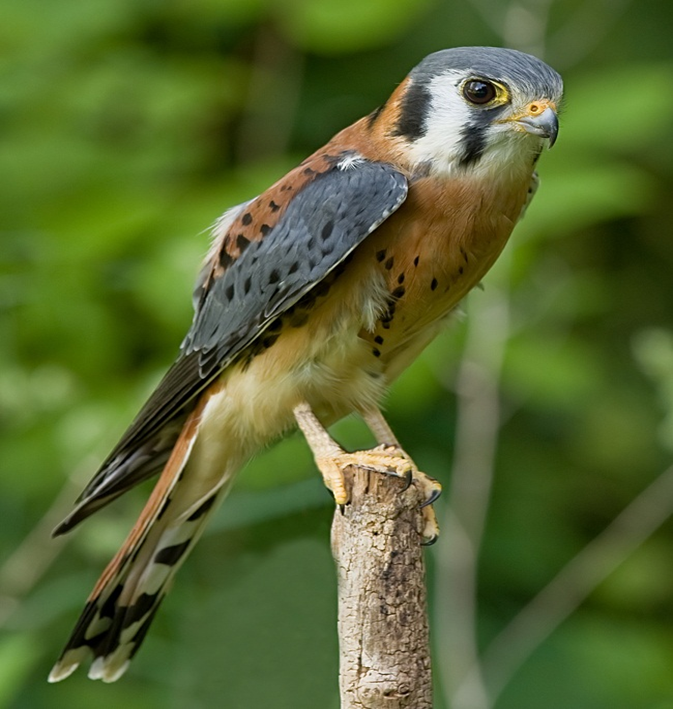
American Kestral – Call of the Male

Dark-eyed Junco

Dark-Eyed Junco

Dark-eyed Junco Sounds, All About Birds, Cornell Lab of Ornithology

Bird Sounds and Songs of the Dark-eyed Junco | The Old Farmer’s Almanac

Dark-eyed Junco | Audubon Field Guide

Easter Morning Central Indiana Bird Song

Easter Morning Central Indiana Bird Song

~~~~~

American Kestrel – Photo by John Mariani
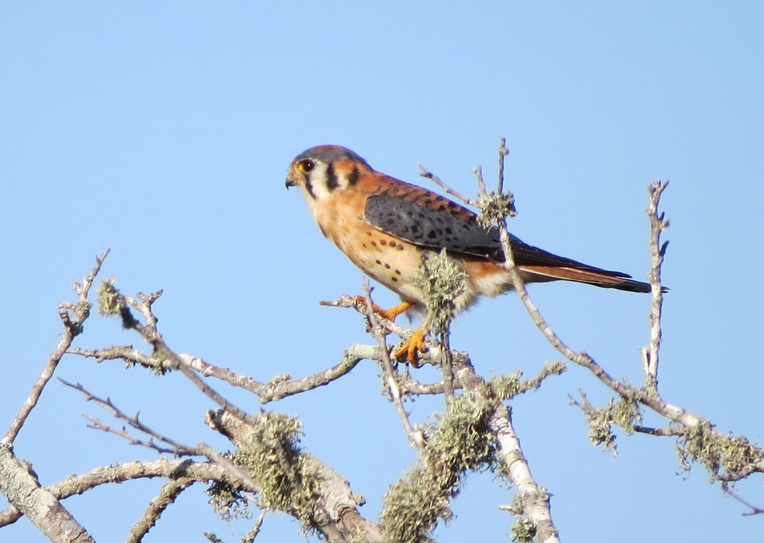
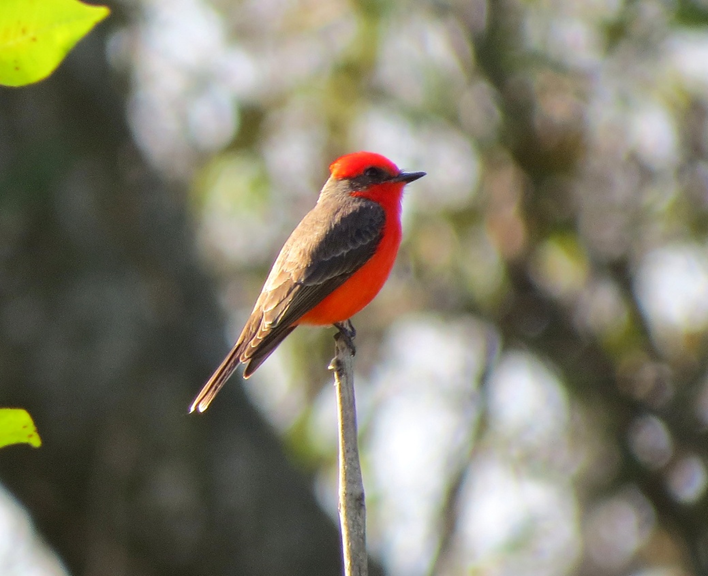
Vermilion Flycatcher at Cattail Marsh in Beaumont, TX – Photo by John Mariani
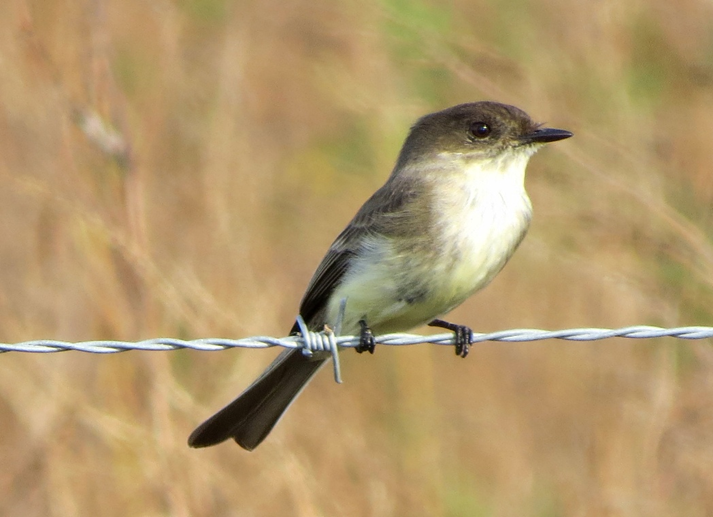
Eastern Phoebe at Anahuac National Wildlife Refuge, TX – Photo by John Mariani
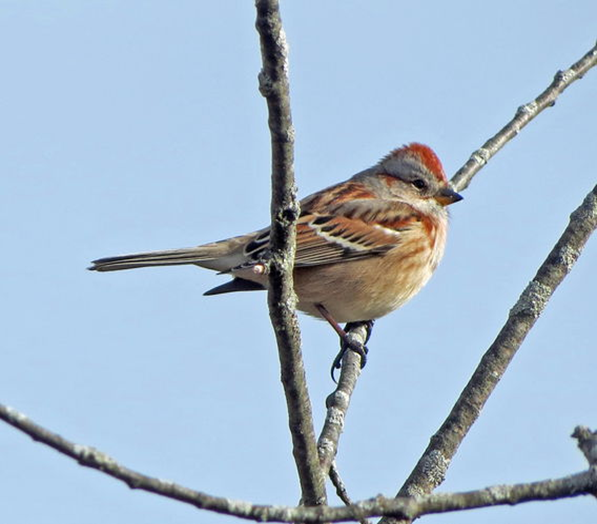
American Tree Sparrow, Northwest Ohio – Photo by American_Phoenix
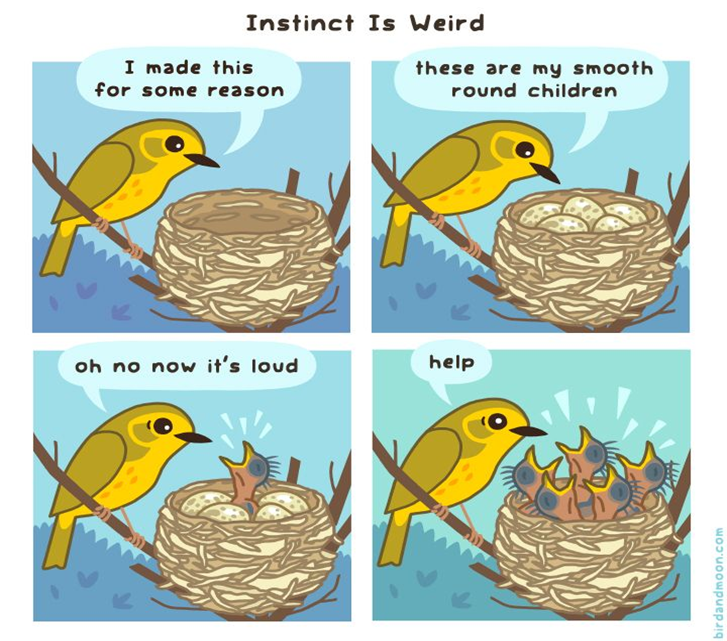
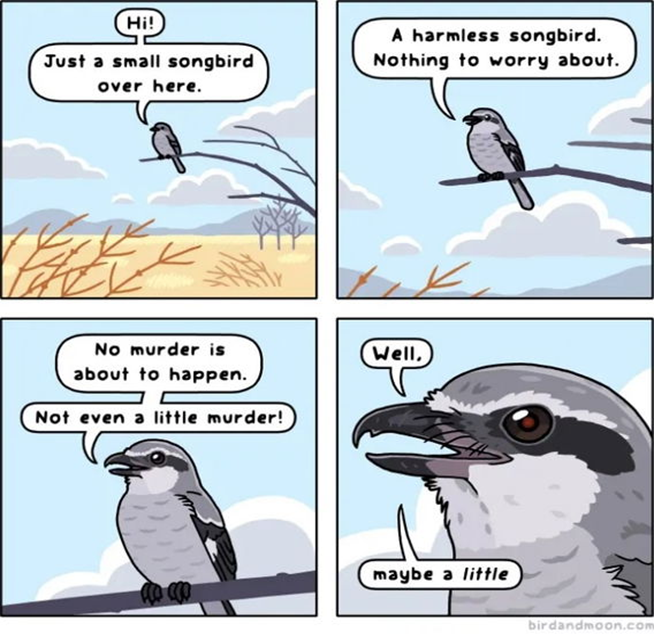
The quirky nature humor of  https://rosemarymosco.com/

Northern Shrike, new cartoon by Rosemary Mosco.
~~~~~

The presence of birds in our lives brings good health. Indeed research shows that the richer and more various the birds in a neighborhood, the higher people’s satisfaction with life. Birdsong is the natural sound linked most strongly to reducing stress and promoting restoration, particularly when it is more diverse and people are prompted to notice it. Birds bring joy.

Five curious health benefits of dark midwinter, according to science | The Independent

~~~~~
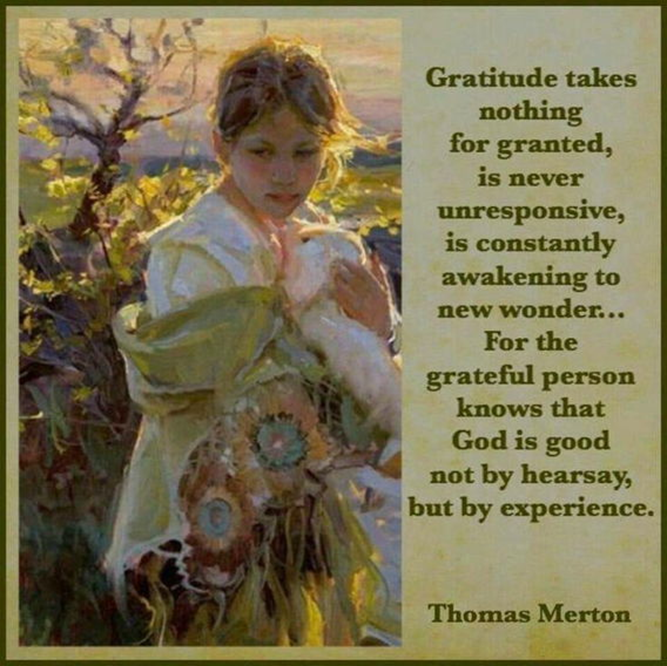
Imagination sees a parallel universe.
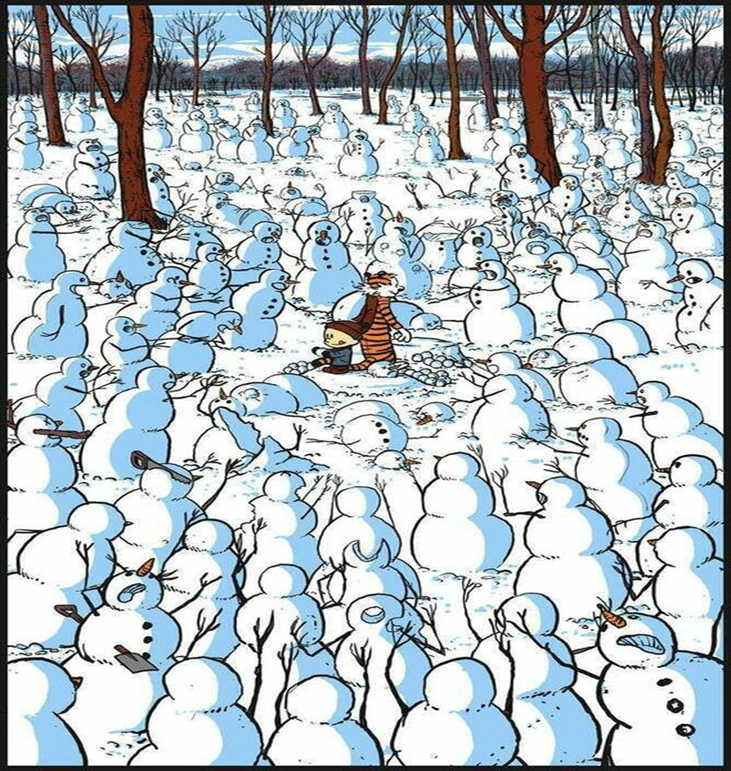
Step Outside

“Late last month the Boundary Waters was named a dark sky sanctuary by the International Dark Sky Association, a nonprofit that works around the world to reduce light pollution and protect night skies. It’s one of just 13 such designations in the world

To qualify, a place has to have exceptional starry nights, and a “nocturnal environment that is protected for its scientific, natural or education value, its cultural heritage and/or public enjoyment.

 . . . We’re looking at a sky that people looked at thousands of years ago. And to me it feels like preserving a really special heritage. It’s part of the fabric of the Boundary Waters.”

Boundary Waters designated a dark sky sanctuary

Many years before this recent designation of “dark sky sanctuary”, I took in the “exceptional starry nights”. I did this during my two-week canoe trips out of Ely, MN into the Boundary Waters Canoe Area Wilderness.

The trips were about camping out in a secluded wilderness with close friends. And for me at least, it was about getting out of town and experiencing a different reality. My parents were not campers.

Born and raised in the city of Chicago and later moving to the suburbs, life was lived under manmade illumination.

I ate, played, did homework – did everything – by the light of incandescent, fluorescent or thungsten-halogen lamps. At night I walked or rode my bike under the mango-yellow light of street lamps.

In the Boundary Waters Wilderness there was none of that. When the campfire smoldered out, or when I wandered off from the camp, the firmament provided the only light.

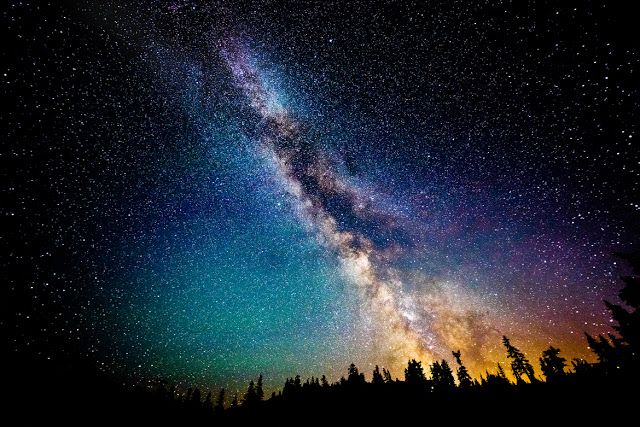
Within that night sky sanctuary, absent of “light pollution”, billions of stars were sending out light. I learned later that the starlight had come to me from the distant past.

The night sky sanctuary is a time machine. Things had been set in motion long before I came around. I needed to step outside my frame of reference to understand this.

****

Within the eyewitness testimony recorded in Mark’s gospel, there is an account not recorded in the other three gospels. We read of a blind man receiving his sight in two stages. The account is situated right after the account of the disciples not “seeing” – not understanding – what is right in from of them.

In Mark chapter 8 vs. 12-21, we find the disciples concerned about not having brought enough bread for their boat crossing. Their concern and confusion began when they did not understand Jesus’ warning.

“Beware!” said Jesus sternly to them, “watch out for leaven – the Pharisees’ leaven, and Herod’s leaven too!”

(One could say that “the leaven of the Pharisees” leads to a rising sense of self-righteousness. And, the “leaven” of Herod leads to a rising sense of self-importance. Both leavens lead to an eclipsing of the light of day.)

Jesus then sternly replies to the disciples and their mumbling about not bringing bread.

“Don’t you get it? Don’t you understand? Have your hearts gone hard? Can’t you see with your two good eyes? Can’t you hear with your two good ears?”

Jesus goes on to point out the obvious to his disciples: they were directly involved in feeding the five thousand and the four thousand. Each time they started with only a few loaves and ended up with baskets full of leftovers. How could they not understand and take in what took place in their presence?

Then comes the account of the man without two good eyes. Mark 8: 22-26:

They arrived at Bethsaida. A blind man was brought to Jesus, and they begged him to touch him. He took his hand, led him outside the village, and put spittle on his eyes. Then he laid hands on him and asked, “Can you see anything?”

“I can see people,” said the man, peering around, “but they look like trees walking about.”

Then Jesus laid his hands on him once more. This time he looked hard, and his sight came back: he could see everything clearly. Jesus sent him back home.

Don’t even go into the village, he said.

The blind man recovers partial sight after Jesus touches him. He gains full sight after Jesus touches him again. The man looks really, really hard all around. Everything then came into view for the once-blind man. He can now “walk perfectly on all his paths.”

Though I’ve read this passage many times before, what stood out this time – Jesus leading the blind man out of the village before restoring his sight. Did the village represent an established framework of thinking – a frame of reference – that needed to be reorientated by Jesus?

Was the variation in setting, from where the man had long groped for a path to outside the village, meant to be an object lesson for the disciples? They also groped for understanding. Did they need to step outside the village understanding of things?

Was the relocation outside the village for the healing a means to clear away obstacles from the man’s path? To straighten out paths for the blind man and the understanding of the disciples?

The disciples and Mark’s readers would no doubt understand the meaning within this account. Seeing and not seeing correlate to understanding and not understanding in words of the prophet Isaiah (Is. 6: 9-10). And both states correlate with the path one walks. This is heard in the words of the Damascus Document found near the Qumran community.

The “Teacher” exhorts the reader to “Listen to me and I shall open your eyes so that you can see and understand the deeds of God . . . so that you can walk perfectly on all his paths” (CD2:14-16)

The gospel of Mark opens with quotes from prophets Isaiah (40:3) and Malachi (3:1) in reference to John the Baptist:

“Look! I am sending my messenger ahead of me; he will clear the way for you! A shout goes up in the desert: Make way for the Lord! Clear a straight path for him!”

In the verses that follow we read of relocation, redirection and the clearing away of impediments in order to walk perfectly.

Mark writes of John the Baptist appearing in the desert announcing a baptism of repentance. A relocation outside the village.

Then we read that “the spirt pushed him (Jesus) out into the desert.” A redirection from villages. (Imagine the night sky over the desert – a dark sky sanctuary declaring the glory of God.)

The blind man, once groping for a path, stepped outside his frame of reference with Jesus. There, he was healed and saw what the disciples had yet come to see– that Jesus is the Frame of Reference. All else is darkness, murkiness, groping, and . . . mumbling.

****

2017 Biologos Conference, Astronomer and President of BioLogos Deborah Haarsma: Christ and the Cosmos

Gulpture in the Park


“… Abstraction came about through the ever-narrowing focus of aesthetic gaze.

The post-modern offshoots of abstract art may seem to be engaged in the same artistic project; but the appearance is, it seems to me, deceptive. Post-modern abstraction is really construction, in which abstract elements are combined ab initio, and without reference to the natural forms and perceptions which might have endowed them with meaning…. Their purpose is to glorify the sovereign role of the artist, who shifts and arranges them as would a child playing with colored blocks…The result has been a sudden narrowing of the artistic intention, and a launching of post-modern art towards bombast and doodling by turns.”

-Roger Scruton, An Intelligent Persons’ Guide to Modern Culture, Chapter Eight

~~~

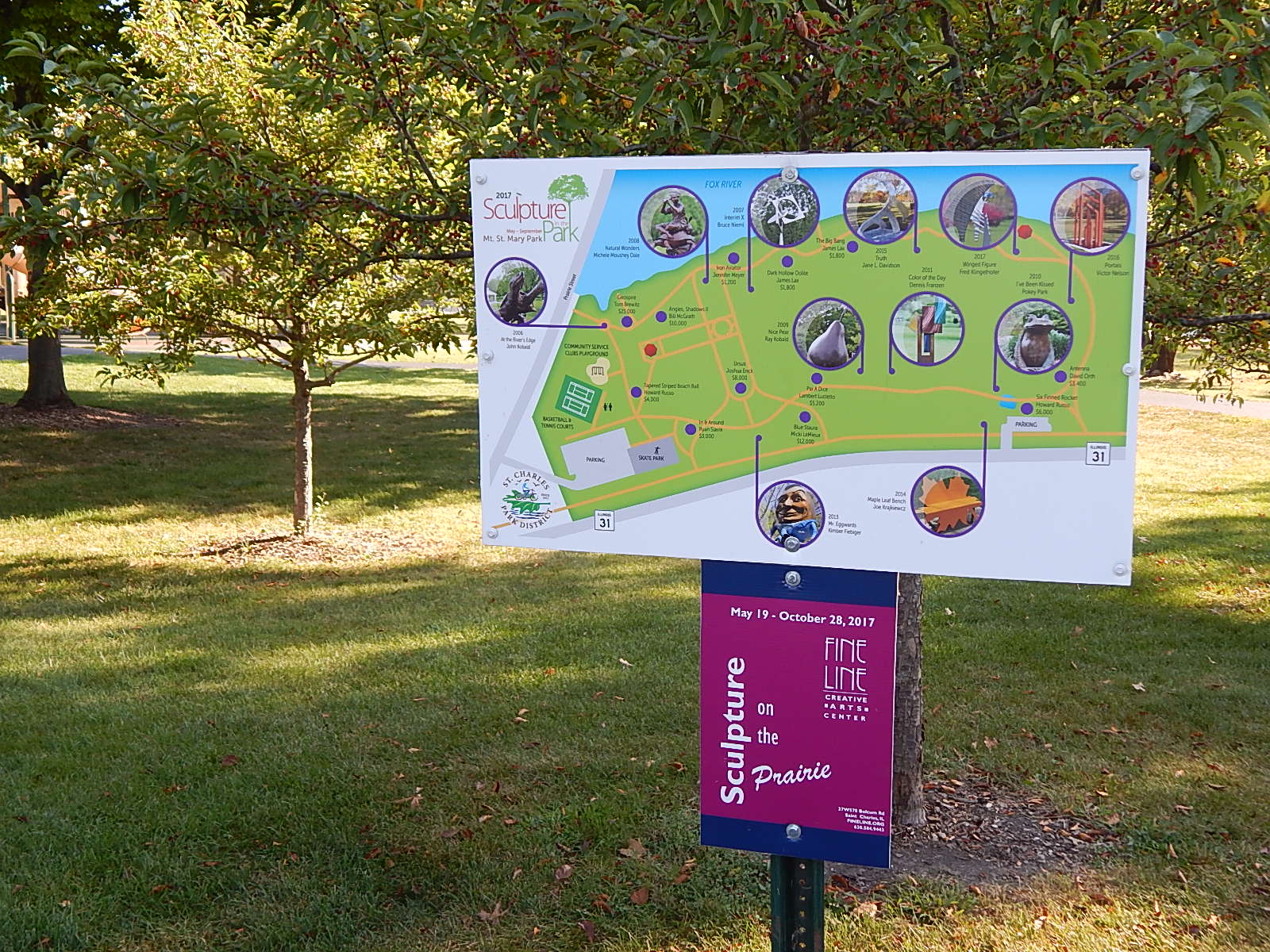
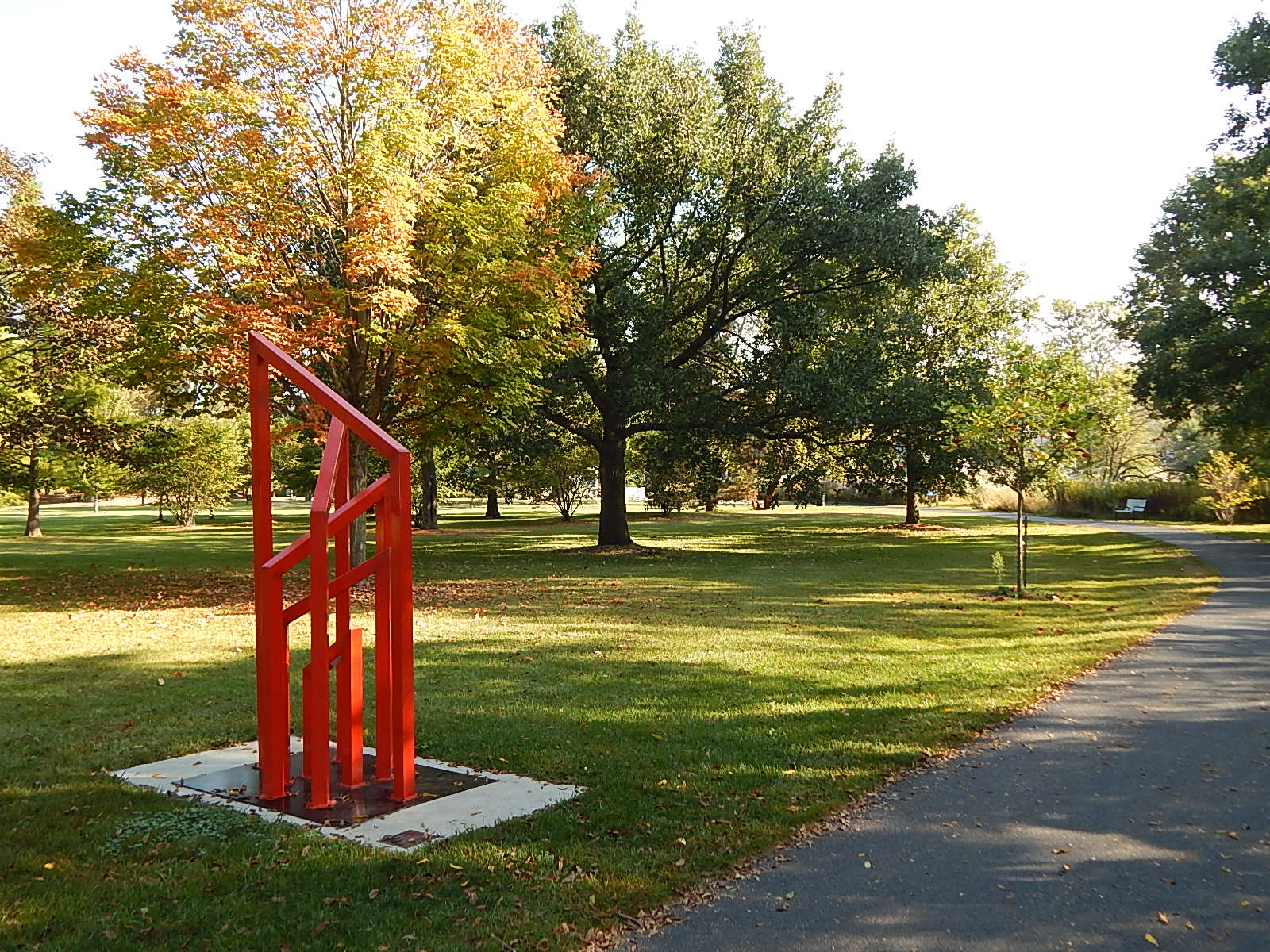
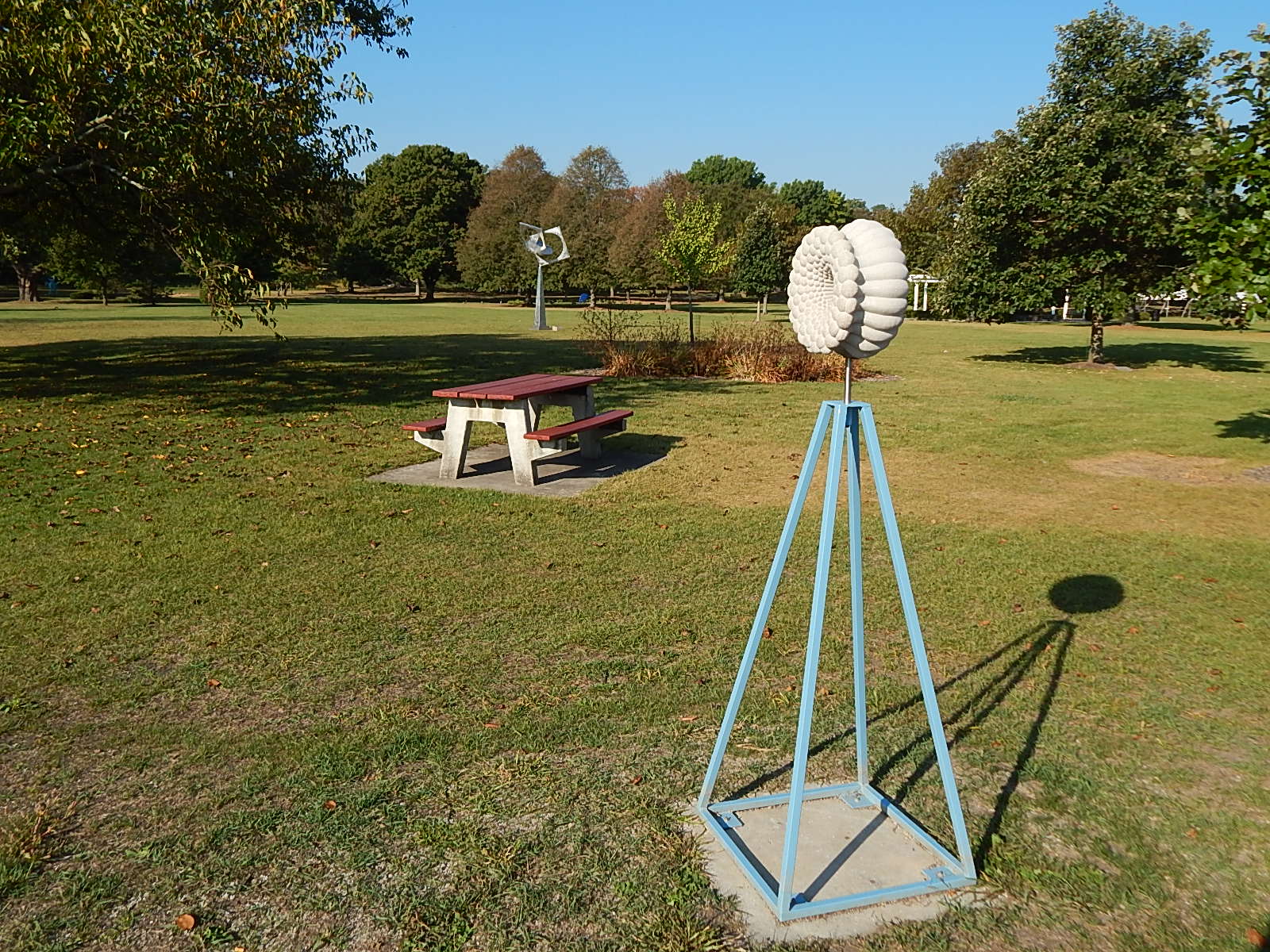
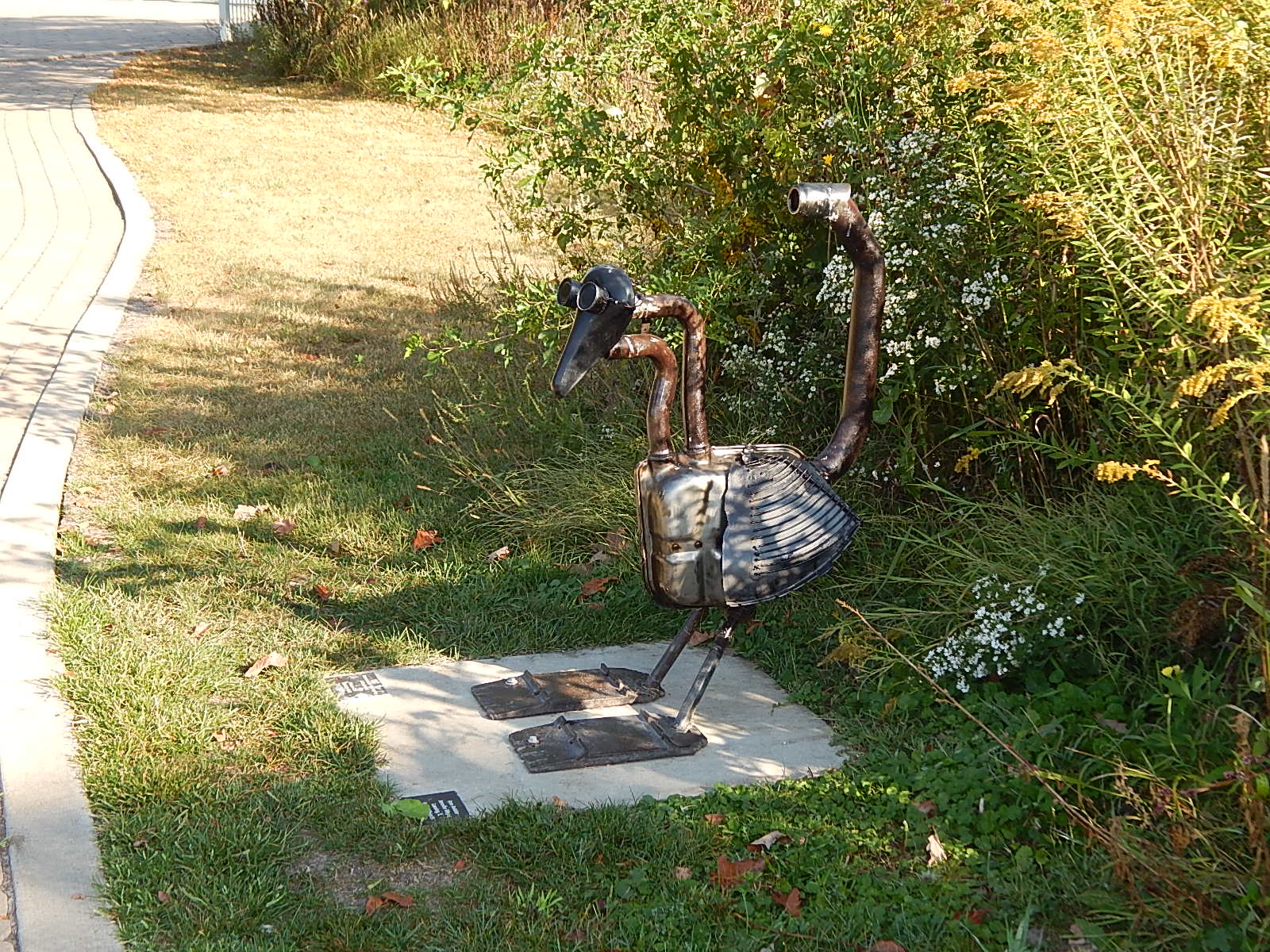
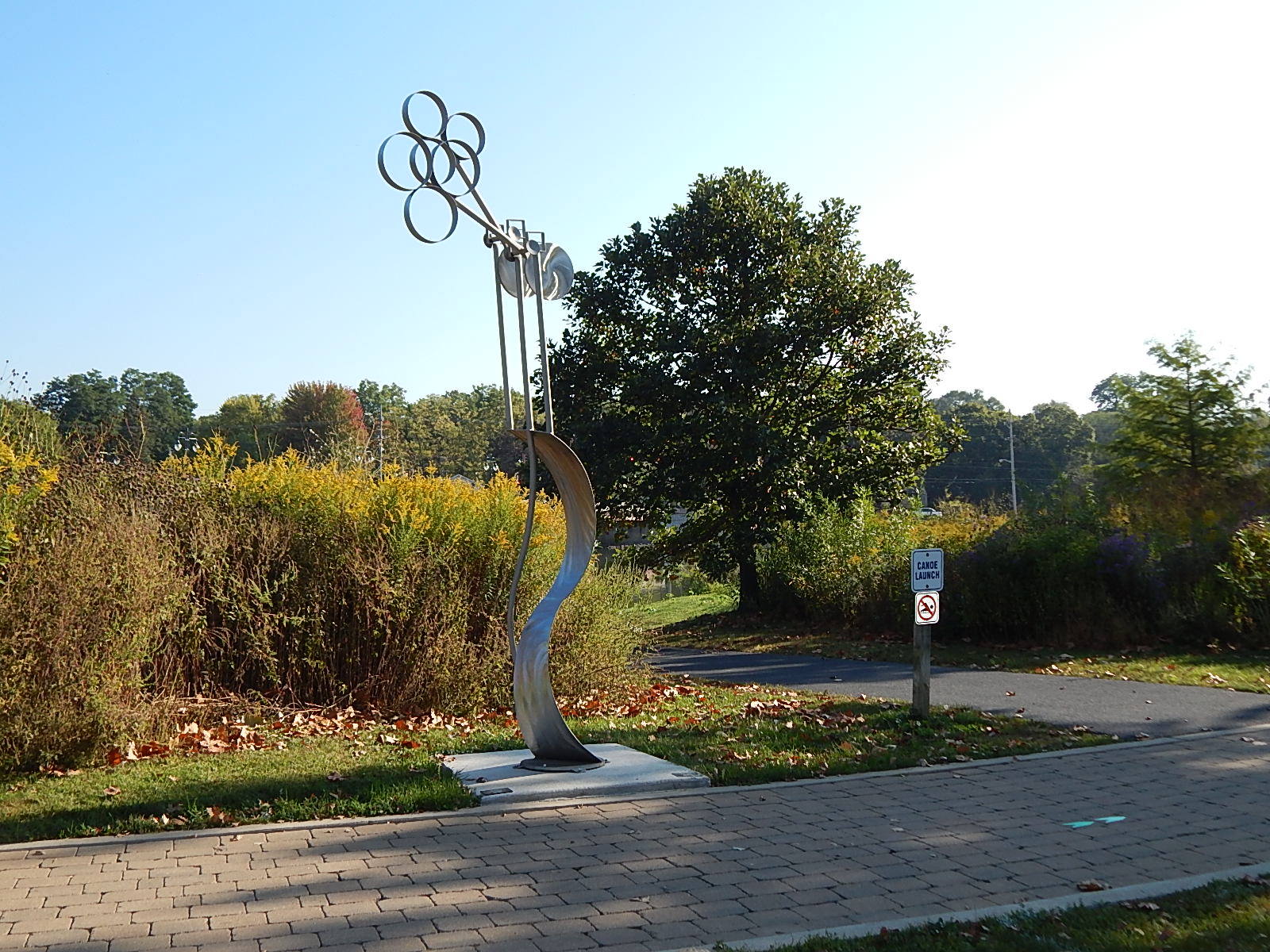
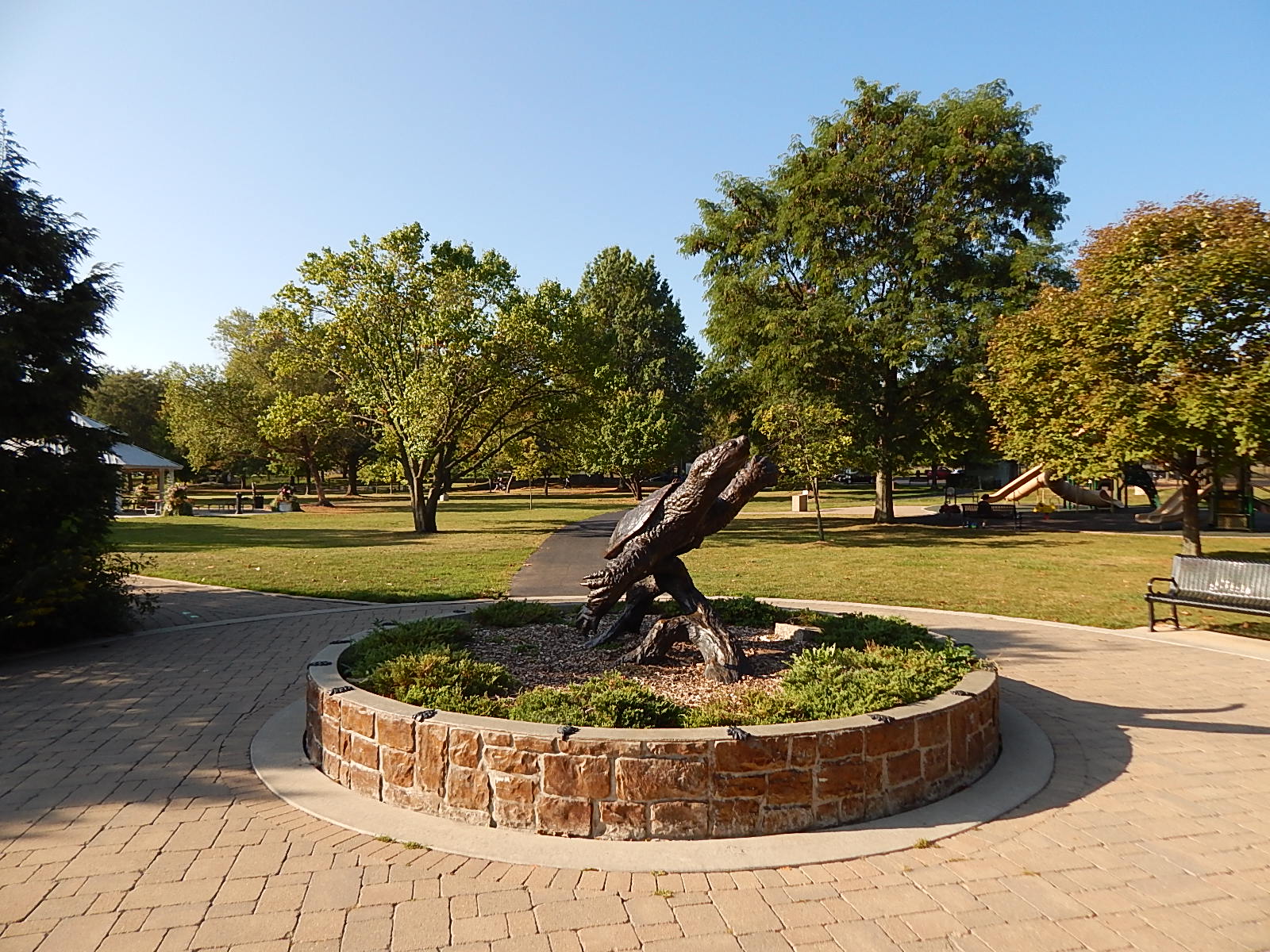
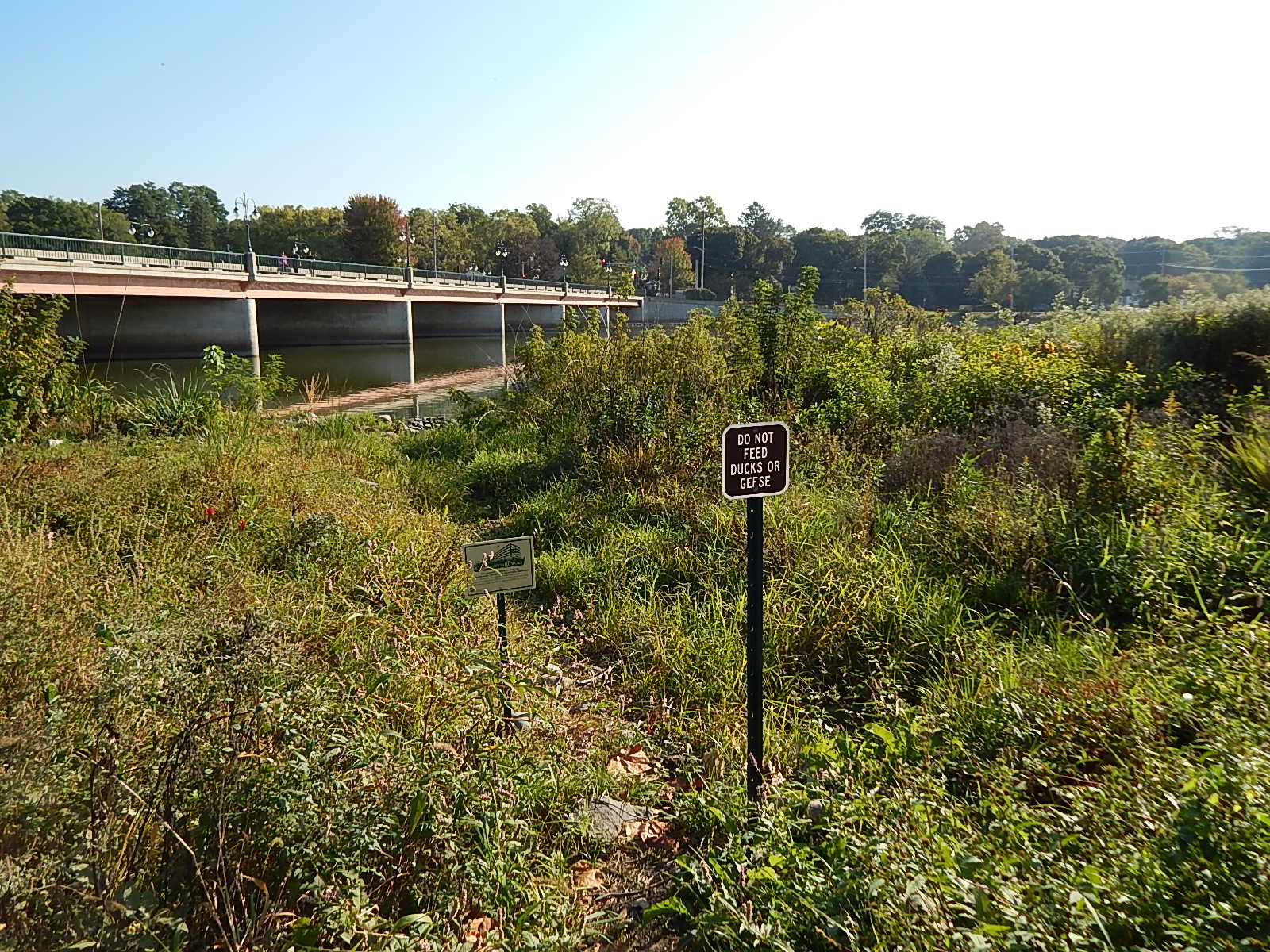
Over many months now, during my morning contemplative walks in a local park, I have encountered objets d’déclin. Mother Earth needed tattoos to be in vogue.

A gaggle of local apparatchiks of post-modern persuasion decided at some point that nature’s exhilarating beauty-a body of narrative to be read over and to reflect on-should be forever ‘inked’ with the flippant constructionism of various ‘artists’.

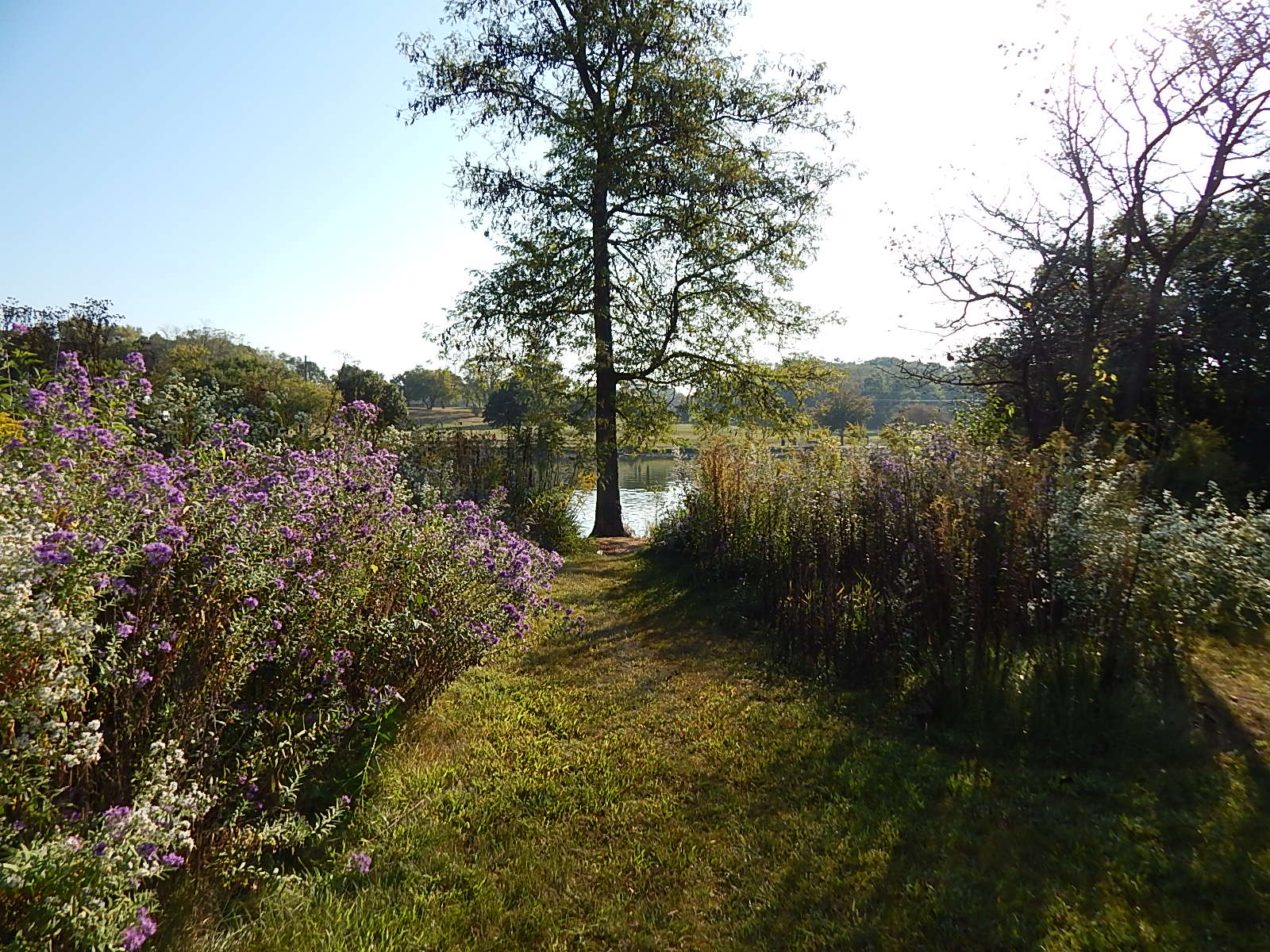
The local approvers and inciters of inhuman aesthetics have ‘carnivalized’ a local nature preserve, a park and a paradise infused with wildflowers along a river, where, along such “springs in the valleys” (Psalm 104) “The birds of the sky nest by the waters; they sing among the branches.” No matter, though. By so doing, the self-appointed culture-mongers can connote their relevance and earn self-aggrandizement brownie points with the community.

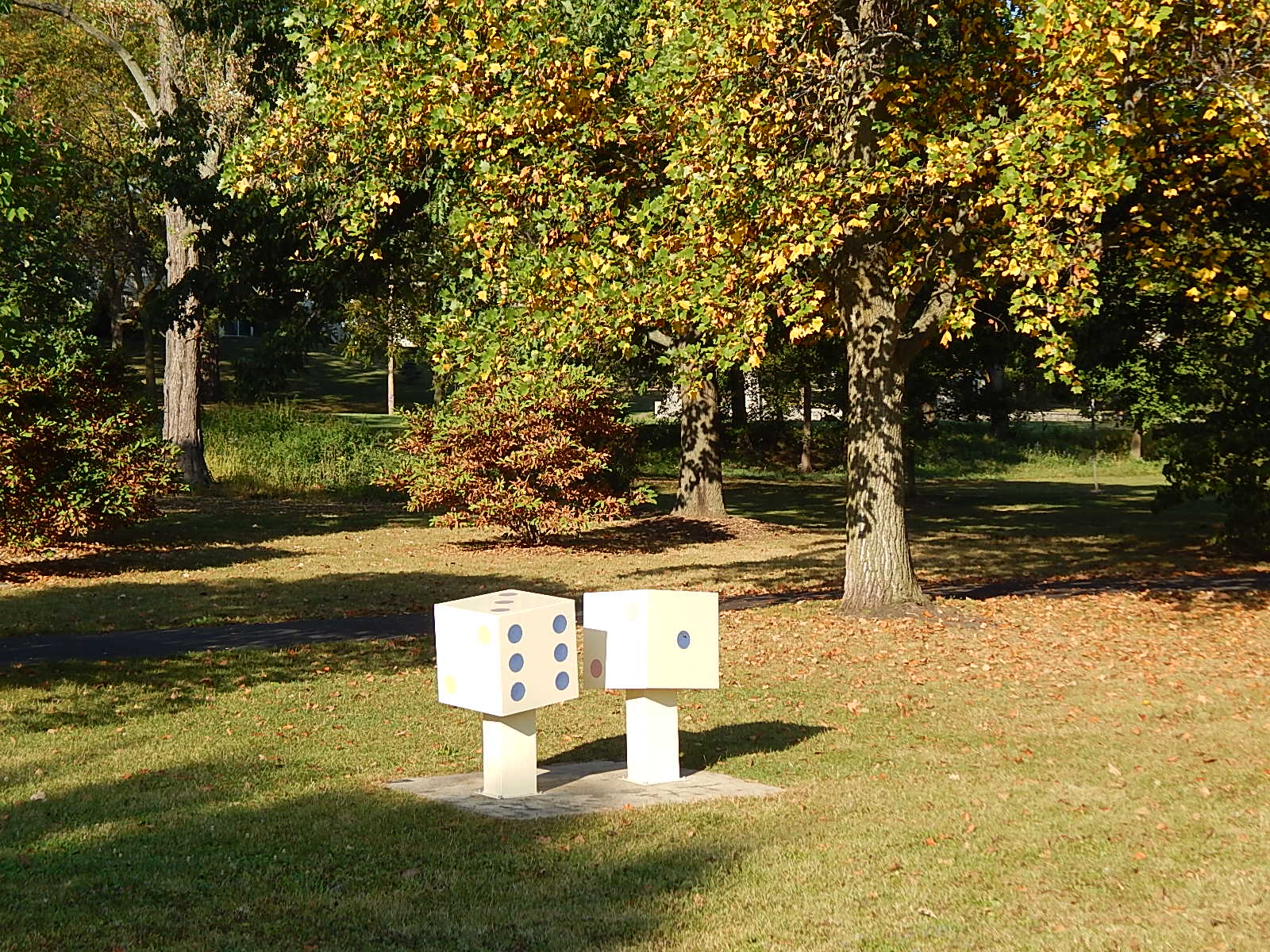
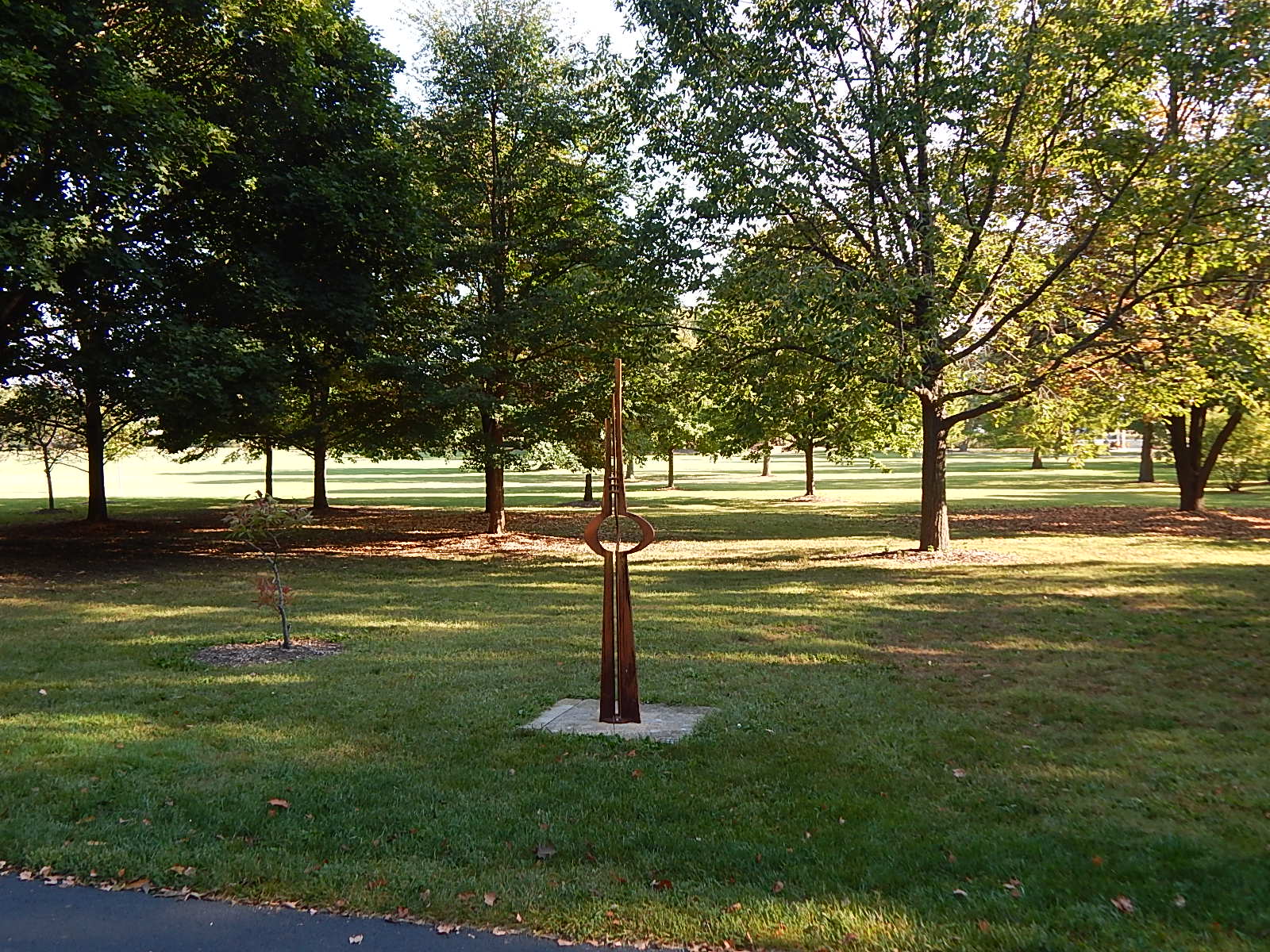
Pictures at an Exhibition:

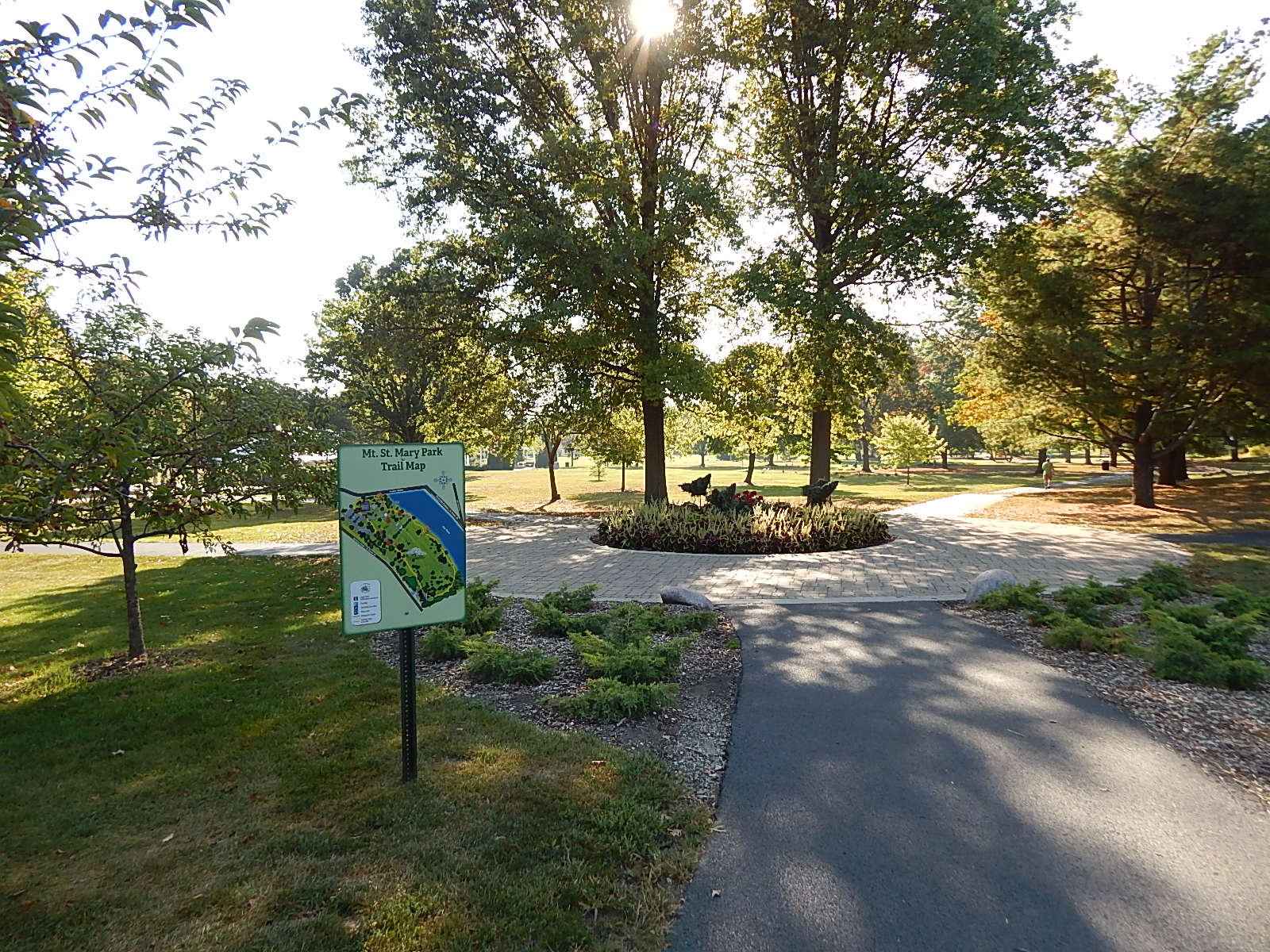
Entrance to St. Mary’s Park

PM Art vs. Tree Planted in Memoriam

Nature’s Way

Nature Sculpts


Nature Revealed in Sculpture

And, “Do Not Feed Post-Modern Artists”

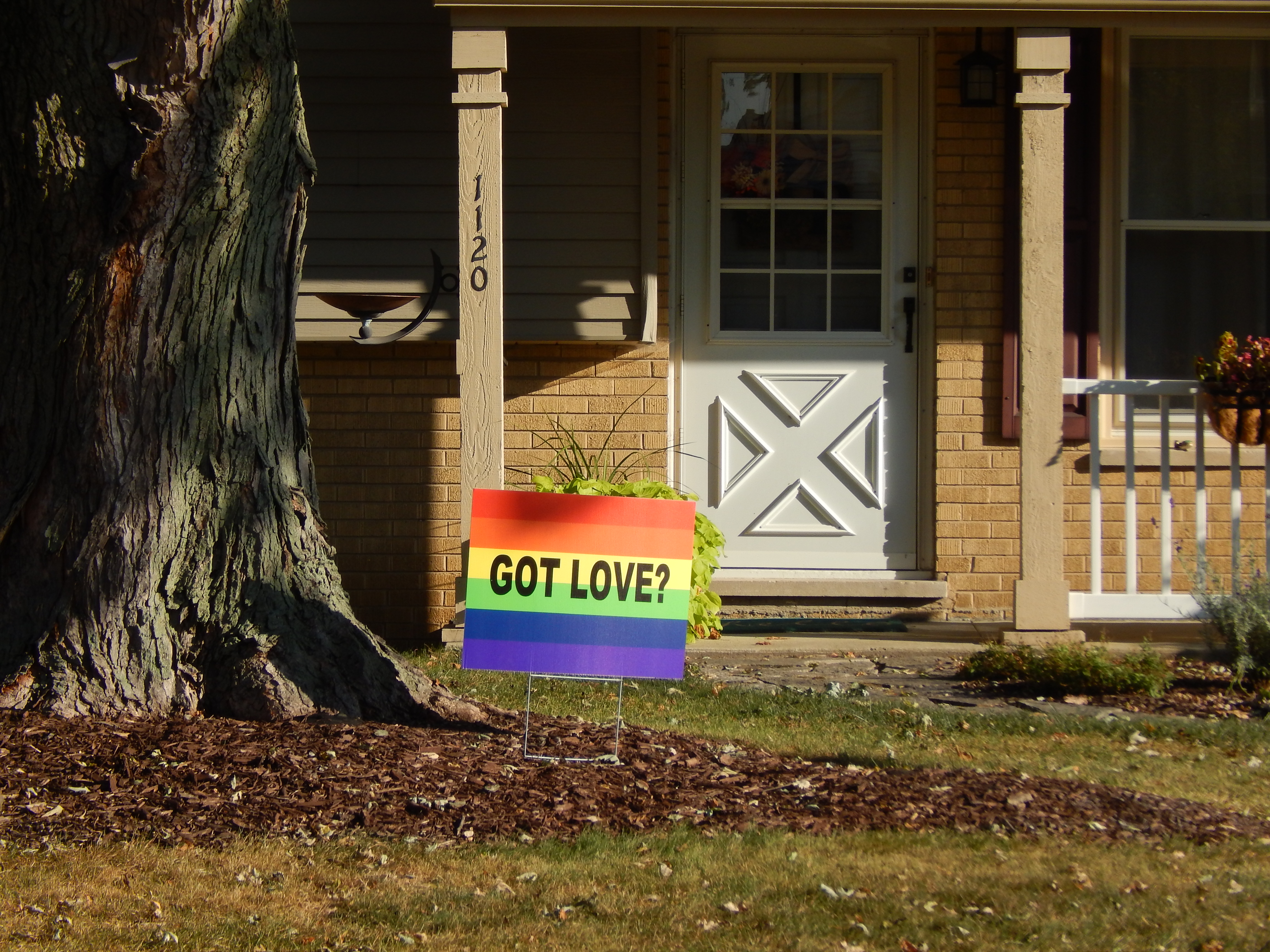
The last photo, a #LGBT advert, fits the theme: the ‘carnivalizing’ of nature and nature’s compliment, Scripture. More about this in the next post.

Horicon Marsh Montage – Part 2 of 2


Into the semi-wild…


Vacation

noun, often attributive va·ca·tion \vā-ˈkā-shən, və-\ a respite or a time of respite from something

Examples of vacation in a sentence:

A single woman, de-spoused and with grown kids out of the house and in need of respite from the ordinary, finds a spot on a map and a range of time where she could see more of the observable universe. She called this space-time continuum a vacation.


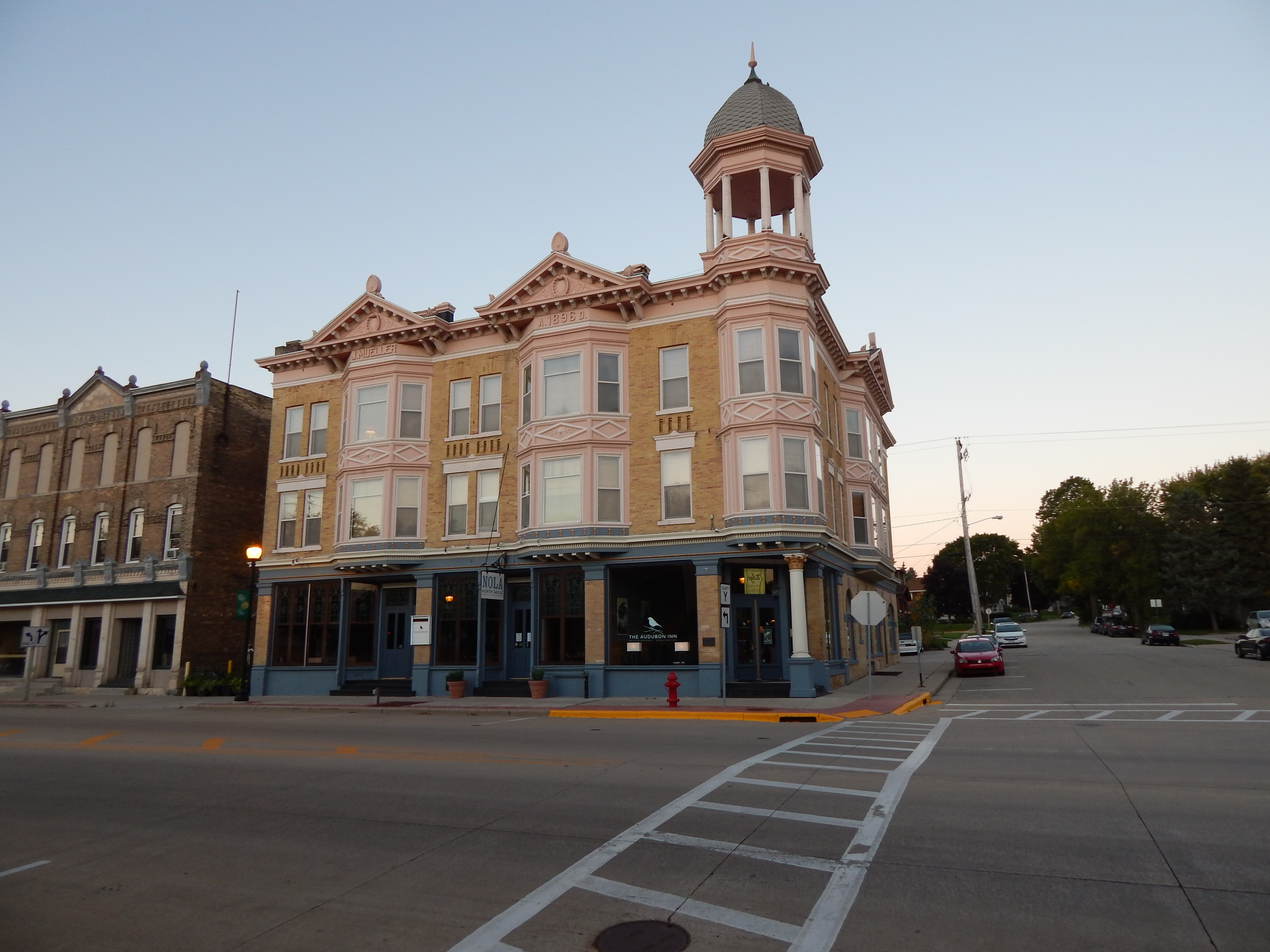
audubon-inn-from-street-ann-johnson-kingdom-venturers

Small Town Inn Mayville WI ©Ann Johnson Kingdom Venturers


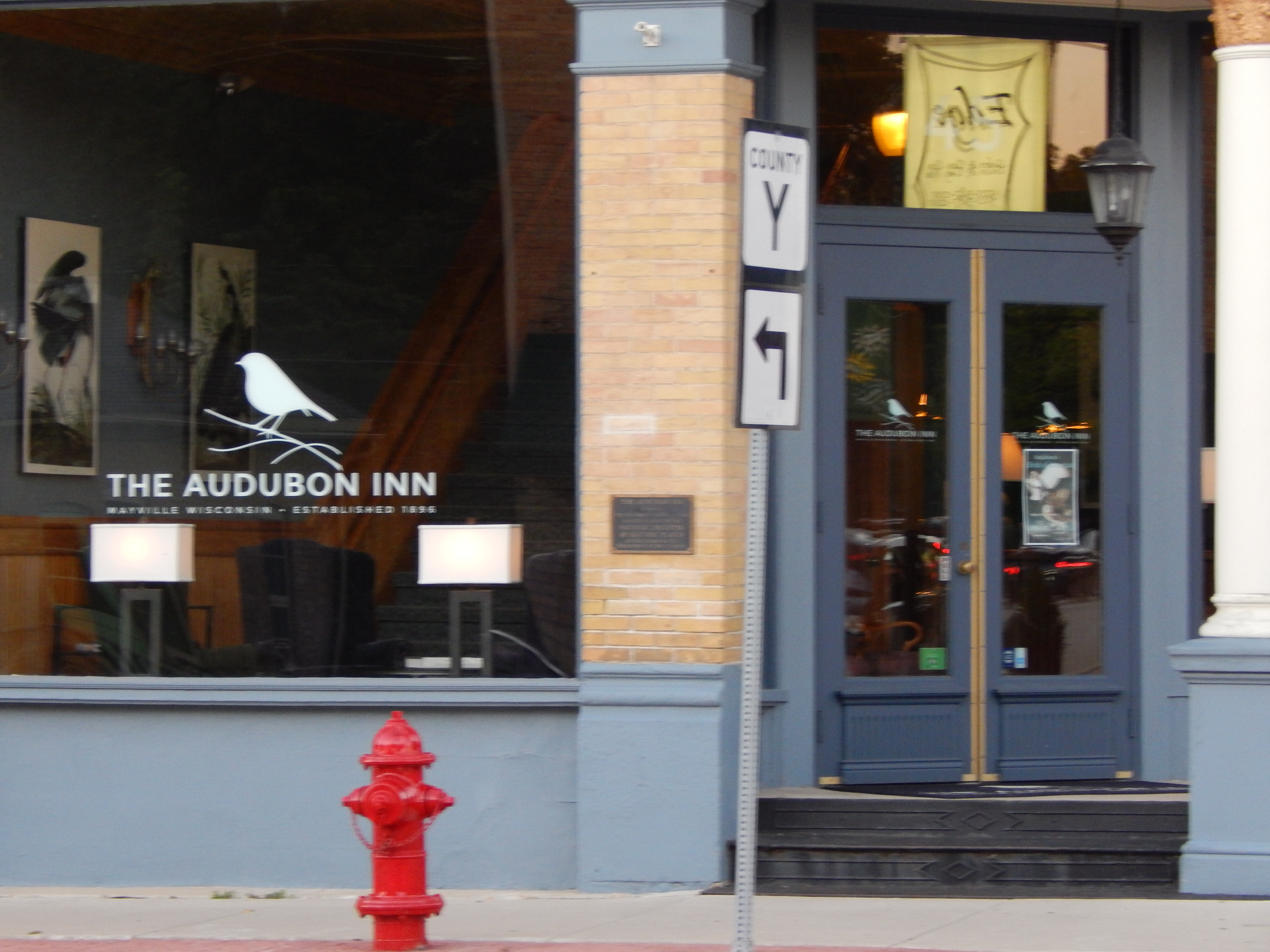
inn-entrance-ann-johnson-kingdom-venturers

Entrance ©Ann Johnson Kingdom Venturers

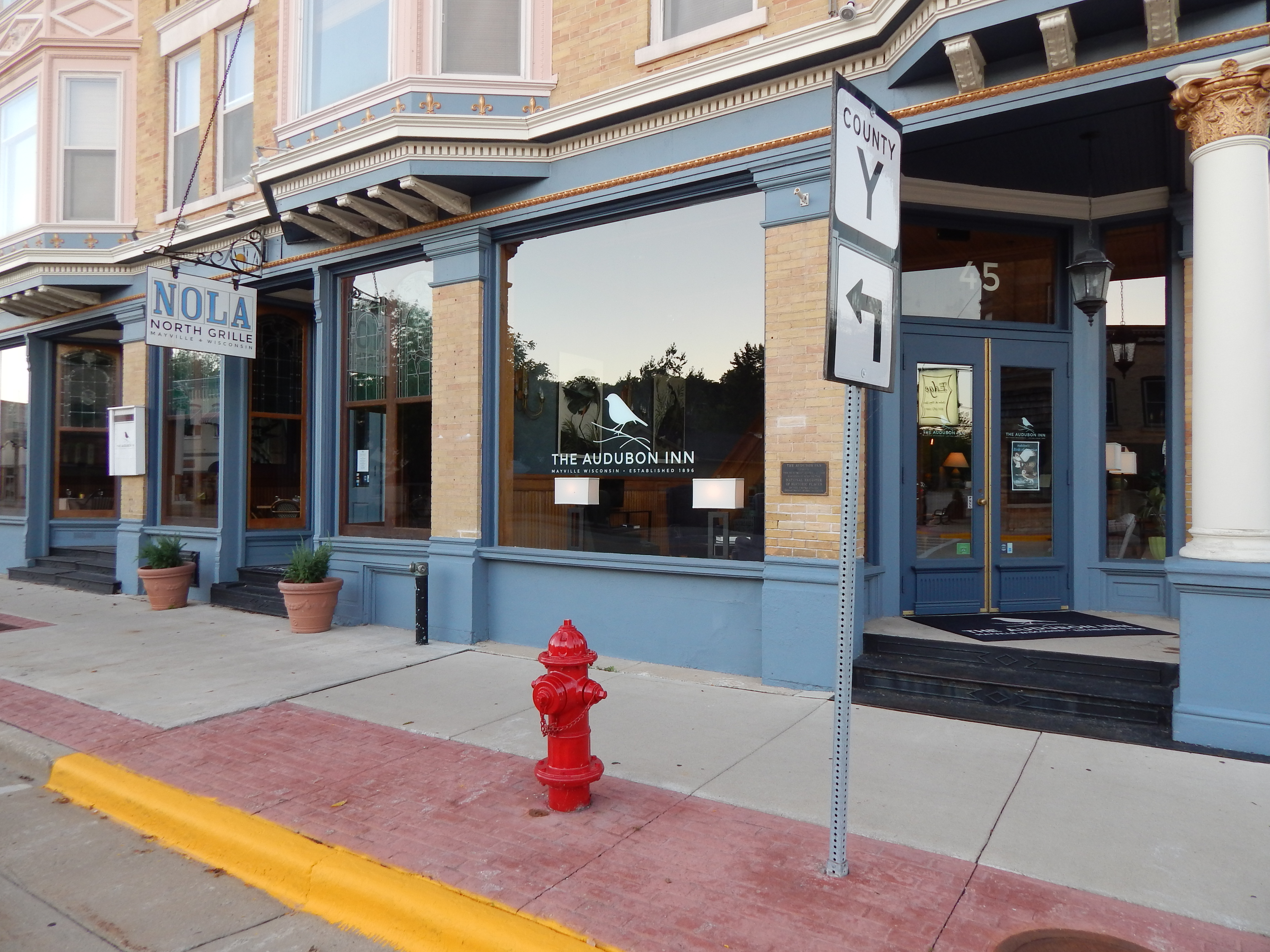
nola-restaurant-ann-johnson-kingdom-venturers

NOLA Restaurant ©Ann Johnson Kingdom Venturers

audubon-inn-lobby-ann-johnson-kingdom-venturers

Audubon Inn Lobby ©Ann Johnson Kingdom Venturers


a-writer-sleeps-in-ann-johnson-kingdom-venturers

Sleeping in ©Ann Johnson Kingdom Venturers


Related Posts:

Horicon Marsh Montage – Monday Morning

For the Beauty of…Horicon Marsh

Horicon Marsh and the Landowner

Tuesday Morning at the Audubon

County Road TW

Backstreet Café, Monday, 5:00 am

elle-est-photographe-ann-johnson-kingdom-venturers

Elle est photographe ©Ann Johnson Kingdom Venturers

For the Beauty of…Horicon Marsh


For the beauty of the earth,

For the beauty of the skies,

For the Love which from our birth

Over and around us lies:

Christ, our God, to Thee we raise

This our Sacrifice of Praise.


Original text from 1864 of Folliott S. Pierpoint’s hymn For the Beauty of the Earth

When I go to be with the Lord I want this Eucharistic hymn, my favorite hymn, sung at my passing. I want to raise a sacrifice of praise and thanksgiving to the King of Heaven and earth.

There is much to give thanks for…

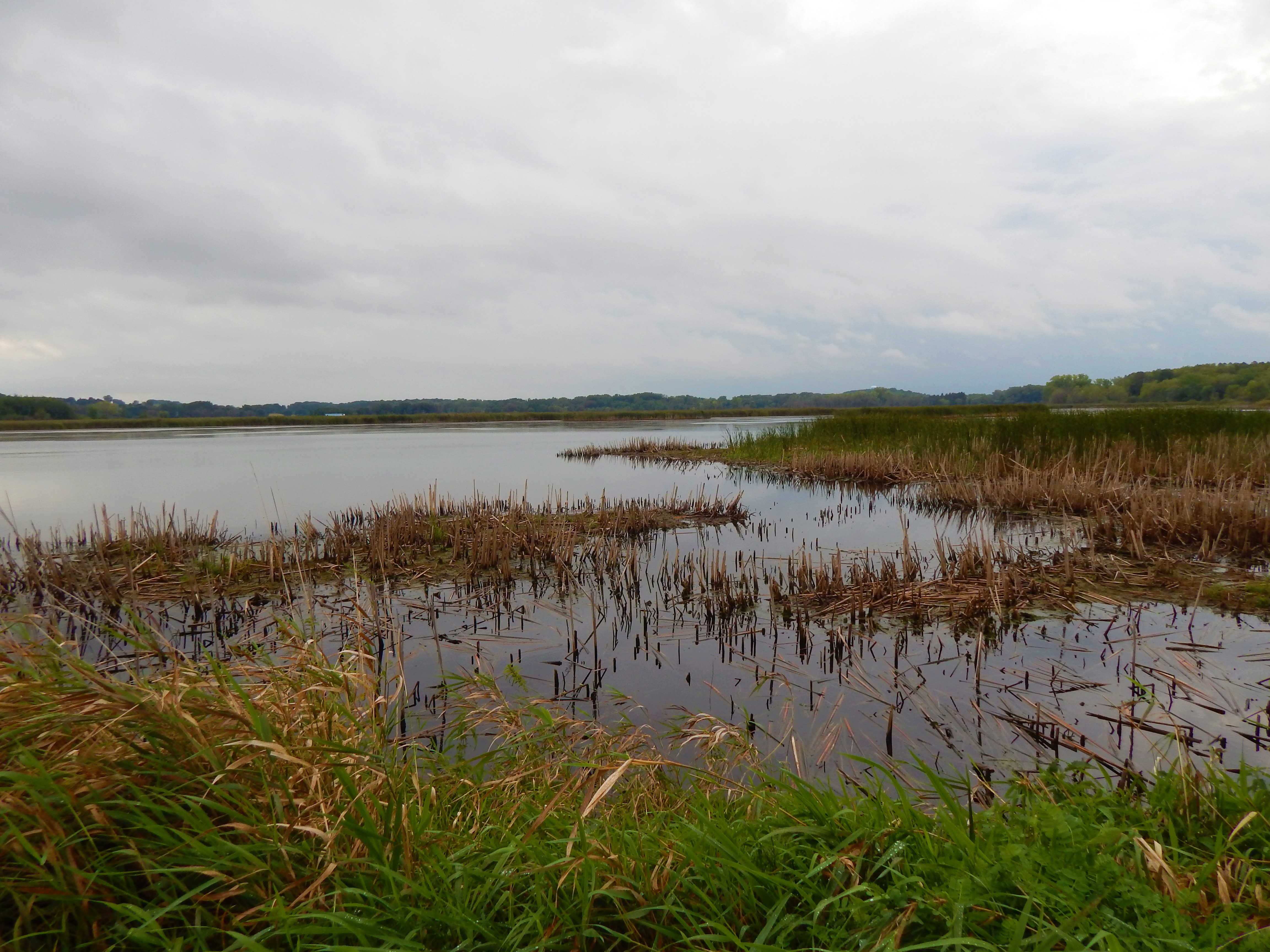
Horicon Marsh 7:30 AM ©Ann Johnson Kingdom Venturers

Horicon Marsh 7:30 AM
©Ann Johnson Kingdom Venturers

Horicon Marsh mid-morning ©Ann Johnson Kingdom Venturers

Horicon Marsh mid-morning
©Ann Johnson Kingdom Venturers

Horicon Marsh facing SW ©Ann Johnson Kingdom Venturers

Horicon Marsh facing SW
©Ann Johnson Kingdom Venturers

Horicon Marsh - photosynthetic algae ©Ann Johnson Kingdom Venturers

Horicon Marsh – photosynthetic algae
©Ann Johnson Kingdom Venturers

Horicon Marsh hiking trail ©Ann Johnson Kingdom Venturers

Horicon Marsh hiking trail
©Ann Johnson Kingdom Venturers

~~~

For the Beauty of the Earth – John Rutter

https://youtu.be/Uk6P6RDBvuo

Horicon Marsh and the Landowner


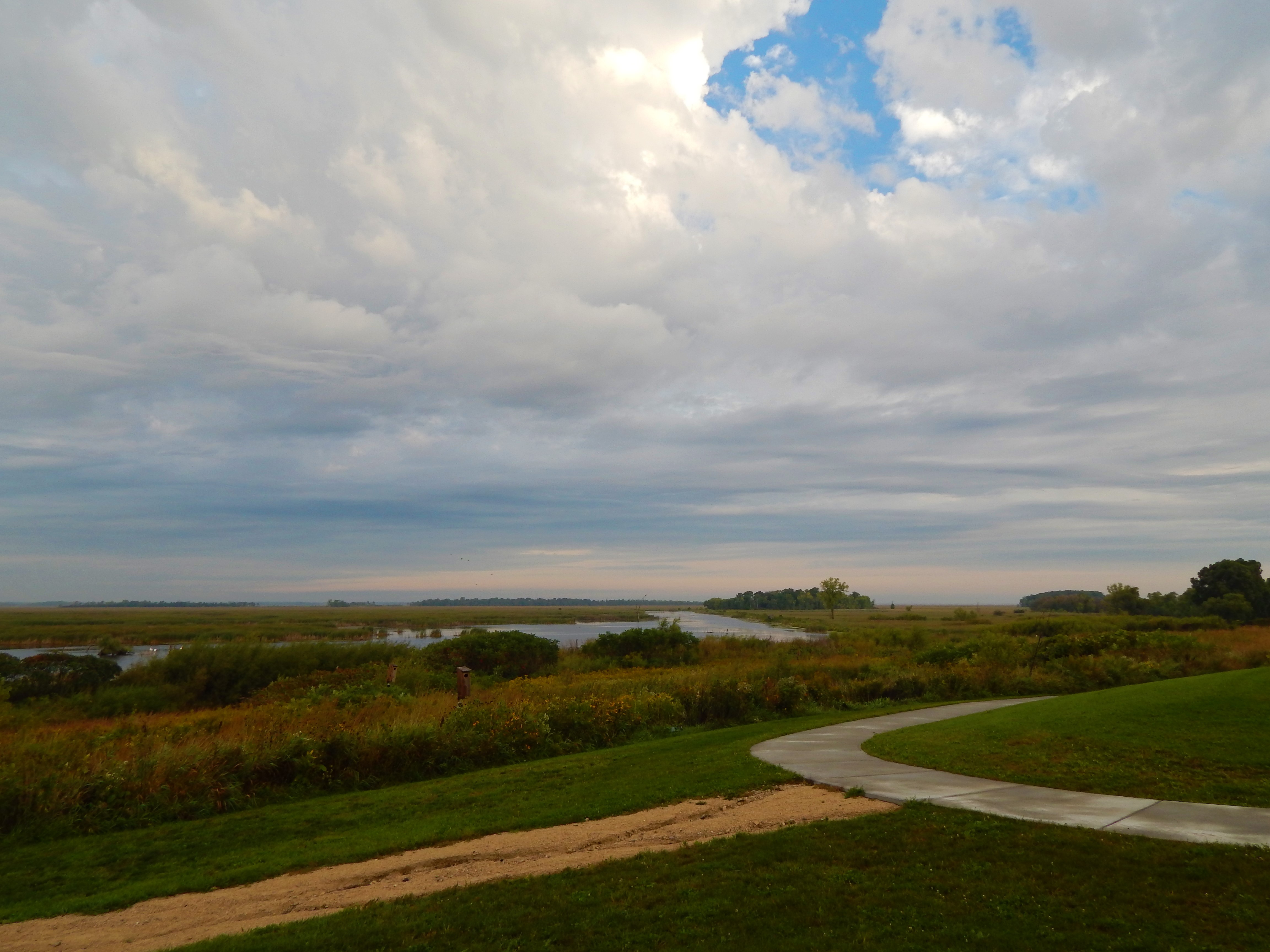
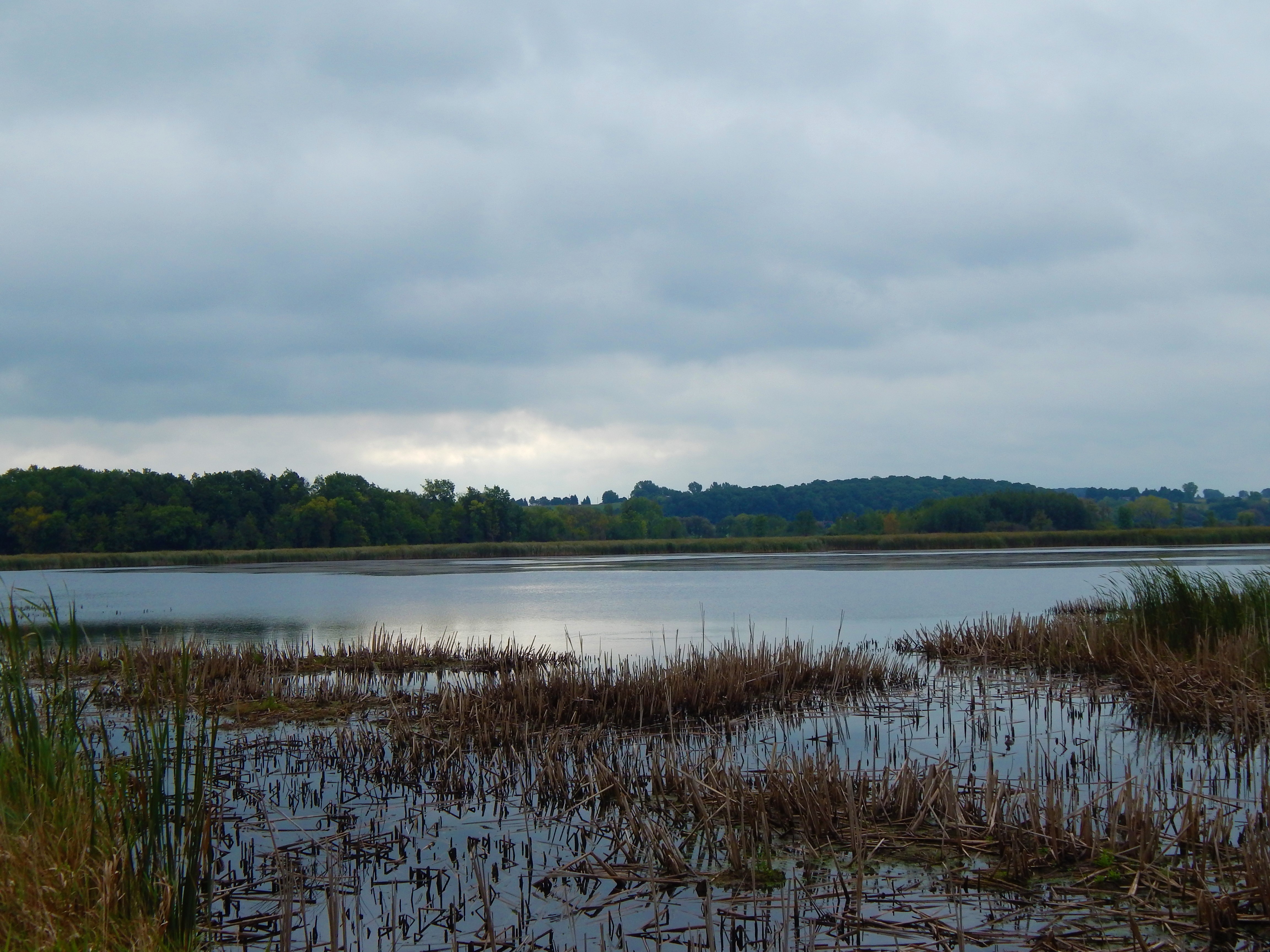
Walking around on resurrection ground, what did I find? Horicon Marsh aka Horicon National Wildlife Refuge in Wisconsin.

Now about the Landowner: In previous posts I have noted as have others that The Kingdom of God is here and now. Jesus inaugurated his Kingdom on earth when he walked this earth. His resurrection signified among many wonders that His creation would be reborn, restored to its original glory. The Landowner, King Jesus, delights in His creation. He is also delighted when Kingdom caretakers are delighted with the work of His hands. And we, like David, find this out first hand.

It is in the parable of The Landowner (Matthew 20) that we learn that the Landowner honors all those who want to be a part of what he is doing – and no matter how late in the day. It is this Kingdom equality with its reordering – the first shall be last and the last first – which overturns the individual’s power struggle to be more equal than others.

~~~

Now, not only did I find Horicon Marsh on a map one day (I love maps) but when I arrived at the Marsh I found the Kingdom of God flourishing in a wildlife refuge. At once I imagined that when Jesus returns such a place would no longer need refuge status. Such a place would then exist alongside man without signage and “protection.” The Kingdom of God is creation’s refuge. When the King returns he will make sure of it.
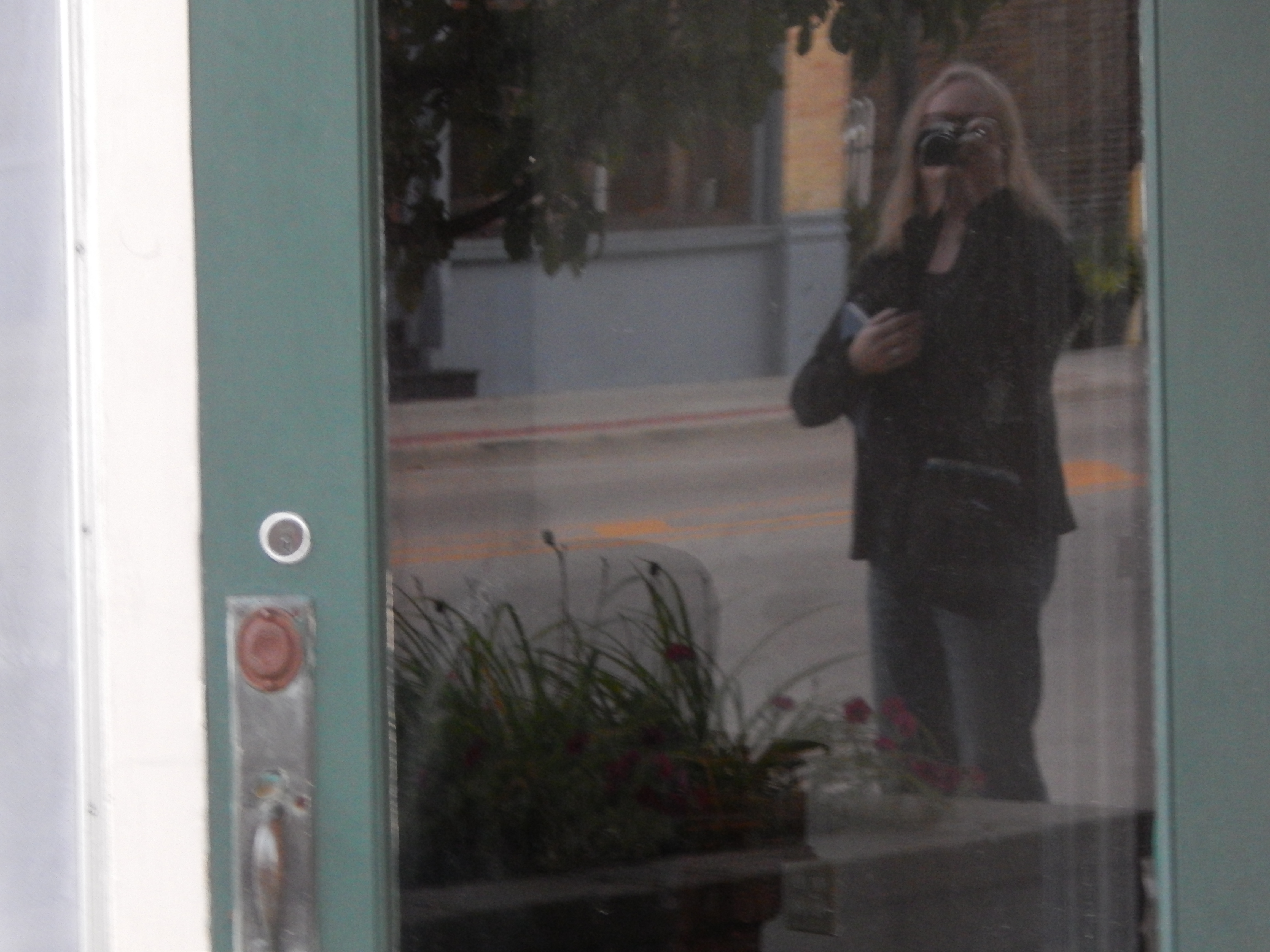
~~~

Delight, for me, has a component of awe, of the gobsmakcked. Consider that roughly 4.6 billion years ago God spoke the universe into being.  Since then the evolved creation with it given potentiality has been thriving with creatures both great and small.

~~~

The many photos and movies taken during my trip to the “King’s” Marsh will be presented over several posts.  I shot many vistas as I was awestruck by the acres of marsh grass and the horizon that “joins” the expanse of heaven and the expanse of earth.  I saw colors and shades in nature that would make any watercolorist zealous to paint.

You will see creatures:  the matte-black prehistoric-looking Double-crested Cormorant and the American White Pelican along with varieties of birds darting, swooping and floating on thermals. The short movies will show the marsh in motion. Note: The wind across the open marsh often made the sound recording muffled. Oh well, next time I’ll bring some high tech sound equipment and some wading boots!

Behold the Kingdom of God. Behold the good.

Horicon Marsh south end looking south, near WI RT 28 ©Ann Johnson Kingdom Venturers

Horicon Marsh south end looking south, near WI RT 28
©Ann Johnson Kingdom Venturers

Horicon Marsh south end looking north, near WI RT 28 ©Ann Johnson Kingdom Venturers

Horicon Marsh south end looking north, near WI RT 28
©Ann Johnson Kingdom Venturers

American White Pelican ©Ann Johnson Kingdom Venturers

American White Pelican
©Ann Johnson Kingdom Venturers


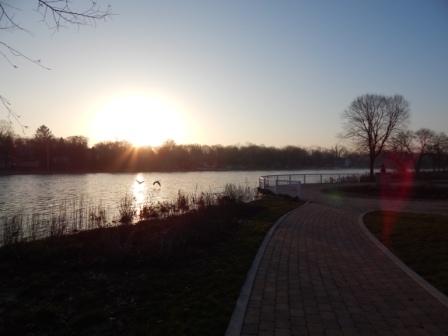
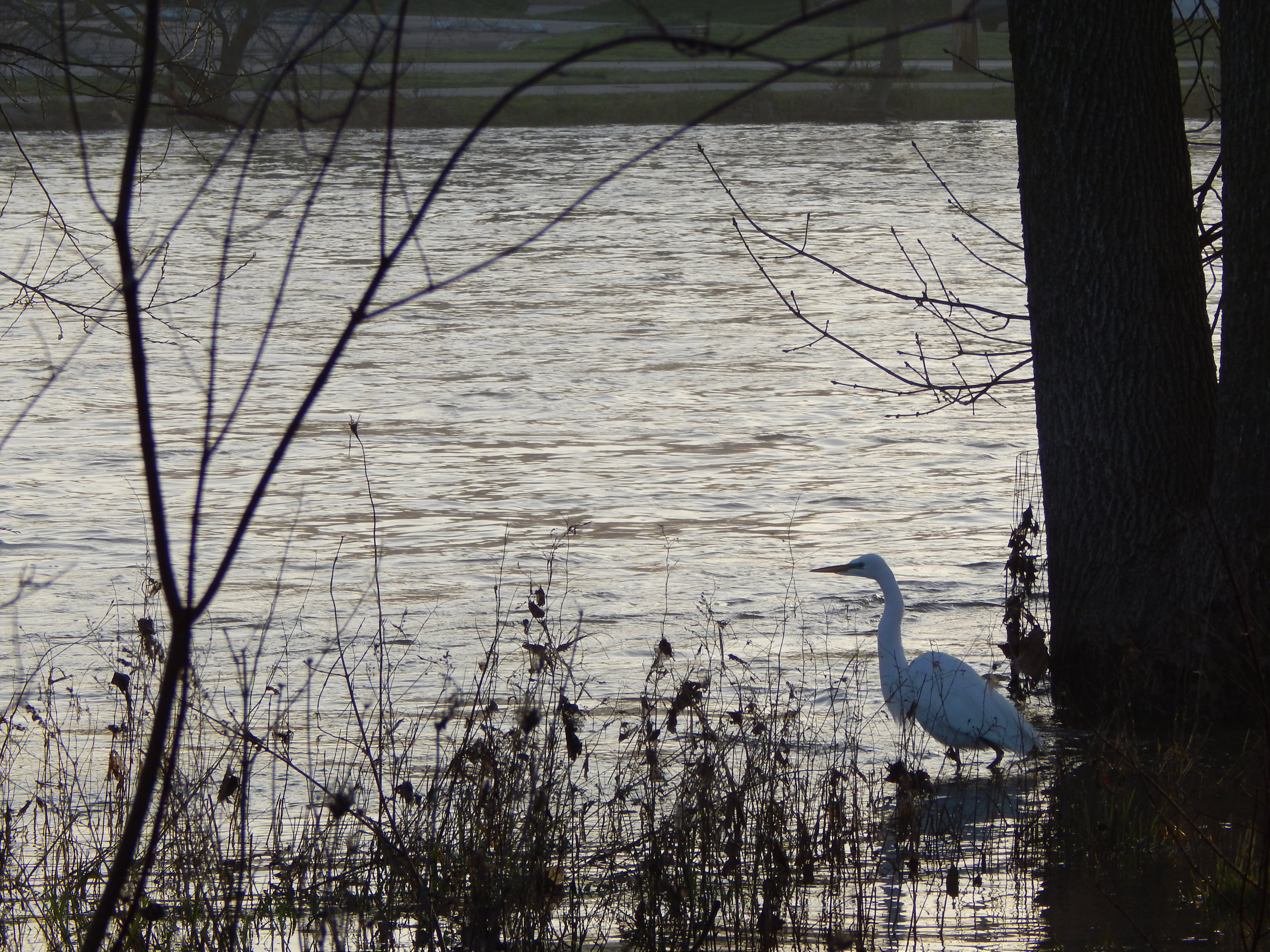
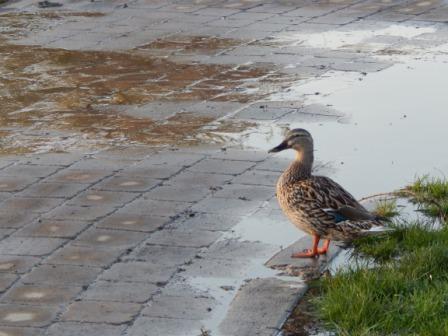
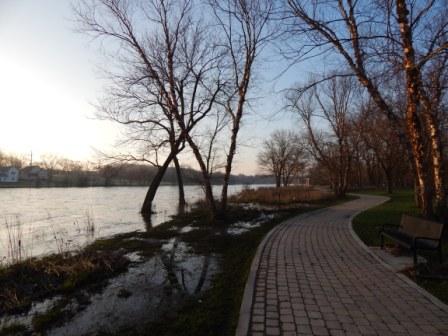
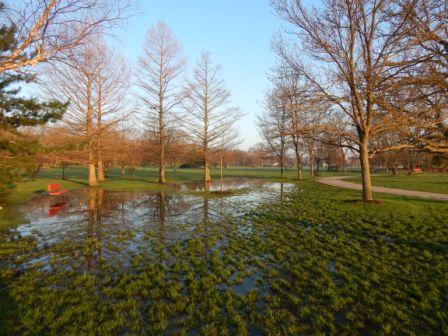
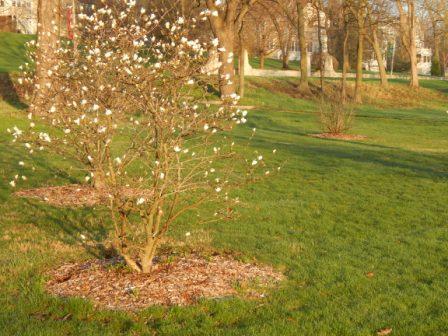
St. Mary’s Park: April Showers Bring May Flowers – After the Flood

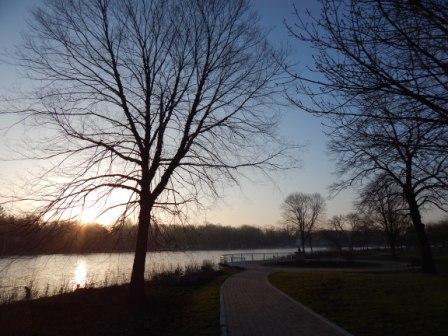
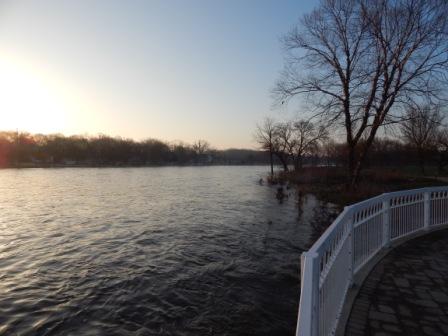
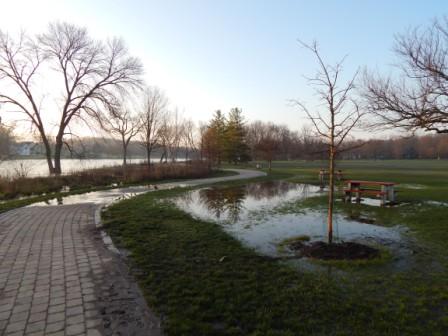
Yesterday I drove over to St. Mary’s Park in Saint Charles, IL.  I typically go for long walks at St. Mary’s after winter recedes and spring bursts out.

Burst out it did!  As you will see much of the park along the Fox River had been under water because of the recent heavy rains.

Saint Mary's Park 008 Saint Mary's Park 010 Saint Mary's Park 011  Saint Mary's Park 009Saint Mary's Park 013 Saint Mary's Park 012

Saint Mary's Park 019 Saint Mary's Park 021

Saint Mary's Park 023