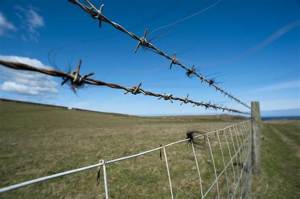
The boy ran as fast he could. The old man chasing him kept pace with longer strides. The boy ran down a gully and through a shallow creek. He soaked his feet. Running up the hill he saw a fence. Just a few more paces and he would be free. The old man won’t jump he fence, he thought.
Near the fence the boy took one last look and saw the old man standing on the other side of the stream. He was cursing with his fist in the air. The boy’s heart pounded faster. He ran toward the fence hoping to grab the post and throw himself over. He leapt and his leg was caught. Barbed wire. He held tightly to the cigar box and tried to pulled himself free. The barbed wire ripped into his leg. The slice of burning pain he felt in his leg turned to ice-cold fear in his face. The old man was now closing in.
“What possessed you boy to take my box? The old man came up and grabbed the boy’s leg. “I should whoop you to within an inch of your life.”
Taking his pocket knife, the old man cut the boy’s pants leg free from the barbed wire. He held the bleeding leg tightly and looked him in the eye. He remembered what his father had said as he lay dying, “They can’t take anything away from you Lloyd. I promised I would provide for you.”
The old man pulled the boy down from the fence. The boy wanted to run but the old man had a firm grasp on his neck. “You are coming with me.”
Back at the barn the old man let go of the boy in a stall. The boy, writhing in pain, fell back into the straw.
“You need to know somethings,” the old man spoke bent over, trying to catch his breath. After a minute he grabbed the cigar box off the straw and stood erect.
The old man opened the cigar box and looked through it. Everything was there including the farm’s deed at the bottom of the box. The old man pulled it out.
“I’m real sorry sir. That old box looked like it had old stuff in it and…”
“That ring was my wife’s wedding band and that piece of paper right thar is a promise from my father.”
The boy blinked away a gathering tear. He waved away a shock of hair from his eyes. “A promise?”
“Yes, a promise. My daddy promised to give me the farm when I was your age. This is a deed to the farm.“ The old man waved the deed in front of the boy’s wide eyes.
“I didn’t think an old piece of paper mattered to anyone.”
“Promises do, son. Promises do.”
“My daddy left me the land when he died. It was in his will, just like he said. “Keep it in the family, he said. You take my promise away boy and I have nothing.”
The boy, recovered from running, looked outside where the moonlight offered passage to escape.
“I have a mind to talk to your parents,” the old man pointed his finger at the boy.
“That’s not possible, sir.”
“What do you mean, boy?”
“I mean that my parents are… they are dead, sir.”
“C’mon kid. Tell me their name.”
“There are Hawkins, sir. Tom and Betty Hawkins.”
“I know that name Hawkins. Your mom works at Mare’s Diner.”
“Yes, sir. She did.”
“Well, tell me what you mean that they are dead.”
“They were killed in a car accident on highway 27. A big ole truck hit their car.”
“Geez, son. I’m sorry.”
“It happened last Christmas Eve. They were driving home from… Geez, sir, I better git home. My aunt will be worried.”
The boy took off past the old man. Forgetting the pain in his leg he ran with all his might across the old man’s field toward the fence. The old man, still breathing heavy, didn’t give chase. He watched as the boy struggled to get over the barbed wire. The boy gave out yelp as he fell to the ground on the other side. He ran off to where no moonlight could trace him.
A month or so later the old man came to Mare’s Diner for his breakfast. Sally, the waitress, poured him a cup of coffee while taking in the old man.
“I don’t see you here much.” Sally wiped up split coffee with her apron.
“I’m not much to see,” the old man replied.
“C’mon now, you old geezer, you tryin’ to make me feel sorry for you?”
“No ma’am. Life does that all on its own without any help.”
Sally wiped more coffee from the table.
“Say, didn’t I see you here a while back with a young man.”
“That was my son Seth. He was saying goodbye. He was moving out to California to go live with his mom. I was with her years before I married Ruth.”
“He didn’t want to work the farm?”
“Hell no. He doesn’t care about soy beans and corn. He’s into data farming, whatever that is. Say, scramble me up some eggs with some dry wheat toast before I die of starvation.”
“I’ll go do that right now. I don’t want to anything to happen to that sunny disposition of yours.”
Sally headed off to the kitchen.
Five minutes later she returned with the old man’s breakfast.
“Do you know that boy?” The old man pointed out the window.
“Yeah, that’s Archie. His folks died a while back. Sad for a ten-year old boy to lose both parents. What’s he doin’?”
“He’s got his thumb out. O, my lord, he’s hitchhiking.” The old man got up and went outside.
“Hey boy! Hey Archie!” The boy turned and started running.
“Hey Archie! I’m not gonna chase you. C’mere and talk to me for a minute. The old man’s cracking voice carried out to the road.
The boy stopped. He turned and saw the old man standing at the door of the diner. The boy stood by the side of the road kicking gravel. A car passed and then a truck.
“What is it you want?”
“I’ll tell you over breakfast. C’mon my eggs are getting cold.”
The boy, hungry because he left home before his aunt woke, slowly walked toward the restaurant kicking stones as he walked.
“Where you off to boy? Sally says your name is Archie. Where you off to Archie?”
“Anywhere but here.” The boy brushed back a shock of brown hair from his face.
“I see. You better have some breakfast before you go. It’s on me.”
The boy shrugged his shoulders and followed the old man to the booth.
“Sally what have you got for this young man?”
“I’ve got eggs, hash browns, bacon, toast, flap jacks…”
“Go ahead and get what you want.” The old man nodded at the boy.
“I’ll have that.”
“OK. And some orange juice, too?” Sally added.
“Yes, ma’am.”
Morning sunlight coursed through the window making the boy squint. The old man pulled the shade down and the boy relaxed his face. His hands fiddled with the silverware.
“You don’t like here?”
“No, sir, I don’t like here. There’s nothing for me here… just like that field across the street. Ain’t nothing but dirt.”
“Son, you ain’t seen nothing yet. That field of dirt has got life in it…below the surface… you have to look longer than today.”
“I’ve seen all I want to see.”
Sally returned with the boy’s breakfast and placed several plates before him. She then leaned over to the old man and whispered, “I called the boy’s aunt so she ain’t worried. She’ll be comin’ for him.”
The boy heard. “Ah, noooo.” The boy started up from his seat but the old man grabbed his arm and held down.
“Sit down. Son, Archie, you’ve got man impulses but boy resources. You best stay with your aunt ‘til you grow you own.”
“My aunt knows nothing except yarn. She’s knitting all the time.”
“Some folks knit when they are lonely and bored and some hitchhike. I understand that your uncle passed away last year. Terrible sad time for your aunt and now for you with your parent’s gone.”
The boy didn’t look up. He kept eating, filling his cheeks like a squirrel’s.
“When my Ruth died, I was terrible sad and lonely. She …I ain’t gonna bother you with the details of my life.”
“You’ve bothered me already. But I’m here, ain’t I?”
“Ruth was good woman. I’d sit with her at night and we’d listen to our music on the radio. She’d knit and rock in her chair. And she made the best pies around. Even sold them here in the diner.”
“I could use some pie.” The boy spoke as he swallowed the last cheek-load. He wiped his face with his sleeve.
“Sally, what kind of pie you got today? This boy has another leg to fill.”
“Strawberry rhubarb and cinnamon apple.” Sally called out from behind the counter.
“Apple.” The boy had no doubt.
Sally returned with the boy’s pie. The boy started in on the pie.
“You ain’t havin’ any?” Sally set the pie before the old man.
“No. I’ll eat some after supper. It’ll slow me down. Pie has a way of catching up with you …”
The boy finished the pie and fell back against the booth cushion. He closed his eyes. “I’m full.”
As Sally cleared the plates the boy’s aunt, frantic, rushed into the diner and over to the booth.
“There you are! My lord, I thought I lost you!”
“He’s OK. He just had a silo-fill of breakfast. He ain’t goin’ nowhere.” The old man spoke as he stood.
“Thank you! I’ll take charge of him now. Land sakes, boys are…”
“Ma’am, he’s a boy lookin’ after himself. He just doesn’t know how to look ahead of himself.”
“Well, I sure don’t. I raised girls and they occupy themselves with books and flowers and…”
“Yes ma’am they do. Boys occupy themselves with a world of things like pocket knives and sling shots and chewing gum. And things that get them head-to-toe covered with the earth.
The boy’s aunt pulled the old man away from the table.
“Lord, I don’t know what to do with that boy. I was given charge over him when his folks died. I don’t know how to …I’m afraid he’ll run away again.” The old man looked out the window as if the past was passing by.
“Listen,” the old man stood between the aunt and the boy, “I’ll take him home with me. My farm’s over on Route 25. I have a bedroom where he can sleep. You can come over anytime to check on him. Would that work for you?”
“I…I guess, yes. You’re …you’re not a young man anymore to be chasing boys, Lloyd.”
“You are right about that. I’ll have him help me with the farm and see that he gets fed and man-folk things to do.”
“I guess it will be alright. I don’t know how to raise a boy without Howard around.”
“Then let’s do this and let’s see how it goes for the boy.”
“OK. Let’s. Call me if there is an ounce of trouble.”
“Oh, there will be plenty of trouble comin’ my way but that’s nothing compared to hitchhiking trouble the boy will encounter.”
“Yes, thank God you showed up at the right time.”
“I’ll take the boy with me, kicking and screaming if I have to. I’ll make sure he’s taken care of. How about you make a fresh pie for us every week and you bring it over on Sundays after church?”
“That works for me! OK Lloyd I’ll be by this Sunday.”
The boy’s aunt went over to the booth. She kissed the boy’s forehead and left a red lipstick smear. She told the boy, “Lloyd here is gonna take you to his home.”
“I don’t want to go to his home!”
“He’s taking you to his farm. You’ll stay with him.
“What?! Nooooo!”
The old man came back to the booth and sat down.
“Archie, I’ve talked with your aunt. She and I thought it would be a good idea for you to stay with me for a time, nothing permanent… just a spell, so you can do the things that guys like to do.” The old man winked at the aunt.
“Like what?”
“Well, I’ve got a fishing hole on my property. A boy could go swimming. I could show you how to shoot a .22 and how to forge your own knife.”
“Swimming?” The boy put his face into his hands. “I guess. Just for a short time until I get some money for a bus ticket.”
The old man offered his hand to the boy. After a minute the boy took his face out of his hands, reached across and shook the old man’s hand. The old man drove them to the farm.
A month had gone by. The boy settled into a routine. He followed the old man around as the old man did his daily routine on the farm. He watched the old man as he repaired broken equipment. And, he watched him as he made their meals. The whole time the boy stood at distance with his hands firmly shoved into his front pockets.
In the afternoon, after the chores had been done, the old man told the boy to go to the fishing hole for a swim to clean off the sweat and dirt. As the boy swam the old man sat on the porch smoking a cigar and reading the newspaper and ag reports.
The evenings were spent eating dinner, cleaning up dishes and then taking a long walk. The old man told the boy that he and Ruth had spent many twilights walking and just being quiet together. The boy had no problem being the old man’s quiet hands-in-pockets companion. The conversation of crickets sufficed for both of them.
Back at the house the old man would read to the boy. He read books borrowed from the library. The old man read from the newly published set of Master and Commander novels. He told the boy that ever since he was a kid and saw tall ships on his trip out east to see his dying aunt that he wanted to be on the open see. But, being raised a farmer and inheriting the farm kept him landlocked. The boy took it in as he lay on the floor with his head perched in his hands.
On Sundays the boy’s aunt came over with a fresh baked pie and a set of folded laundry. She had offered to do their laundry on her first visit. The boy would bury his face into his clean clothes. They smelled of summer and buttery pie crust.
It wasn’t long before the boy’s aunt noticed that the boy’s eyes had brightened from their once desperate and unanimated gaze. It was if sense had been poured into him. She noticed, too, that the boy loved to run. A mention of the swimming hole had him remove his hands from his pockets and take off his tee shirt. He would run out the door like he was shot from a gun. “My lord, that boy can run!”
The old man agreed. “I wonder if he’ll be another Jim Ryun the sub-four-minute miler. He’ll make the half-mile to the hole in no time flat. The aunt looked puzzled but nodded. The old man continued. “Nothing can catch him except barb-wire.” The aunt looked puzzled again. The old man smiled. “I’ll let him tell that story when he’s ready.”
On Sunday they attended church. The old man was not a spiritual man. He believed in the elements and what his hands worked and sometimes the Farmer’s Almanac. He had taken his son Seth to church to let him decide for himself. But Seth later declared himself an atheist and said that the good life and the good weather was to be found in California.
One Sunday the preacher gave a sermon on Abraham’s faith: God commanded the sacrifice of Abram’s son. Abram proceeded to offer his son as a offering. As Abram raised his dagger an angel stopped him from slaughtering his son. A lamb was provided to take the place of the boy.
That night, during their evening walk, the boy asked, “How can a father kill his own son?”
“I wonder that myself. I guess Abram decided that God knew what he was doing, with his promise and all – descendants as many as the stars.”
The boy flinched. “You don’t have descendants if you kill them. If I was Isaac I would have run.”
“I guess Isaac decided that his dad knew what he was doing.”
The old man looked up at the night sky. “I read something a while back. All the elements on earth were forged under great pressure in stars – I’ll show you some rocks when we get back to the house. What do you think about that?”
The boy shrugged his shoulders and said, “I think rocks make more sense than killing your kid.”
They walked on to their turnaround point and then headed back to the house. There the old man showed the rocks he had collected when he was a boy: copper ore, iron ore, jasper, cobalto calcite fushite, citrine and many more specimens that his father brought home to him from his travels. The old man told the boy he could keep them in his room. The boy kept them on the stand next to his bed.
The next summer the boy spent his time at the fishing hole after completing his chores. It was there that he met two boys – brothers – about his age. They came over from a neighboring farm. The boys spent their time in the water and building a fort in string of trees along the old man’s field. When they became bored they decided to steal cigarettes off of old man Jacobs dresser. They smoked them in their fort.
The brothers, Jake and Riley, later decided that they would have more fun. They would steal a transistor radio from old lady Miller. The boy came along. He didn’t want to be on the outside, except as a lookout. As it happened old lady Miller hung out the laundry on Mondays. As she did, she listened to the radio perched on a nearby chair. The boys moved in when she entered the house. They snatched the radio and took off back to their fort.
Days later the local paper reported things disappearing from local houses: a radio, a watch, a bicycle, and issues of National Geographic. Per the account, no suspects had been determined. So, the boys continued to steal. The impulse to steal even bigger things and make a getaway was behind Jake’s and Riley’s decision to steal old man Jenkins car. They reasoned: the old man rarely drove it anyway; it was just sitting in his yard waiting to be used; besides, they would only take it for a ride to the next town twenty miles away where the five and dime carried comic books. They told themselves that they would bring the car right back as if nothing happened.
“I don’t know.” The boy voiced his resistance to taking the car and went on to say that they should stick to little things. But he soon changed his mind, the lure of friendship had been cast and the bait taken.
With a stolen pack of cigarettes, the boys made their getaway. Jake, the oldest of the three, knew how to drive. They left the farm down a back road and zig-zagged over to Hastings in the next county. They left a cloud of dust hanging over the fields they raced passed. Cigarette smoke added to the plume.
The car’s radio played loud, so loud in fact, that they couldn’t hear the siren of the police car behind them. Jake slowed up to make a turn. As he did the dust trailed off on the road left behind. Looking right the boys could see the police car’s mars light flashing red. They shut off the radio and pulled to the side of the road. The cigarettes were tossed. In the seconds before the officer reached the car, they tried to devise a reason for being in old man Jenkins car. A medical prescription emergency? They were gonna buy it from old man Jenkins and they wanted to test drive it? It was just for an hour, that’s all?
The officer would have none of it. He placed the three boys into the back of his car and radioed the station. He told the dispatcher to call Mr. Jenkins and let him know his car was found.
Back at the station the officer put the boys in a cell and proceeded to call their parents. Jake and Riley’s parents came right over. They were visibly shaken. Lloyd walked in minutes later and together they asked, “What’s the charge?’
The officer told them that stealing a car is a felony. He also said that he had good reason to believe that the three boys were involved in other things being stolen incurring possible misdemeanor charges. After admitting what they had done the boys were released to the custody of their guardians. A hearing date was set.
The silent ride home with the old man didn’t improve the boy’s outlook. The old man looked heartbroken. At supper that night they ate in silence. The boy didn’t want to catch the man’s gaze. The boy ate with his left hand spanned across his brow. The old man chewed his food as if he was chewing his thoughts.
The boy offered to wash the dishes. He left the room and came back with a cigar box. The old man picked one out and went to the porch.
The boy went to bed early that night. There would be no walk with the old man. There would only be an overwhelming sadness that pervaded his being. Events of isolation converged as he lay in bed: the loss of his parents and the loss of the old man’s trust and losing himself to the law. Sleep came after the boy, crying and clenching his teeth, beat his pillow with his fist.
The next day was Sunday. The boy’s aunt would make her weekly visit. When she arrived, the old man greeted her and put the pie she made for them on the rail of the porch. “Let’s go for a walk.”
The two set down the road the boy and the old man walked. The old man told the boy’s aunt about the day before. The aunt nearly fainted. “My lord!” she kept saying after each of the old man’s disclosures.
When they returned the old man called for the boy to come out to the porch. The boy, pensive, obeyed.
“Your aunt and I have been talking. We both think it best that I adopt you. I don’t know if you’ll be entering junior high this fall but whatever happens we will go through it together.”
The boy tried to look accepting. Fear of the unknown was now taking over. He shuffled over to his aunt and offered her a hug. The aunt, who had been wringing her hands, opened her arms and smothered the boy in a hug. With that something stirred in the boy. His fear encountered embrace.
That night, the boy, at the insistence of the old man resumed their nightly walk. The old man again told the boy that he was adopting him.
“Adopting? What’s that mean exactly?”
“It means that I promise to take care of you as your father would if he were here.”
The boy looked up at the old man. “Does it mean I have to take care of you?”
“Only if you have a mind to.” The old man smiled.
The boy didn’t speak until the turnaround point.
“I guess you know what you are doing, with your promise and all.” As the boy spoke, he felt a rush of tears gush up and pool in his eyes. He turned toward home and began walking ahead of the old man, snapping his leg with a twig he found.
The day of the hearing arrived. The old man had the boy take a shower, clean his face and comb his har. He had bought a tie for the boy to wear before the judge. “The judge has to see that you are trying to clean up our act. This is a start.”
Jake, Riley and the boy stood before Judge Gibbons as the charge of felony was read. Jake and Riley’s parents had retained an attorney. The old man had asked for a public defender. The boys were asked how they pled. They each responded “Guilty”. The anvil word was met with a hammer rap.
Before setting a sentencing date, the judge asked the boy’s parents and their attorneys to come into his chamber.
“Between us folks, these boys were behaving like boys. Foolishness is bound up in the heart of a child, as Proverbs says. From experience I know that foolish pranks can turn into foul play. Your boys are on the cusp of that. Though I could send them to a juvenile home, this is their first offence. I would rather they learn from this experience here and now. I would rather their foolishness be put away forever. Any thoughts?
Jake and Riley’s attorney spoke first. “As you honor said, this is the boy’s first offense, first major offense, that is. I have had a talk with them about the possible consequences including what having a criminal record would do to their lives. I ask for leniency and probation for the boys so they can turn their lives around. Their parents will keep strict attention on their behavior.
“And you sir”, the judge turned to the old man.
The old man, agitated in his chair began to speak slowly, aware of his racing heartbeat:
“Your honor…” the old man told the judge how he came across the boy one night and how he learned of the boy’s parent’s death and about the boy’s hitchhiking. He told the judge about their walks and their time together. He told the judge that the farm takes a lot of work so he let the boy run free after his chores. And that he now has a hired hand to help him with the farm so that he could spend more time with the boy. Lastly, he told the judge that he was the adopting the boy as his own. He showed the judge the adoption papers.
The boy’s public defender also asked for leniency and for probation and for the means to have their record expunged at a later time.
The judge having heard their statements gave his ruling when they returned to the courtroom:
“I sentence you to three years of probation – you will report to a probation officer every week and give account of your yourselves. You must not drink or smoke. You must also return what you have stolen. You must do 90 hours of community service. Your probation officer will tell you what that is. And, you must wash Mr. Jenkins’ car every weekend for the next three years. Mr. Jenkins will report your efforts to your probation officer. You will work to build trust again with those you have acted against or I will see you back here and send you where you can be trusted to behave.” The gavel came down and sighs of relief filled the courtroom.
The boy’s summer ended not as it started: in a routine chosen for him. He reported to the probation officer every week. He washed Mr. Jenkins car every week. He picked up litter along the highways two days a week. And he attended Willmans Junior High School five days a week. His walks and the reading time with the old man continued as before. Though his chores increased, the boy added to his routine.
The boy’s natural inclination was to run. When he could he ran down the highways he picked clean. The junior high had no program for runners, but the old man set him distance goals. The old man knew the high school had a cross-country team.
The summer after his junior high graduation the boy ran with the high school’s summer cross-country squad. The coach noted the boy’s endurance and speed. That fall the boy joined the cross-country team- the Harris Harriers. With the training, his schedule was now so packed, that the old man lifted some of the farm chores from the boy’s to-do list. To fuel the carbs being burned off during the boy’s distance runs, the old man was now in the habit of feeding the boy spaghetti as a side dish at every meal. The boy didn’t see any problem with that.
As the season progressed the boy won most of his distance events. He placed his ribbons and trophies on a shelf in the living room, a shelf the old man set apart for the boy. The team entered sectionals in the next county. The boy had to get permission from his probation officer to travel there with his team.
Near the end of the boy’s freshman year the boy completed his probationary period. He stood once more before Judge Gibbons. The probation officer gave his report concluding that the boy had fulfilled the judge’s requirements. The officer read a letter from Mr. Jenkins, which stated that the boy had “cleaned his car faithfully. The boy redeemed himself in my eyes.”
Judge Gibbons was pleased to hear these reports. He discharged the boy saying that he could petition the court to expunge his record. He was free to go.
Outside the courtroom Mr. Jenkins took the boy and the old man aside. He spoke to the boy. “You cleaned that car like it was yours. You can have it. Here are the keys. I’m told I’m too old to be driving it anyway.” The boy was taken back. He apologized for the trouble he had caused him. And, he thanked him for such a gift. The old man pulled the boy close and whispered, “The sowing and reaping have come full circle. C’mon, let’s go the Mare’s diner. I’ll meet you there.”
Over time, freshman year through senior year, the boy became the fastest miler in six counties. Because of his time in the state trial meets, the boy was sent to the state meet. There, the boy ran his best mile time: 04: 10.08 to win the state meet. When it happened the old man came out of his stadium seat and ran out to the track where the boy, flushed red, was holding his side and taking in big gulps of air. The old man hugged the boy, sweat and all.
That night, during their walk in the state capital, the boy told the old man that he was enlisting in the Navy. The old man said, “You, you can’t run on a battleship.”
The boy replied, “You told me once that I should spend my life growing. That’s what I intend to do.”
The old man, not able to argue with his own words, began to walk a step ahead of the boy back to the hotel.
When the time came the old man drove the boy to the bus station. He sent him on his way with some stationery and his copper ore specimen to remind him of home.
After basic training the boy was assigned as a mechanic on the Seventh Fleet aircraft carrier USS Enterprise. The Big “E” was the world’s first nuclear-powered aircraft carrier. “READY POWER FOR PEACE” was the motto on his arm patch. The carrier operated in the Gulf of Tonkin off the coast of northern Vietnam and southern China.
Early December 1966 the Big “E” tied up at U.S. Naval Base Subic Bay, Zambales, Philippines for supplies and repairs. It was then that the boy received two messages. The one from his aunt read, “Your father is dying. Come home.” The one from the preacher read, “You father asks for you.” The boy immediately took the message to his CO. The boy was granted two weeks leave.
It was two days travel to New Burrow. The boy’s aunt met him at the bus station. As they drove to the farm she told the boy about the old man’s condition: “The doctor says his heart is failing. His eyesight is almost gone. Your father doesn’t want to go to the hospital. He wants to die on his farm.”
The boy, dressed in his service uniform, entered the farmhouse and went straight to the old man’s room. He found him there asleep, his breathing heavy and rasping. The boy sat next to his bed and waited for him to stir.
Without opening his eyes the old man reached over and felt the arm of the boy. He spoke.
“Bless your aunt. She has cared for me. She read me your letters.” The old man stopped, taking in more air. After minute, his eyes still closed, he said, “The preacher was here. He told me to pray believing God knew what he was doing. I prayed and prayed and …his chest swelled and then he let out a choking cough. “And here you are.” The old man returned to sleep.
Two days later the boy entered the room with some water. The old man was awake. The boy could see that the old man’s eyes, struggling to stay open, did not respond to movement. Afternoon light coming through the window revealed the reddish-orange copper ore coloring and deep furrows the sun had worked into the old man’s face from years of working in the field.
“I’m glad you are here, Archie.” The old man made every effort to speak.
The boy leaned over to the man’s ear, “I’m here, dad. I’m not going anywhere.”
The old man gestured his withered hand over to the nightstand. “Don’t run off. That box is yours now and all it contains.”
“It is safe with me,” the boy replied putting his hand on its lid.
The old man, wheezing and gasping trying to respond, let out a long airy sigh and let go of the earth.
The boy sat with the old man. The aunt and the hired hand came by the old man’s bed. The aunt spoke wiping tears from her cheeks. “He made his peace with God when he prayed for you, Archie. He loved you. He made me promise that you would get that box. He said promises are only as good as those who hold on to them.”
After a time, the boy, now a young man, walked with the cigar box over to the fence where he first met the old man. He remembered the absolute terror he felt getting caught in the barbed wire and the old man freeing him and wondering what would happen next. And what happened next couldn’t be contained in the old man’s cigar box. The old man knew what he was doing.
After a time, he walked back to the house. He changed his clothes and went for a run down the road they walked together. At the turning point he wept.
Two days later the preacher gave the eulogy. He spoke of the resurrection of the dead. He spoke about a promise freed out of Egypt and out of a fiery furnace and out of the mouth of lions and finally out of the tomb.
By the graveside Archie read the 23rd Psalm. Seth, who arrived the day of the funeral, remained silent as the gathered sang “Amazing Grace”.
The boy, now a young man, laid the old man to rest. He read the words on the tombstone: “Lloyd Harold Long, June 7, 1880-December 14, 1966, Husband to Ruth, Father to Seth and Archie”.
© Jennifer A. Johnson, 2019, All Rights Reserved
AKA, Lena Lindberg
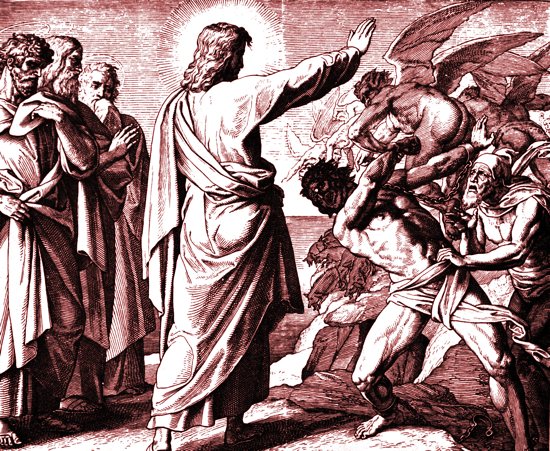
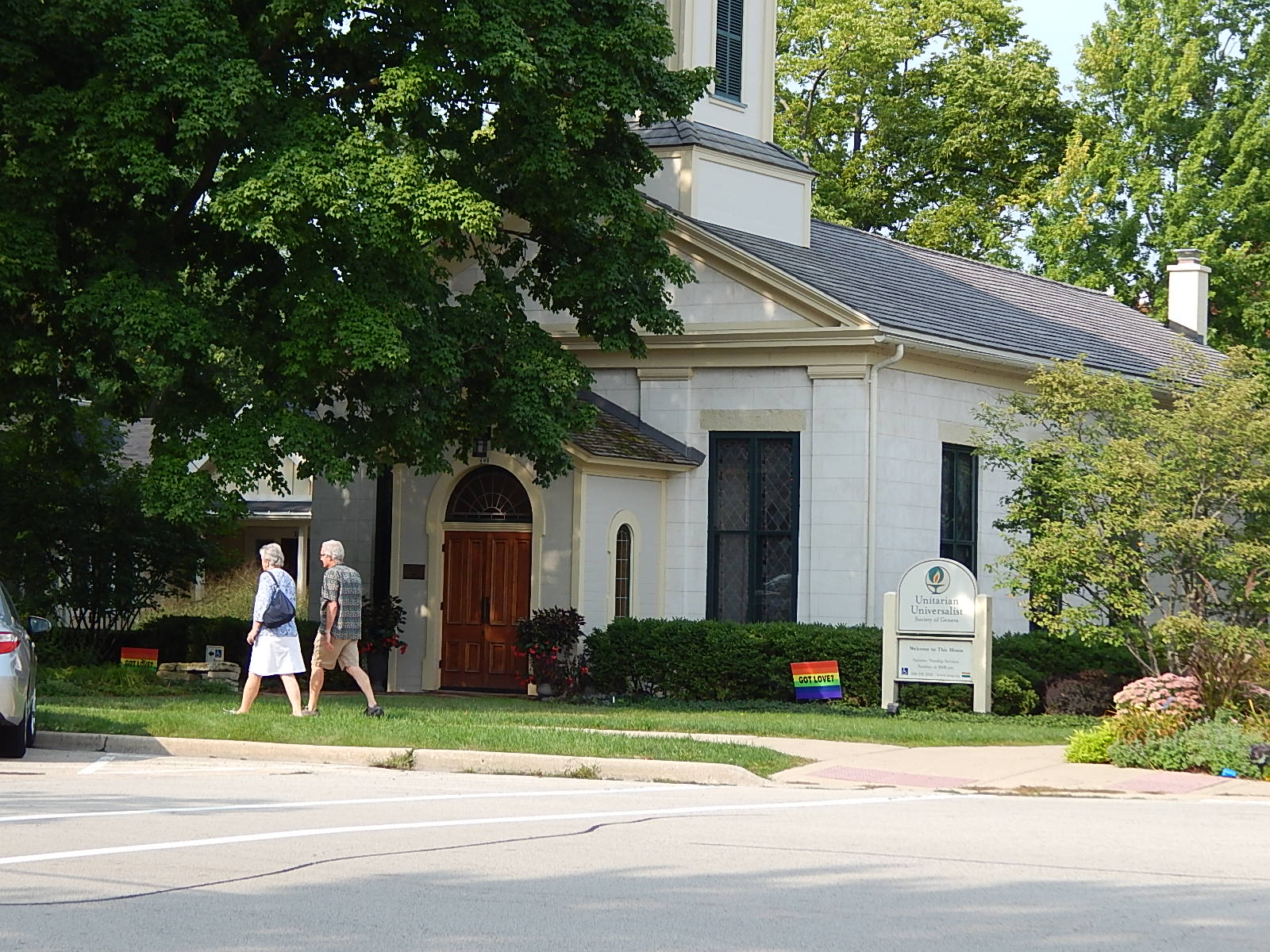
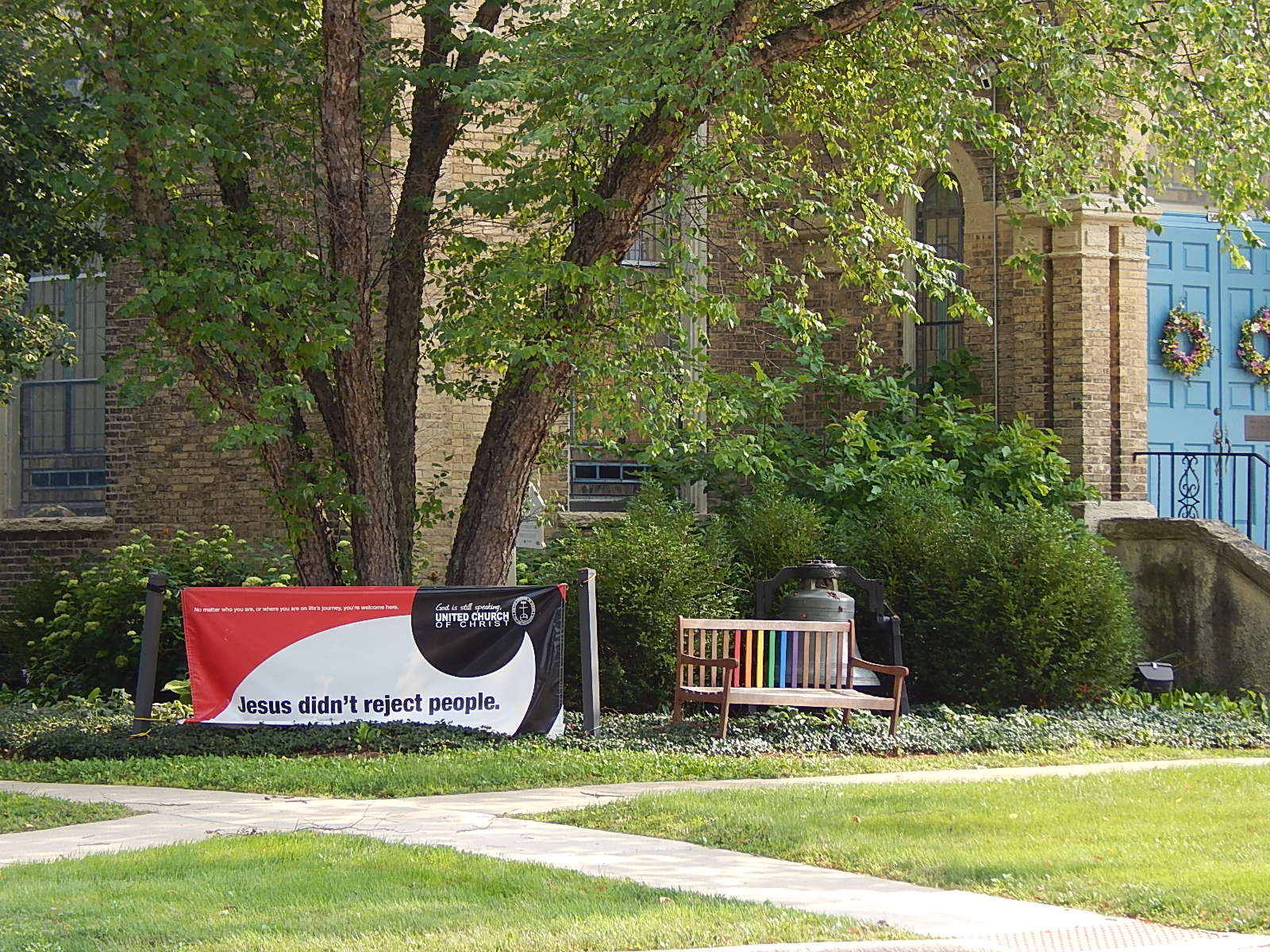









‘Tis the Season to Rethink Equal Outcomes
November 10, 2018 Leave a comment
The Progressive’s notion of equal outcomes: “income equality” realized through redistribution; test results based on tests revised so that certain people could pass the test; participation-trophy type merit; laws that ‘fix’ opportunity for certain people; verdicts and sentencing of activist judges who rule based on a defendant’s social circumstances rather than by the crime committed upon another; homosexual ‘marriage’ as marriage equality; “equal pay for equal work” which dismisses the resultant quality of what each worker produces; a state in which people have approximately the same material wealth and achieve equal levels of income; equating equal opportunities with equal results…
Economist Thomas Sowell gives us some insight into Progressive thinking:
Equal opportunity does not mean equal results, despite how many laws and policies proceed as if it does, or how much fashionable rhetoric equates the two.
An example of that rhetoric was the title of a recent New York Times column: “A Ticket to Bias.” That column recalled bitterly the experience of a woman in a wheelchair who bought a $300 ticket to a rock concert but was unable to see when other people around her stood up. This was equated with “bias” on the part of those who ran the arena.
The woman in the wheel chair declared, “true equality remains a dream out of reach.” Apparently only equality of results is “true’ equality….
…Confusion between equal opportunity and equal results is a dangerous confusion behind many kinds of spoiled brat politics. -Thomas Sowell from Spoiled Brat Politics, The Thomas Sowell Reader
To put us in the proper reflective mood for the Season to Rethink Equal Outcomes, below are three accounts from Scripture which reveal to us God’s concept of equal outcomes.
But the king replied to Araunah, “No, I insist on paying you for it. I will not sacrifice to the LORD my God burnt offerings that cost me nothing.” So David bought the threshing floor and the oxen and paid fifty shekels of silver for them. 2 Samuel 24:24
The first thing I notice about the above account is that forms of capitalism have been around for a long time. That is, capitalism, simply defined, as an economic and social system in which property, business, and industry are privately owned and directed towards making the greatest possible profits for successful organizations and people, especially as contrasted to cooperatively or state-owned means of wealth.
In the above account there was a cooperative exchange of private property between two individuals. Both were satisfied with the outcome. And, apparently God was satisfied with the outcome. David’s desire was to not give God the impression that he was doing something good for God, a.k.a. virtue signal or tokenism, but to pay proper respect and attribute worth to God through his offering.
David built an altar to the LORD there and sacrificed burnt offerings and fellowship offerings. Then the LORD answered his prayer in behalf of the land, and the plague on Israel was stopped. 2 Samuel 24:25
The second thing I notice is restraint. Though Araunah offered his property freely to king David (2 Sam. 24:23) the king did not accept it without paying Araunah its worth to Araunah and perhaps more. That cost David. The king could have just taken the property to begin with. Beastly kings and rulers throughout history have seized property for themselves and for “the masses”. David was not about to disrespect his neighbor Araunuh or his God by stiffing either. The king did not exploit Araunuh for righteous ends.
Worth had to be accounted for with regard to Araunah’s property and with regard to a show of respect to God. “I will not sacrifice to the LORD my God burnt offerings that cost me nothing.” That is what David said and that is what the widow thought.
Then Jesus sat down opposite the offering box, and watched the crowd putting coins into it. Many rich people were throwing in large amounts. And a poor widow came and put in two small copper coins, worth less than a penny. He called his disciples and said to them, “I tell you the truth, this poor widow has put more into the offering box than all the others. For they all gave out of their wealth. But she, out of her poverty, put in what she had to live on, everything she had.” Mark 12:41-44
The first thing we notice in this account is the virtue signaling and tokenism of cha-ching-ers who want to appear to profit God while incurring little or no cost to themselves. In kingdom contrast, the unassuming widow, like king David, gave an offering that cost her appreciably and was God’s Temple worthy. The widow gave her financial security. The Lord was pleased to acknowledge her gift acknowledging the God Who is Faithful (Psalm 146: 8). She loved God more than life itself. Now, did you notice in these two stories that taking into account the worth of each party and their property creates equal outcomes – both parties being satisfied and even pleased with what is exchanged? This method of accounting, making sure the ‘other’ is considered and is valued as at least equal with ourselves, can be applied to all interactions.
In a previous post I wrote:
We are told by Jesus to “love your neighbors as yourself”. To do this we must consider our own self-interest and then apply the same measure of self-interest toward our neighbors. This parity of accounting is not unlike the Lord’s accounting of forgiveness: “forgive us our trespasses as we forgive others their trespasses.” […,] the resentment worldview has a perverted accounting system: the self is to be credited and others must be debited for there to be parity in their world. If the word “fairness” is ever to be applied socially and economically to our culture then these two commands of our Lord define its limited and personal application.
As shown from Scripture, God endorsed equal outcomes are marriages of opportunities with offerings. The outcomes are not forced or determined by a higher power or the state. The individuals involved come to an agreement about the outcome. A marriage of a man and woman is the archetype of this union of opportunity and offering.
The man and woman exchange vows and rings and, over time, their lives. The opportunity: they met and each determined that an exchange of their life for the other would make both happy. The offering: they give themselves which costs everything. They do so freely. The exchange is not coerced as in a shot-gun wedding or when those in power decide to take your property by force. When things are forced and a person is acted upon without it being offered it is called rape. It is called stealing when a person’s property is forcibly taken.
The equal outcome of marriage is that the two become one. The transaction creates a greater good (including little ones) and both parties equally, with God’s help, continue to be satisfied with the outcome.
One more illustration from Scripture regarding the marriage of opportunity and offering. Remember this woman?
While Jesus was at Bethany, in the house of Simon (known as “the Leper’), a woman came to him who had an alabaster vase of extremely valuable ointment. She poured it on his head as he was reclining at the table.
When the disciples saw it, they were furious.
“What’s the point of all this waste?” they said. “This could have been sold for a fortune, and the money could have been given to the poor!”
Jesus knew what they were thinking.
“Why make life difficult for the woman?” he said. “It’s a lovely thing, what she’s done for me. You always have the poor with you, don’t you? But you won’t always have me. When she poured this ointment on my body, you see, she did it to prepare me for burial. “I’m telling you the truth: where this gospel is announced in all the world, what she has done will be told, and people will remember her.”
Matthew 26: 6-13
What do we learn about opportunity and offering from this account of a woman pouring a very expensive offering onto Jesus’ head? We learn that the Progressives around Jesus were highly offended when they couldn’t control the outcome of the “alabaster vase of extremely valuable ointment”. We also learn from Jesus about the opportunity that brought them together: “… you won’t always have me”. The woman’s offering was what she could have lavished on herself. Maybe she applied David’s words to her head: “I will not sacrifice to the LORD my God burnt offerings that cost me nothing.”
The extravagant and expensive offering given freely was freely accepted by Jesus in preparation for his burial. In fact, he tells us that the equally shared outcome of what she had done was worth proclaiming: the marriage of opportunity and sacrificial offering as an act of love.
Rate this:
Filed under Christianity, Culture, Economics, Political Commentary, Politics, Progressivism, socialism Tagged with Christianity, culture, Economics, equal outcomes, politics, progressivism, Scripture