Frankenscience
October 1, 2023 Leave a comment
In a remote lab something is created using special occult-like knowledge and unethical scientific experiments. The creation does not emerge organically. What’s brought into existence is an intentional mutation of the natural order. Uncontrolled, the monstrous creation escapes into the public. People begin to die and the remorseless creators work to conceal their involvement.
So goes the recent account of the gain-of-function alchemy performed by a cabal of doctors -Anthony Fauci, Francis Collins, the doctors of the National Institutes of Health and of EcoHealth Alliance – in the Wuhan Lab and the ensuing lab leak of transmissible COVID-19 into the world of humans.
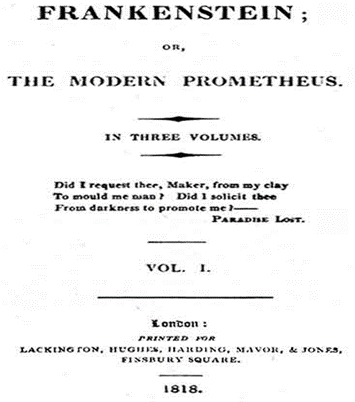
A parallel to the Wuhan horror story is an older science-off-the-rails account published in 1818. It is referenced in Jack Butler’s 2021 National Review article titled Frankenstein, the Original Lab Leak, Mary Shelley’s warning about the dangers of heedless scientific advancement takes on new relevance today.
Of Mary Shelly’s Frankenstein; or, The Modern Prometheus Butler writes:
Shelley’s gothic tale has become a byword for the view so, uh, ably expressed by Jeff Goldblum (playing Ian Malcolm) in Jurassic Park: “Your scientists were so preoccupied with whether or not they could, they didn’t stop to think if they should”.
The quest to unlock the secrets of heaven and earth and a burning desire to conquer the laws of nature are the driving forces behind Victor Frankenstein’s act-like-God creative act. And what he creates he cannot control. The same driving forces and results apply to the scientists of the Wuhan lab creation, as Butler notes:
Before the creature is made, Frankenstein delights in the possibility that a new species would bless him “as its creator and source” and that “many happy and excellent natures would owe their being” to him. If what we now quite reasonably suspect about the lab leak is true, then the Wuhan Institute of Virology can likewise claim the paternity of a new species, as well as of the many cases, deaths, and variants that have literally plagued the world since.
Before I ever came across the above article, I read Frankenstein. What had drawn me to Mary Shelly’s “ghost story” was what I had read in various science articles. These pieces discussed gain of function, the Executive Order 14081 Advancing Biotechnology and Biomanufacturing, coding genetics, the reanimation of dead cells, Neuralink – brain chip implants, human+, AI, transhumanism, transgenderism, and more. Reading about the desire and ability to tamper (or tinker) with the human body to effect change in it and wondering if technology was going to a dark place had me think of Frankenstein.
From the movies I learned that Victor Frankenstein had a lab, an assistant Igor and a bizarre desire to create something outside the natural order – a creature assembled from cadaver bits-and-pieces and strange chemicals, animated by a mysterious spark. I saw the brute, electrodes on his neck, clunking around the screen. I heard the screams of terrorized town’s people.
From the book I learned of Victor Frankenstein’s (no electrode, no Igor) description of his creation:
How can I describe my emotions at this catastrophe, or how delineate the wretch whom with such infinite pains and care I had endeavoured to form? His limbs were in proportion, and I had selected his features as beautiful. Beautiful! Great God! His yellow skin scarcely covered the work of muscles and arteries beneath; his hair was of a lustrous black, and flowing; his teeth of a pearly whiteness; but these luxuriances only formed a more horrid contrast with his watery eyes, that seemed almost of the same colour as the dun-white sockets in which they were set, his shrivelled complexion and straight black lips
From the book I also learned that the monster was not given a name. Frankenstein variously calls it “creature”, “fiend”, “spectre”, “the dæmon”, “wretch”, “devil”, “thing”, “being”, and “ogre”. The creation says to Victor “I Ought to Be thy Adam; but I am rather the fallen angel”. The book, I soon realized, had more to offer than depicted in the silly horror movies.
The book’s subtitle – The Modern Prometheus references Mary Shelly’s Gothic tale to Greek mythology’s interpretation of creation. Prometheus was the Greek Titan who fashioned humans out of clay and gave them fire. While Zeus was away, he stole fire from his hearth and gave it to humanity in the form of science knowledge. He taught humans the use of fire and how to trick the gods.
Victor Frankenstein, in his unchecked pursuit of the secrets of heaven and earth, “creates life and thereby challenges God (instead of Zeus) and is punished by having his creation kill a number of his close relatives and friends, including his bride on their wedding night”, writes Stephen Kearn.
Victor doesn’t get burnt, even though he plays with fire taken from God (There is no mention of God in the novel. Perhaps Mary Shelly was a deist who thought of God as away and uninvolved with humans). But unlike Prometheus, Victor doesn’t receive eternal punishment for defying God.
We do read that Victor constantly (every other page practically) regrets what he’s done. But he never acknowledges his creation or its murderous ways to anyone, except later to his father who thinks Victor is delusional. Victor remains silent when he should have spoken up at a trial to defend the innocent. Victor’s self-indulgent ruing does not lead to repentance. By remaining silent he covers up his madness. I wonder about the attitude of Anthony Fauci and Francis Collins’ after they learned of the deadly effects of their horrid creation.
Throughout, Victor receives constant support from family and a close friend, none of whom know what he’s been up to. But Victor, to hide the works of his hands, goes it alone.
Victor is a self-absorbed monster. He’s a loner in his own dark world. No one is allowed to enter it, not even his best friend Henry Clerval who then ultimately encounters the product of Victor’s solitude when he is murdered by the beast. The novel would have us ask, “Who is the monster? The creator or the creation?”
Another aspect of Shelly’s tale is the Faustian nature of Victor Frankenstein. As a student, Victor is dissatisfied with the limits of the natural philosophy he studies. He seeks to penetrate the secrets of nature and find where the spark of creation comes from.
“It was the secrets of heaven and earth that I desired to learn; and whether it was the outward substance of things or the inner spirit of nature and the mysterious soul of man that occupied me, still my inquiries were directed to the metaphysical, or in its highest sense, the physical secrets of the world.”
With such a grandiose desire, Victor trades the integrity of his soul for the capacity to tap into the forbidden knowledge. He studies alchemy and the occult. And like the damned Faust, he pays a tremendous price for his newfound ability. He eventually loses his brother and wife to the effects of his own creation.
There are many aspects of the novel that are never broached in the movies. Isolation, loneliness, the need for companionship, Paradise Lost, Adam and Eve, the garden of Eden, even Rousseauism. Mary Shelly, daughter of political philosopher William Godwin and her mother the philosopher and women’s rights advocate Mary Wollstonecraft, was well aware of the pedagogical and political philosophy of Jean-Jacques Rousseau.
The monster begins his existence as Rousseau’s natural man. He lives according to his basic needs and is content. When people come into the picture he learns virtue and develops vice.
The hideous creature, hiding in the woods from the volatile rejection of townspeople, comes across a cottage and its inhabitants – a blind grandfather, a boy and a girl. He watches them interact day after day through a crack in the wall. He sees how well they get along and love each other.
They play music and read out loud at night. Milton’s Paradise Lost is one of the volumes read. That is how, over time, the creature, ‘born’ sentient and tabula rasa, learns about humanity and how to speak. But the creature is ultimately rejected by them because of his horrid appearance. So, the once-innocent creature with growing malice turns to evil.
I am malicious because I am miserable. Am I not shunned and hated by all mankind? You, my creator, would tear me to pieces and triumph; remember that, and tell me why I should pity man more than he pities me?
Rousseau: “Man is born free, and everywhere he is in chains”. The creature: I am the way I am because of how people treat me”. (There are many creatures like this running around today.)
The monster, isolated and lonely, demands that Victor produce a female creature. In a contest of wills, it says “You are my creator but I am your master – obey!” If the monster gets what he wants he promises to go far away with his companion and won’t terrorize him anymore. Victor balks at the idea of another such creation.
Even if they were to leave Europe and inhabit the deserts of the new world, yet one of the first results of those sympathies for which the dæmon thirsted would be children, and a race of devils would be propagated upon the earth who might make the very existence of the species of man a condition precarious and full of terror. Had I right, for my own benefit, to inflict this curse upon everlasting generations? I had before been moved by the sophisms of the being I had created; I had been struck senseless by his fiendish threats; but now, for the first time, the wickedness of my promise burst upon me; I shuddered to think that future ages might curse me as their pest, whose selfishness had not hesitated to buy its own peace at the price, perhaps, of the existence of the whole human race.
That last line makes me think about all the tinkerers whose ability to engineer and tailor organisms – from transgenderism to mRNA vaccines to brain implants – could affect the existence of the whole human race. There is much of the implausible nature of Shelly’s novel that seems plausible today in the hands of Frankenscience. “Be careful what you wish for” I hear Shelly prophetically say.
Shelley’s novel doesn’t present scientific and technological advancements as purely monstrous. Rather, it is the callousness of the creator, who cannot or will not anticipate the dangers of their invention, who is truly monstrous. Throughout the novel, the reader is invited to bear witness to this ironic parallel.
-Helena Richardson, The modern Prometheus: the relevance of Frankenstein 200 years on
The Project Gutenberg eBook of Frankenstein, by Mary Wollstonecraft Shelley
Podcast>>>> “Frankenstein” by Mary Shelley | Evergreen Podcasts
~~~~~
In his Substack article, Sacrificing for Science, How Science is Carrying on a Very Old Practice, Lewis Ungit connects modern science practices to the practice of dark arts:
“What do these people harvesting full term babies (like the witches poses as midwives did in older days) and collecting hundreds of samples (also like the witches poses as midwives) hope to do with these bodies of babies? The reasons are remarkably similar to the reasons a witch would have given. Witches used the body parts to gain knowledge and power (to heal or curse). And Francis Collins (Director of the NIH) gave similar reasons for the Pitt funding. . ..
“But Collins, Biden’s NIH, and the University of Pittsburg are hardly the first to practice such dark arts.
“Since the 1960s, aborted babies have been used to develop vaccines . . ..
“In times of old, parts of the babies were used to advance the magic of the witches, to gain dark knowledge, or as an ingredient in a potent brew. And today, baby parts are collected to gain scientific knowledge and to provide good ingredients to medicines and food. And while moderns view the distinction between science and magic as significant, are they really so different?” (Emphasis mine.)
~~~~~
“The power to kill could be just as satisfying as the power to create.” – Brandon Shaw in Alfred Hitchcock’s Rope.
Rope (1948) – Murder is a privilege for the few – YouTube
~~~~~
More Frankenscience . . . What could go wrong?
Air Vax Could ‘Radically Change’ How People Are Vaccinated
“Yale University researchers have developed a new airborne method for delivering mRNA right to your lungs. The team has also used the method to vaccinate mice intranasally, opening the door for human testing in the near future.
“While scientists are hailing the creation as an easy way to vaccinate the masses, critics wonder if the development of an airborne vaccine could be used for nefarious purposes, including covert bioenhancements, which have already been recommended in academic literature.3
. . .
“Aside from the concerns of airborne delivery, mRNA COVID-19 shots are associated with significant risks — no matter how you’re exposed. People ages 65 and older who received Pfizer’s updated (bivalent) COVID-19 booster shot may be at increased risk of stroke, according to an announcement made by the U.S. Centers for Disease Control and Prevention and the Food and Drug Administration.
“Further, a large study from Israel revealed that Pfizer’s COVID-19 mRNA jab is associated with a threefold increased risk of myocarditis, leading to the condition at a rate of 1 to 5 events per 100,000 persons. Other elevated risks were also identified following the COVID jab, including lymphadenopathy (swollen lymph nodes), appendicitis and herpes zoster infection. (Emphasis mine.)
Air Vax — The Latest mRNA Delivered Into Lungs – LewRockwell
Compulsory and Covert:
RESEARCHERS CREATE AEROSOLIZED MRNA “VACCINE” (rumble.com)
~~~~~
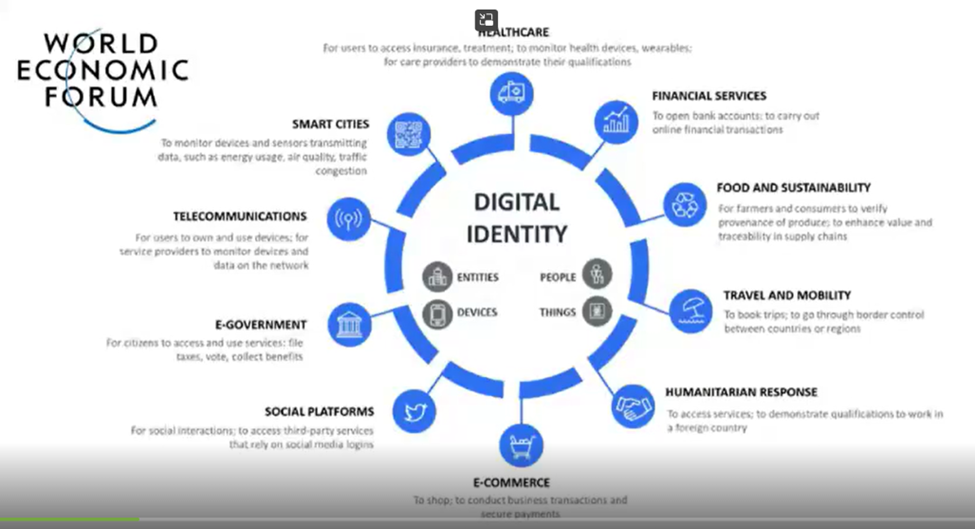
Frankenscience . . . Augmented humanity; the rise of a techno-religion; transhumanist vision of the future; technology confers power:
AI: Transhumanism and Playing God (rumble.com)
~~~~~
Be Aware!
5G FEMA & FCC Plan Nationwide Emergency Alert Test for October 4, 2023
The national test will consist of two portions, testing WEA and EAS capabilities. Both tests are approximately 2:20 p.m. ET on Wednesday, Oct. 4. The WEA test will be directed to all consumer cell phones.

~~~~~
Marching Toward a Technological Tyranny – In The Tank #416 – The Heartland Institute
~~~~~
Informed Dissent:
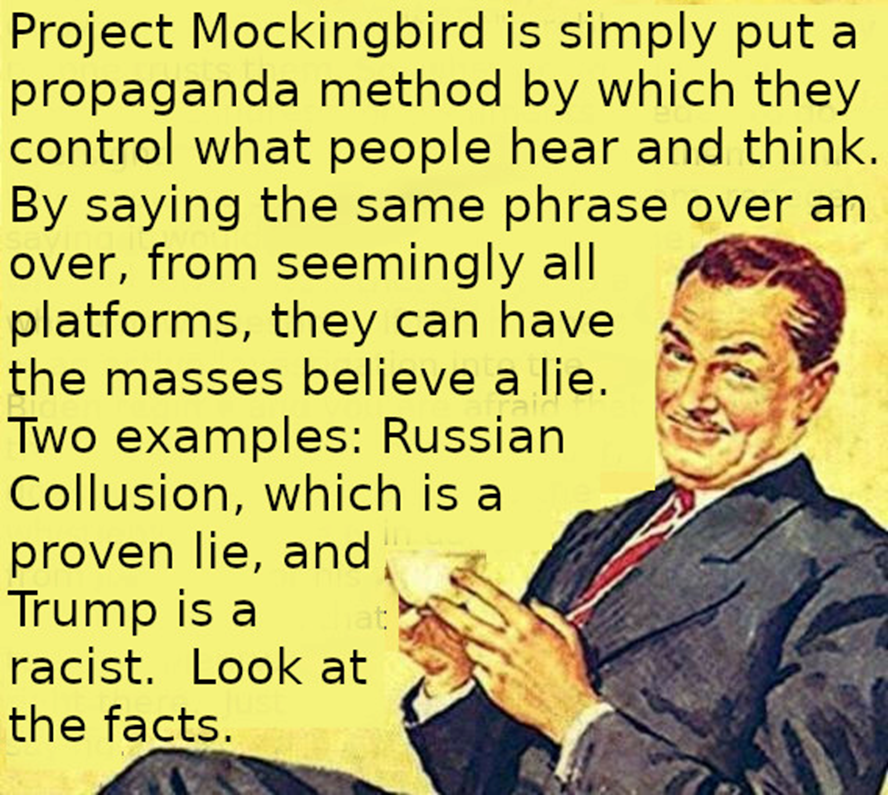
With the advent of technology, particularly the internet – the ability of many different factions to use propaganda has only grown.
Propaganda and The US Government: (substack.com)
FDA commissioner, Investment fund manager, Pfizer Board of Director member, CIA advisor and Corporate Media Shill
Scott Gottlieb’s Role in Creating a New Intelligence Office (substack.com)
WORDS MATTER – THERE IS NO MENINGITIS VACCINE.
Shining a light on meningitis – STAND FOR HEALTH FREEDOM
“The most important change to make is cutting out industrially processed seed oils, which are misleadingly labeled as vegetable oils. Examples of seed oils high in LA, which will radically increase oxidative free radicals and cause mitochondrial dysfunction,17 include soybean, cottonseed, sunflower, rapeseed (canola), corn and safflower.”
Link Between Insulin Resistance and Disease Acceleration (mercola.com)
We must protect our food supply from transgenic edible plant vaccines:
Call your rep to stop research from happening, stop its funding in the farm bill.
US House REpresentative Thomas massie on food transparency – STAND FOR HEALTH FREEDOM
10 Things to Know About DNA and RNA Vaccines for Livestock (mercola.com)
The Beef Initiative – Championing localized food supply
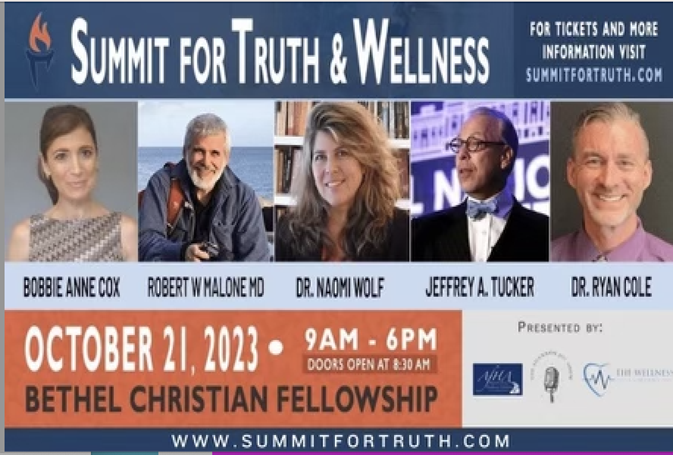
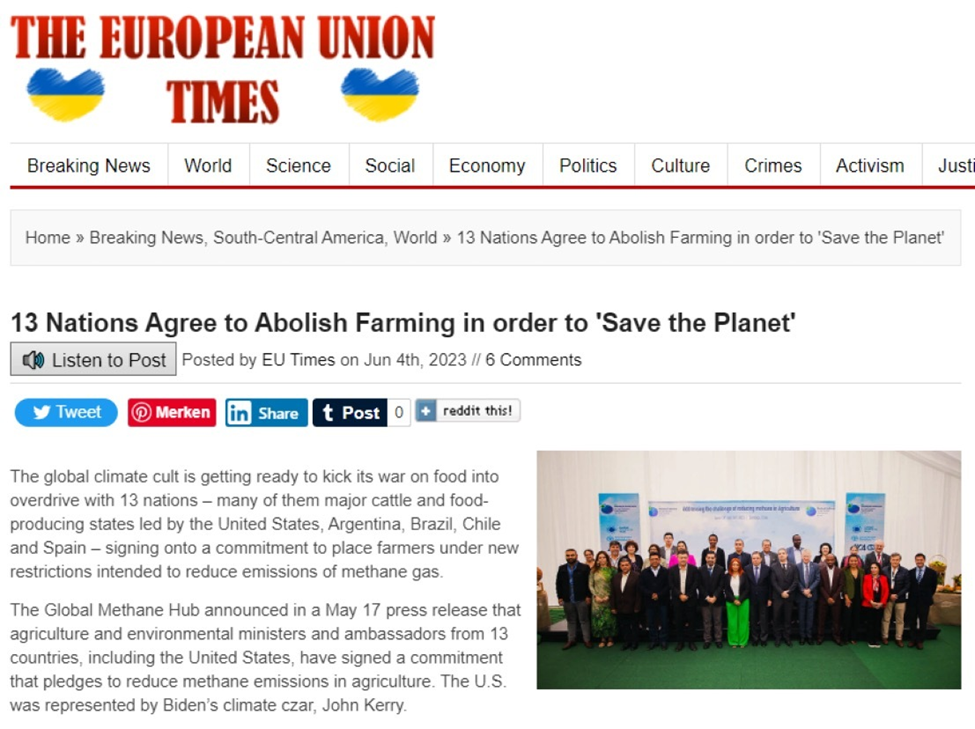
Technocracy: ‘Sustainable’ Is The New Code Word For Genocide – David Icke
No farmers, No Food! Klaus Schwab should be forced to eat shit (rumble.com)
~~~~~
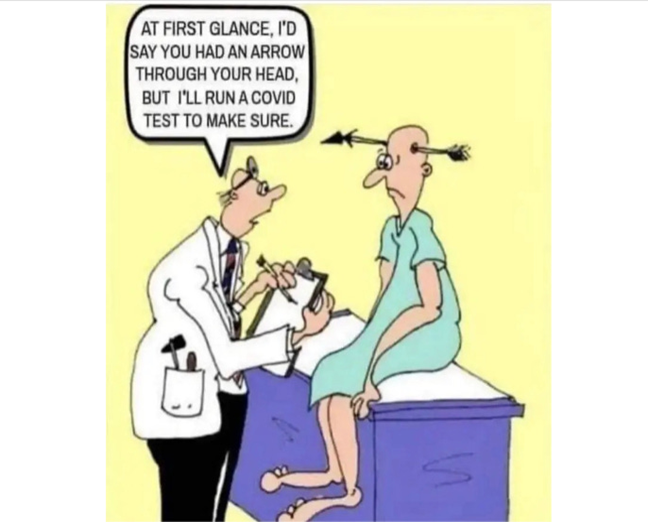
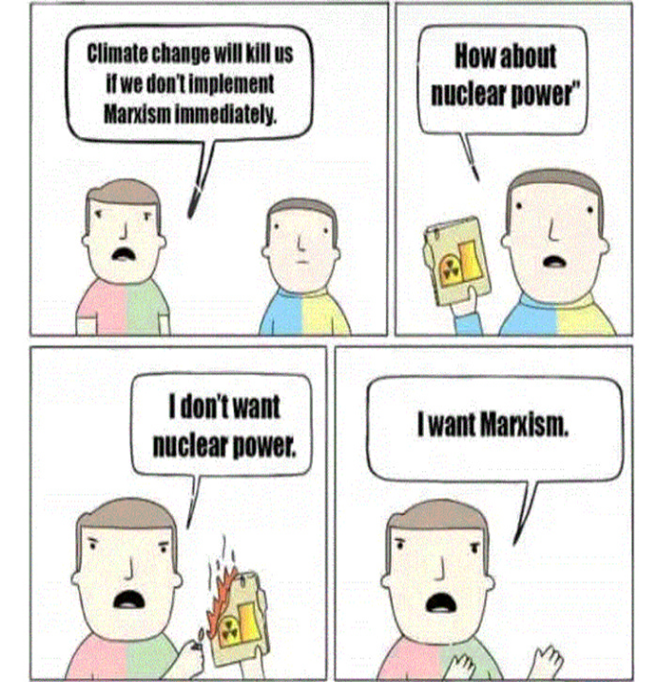
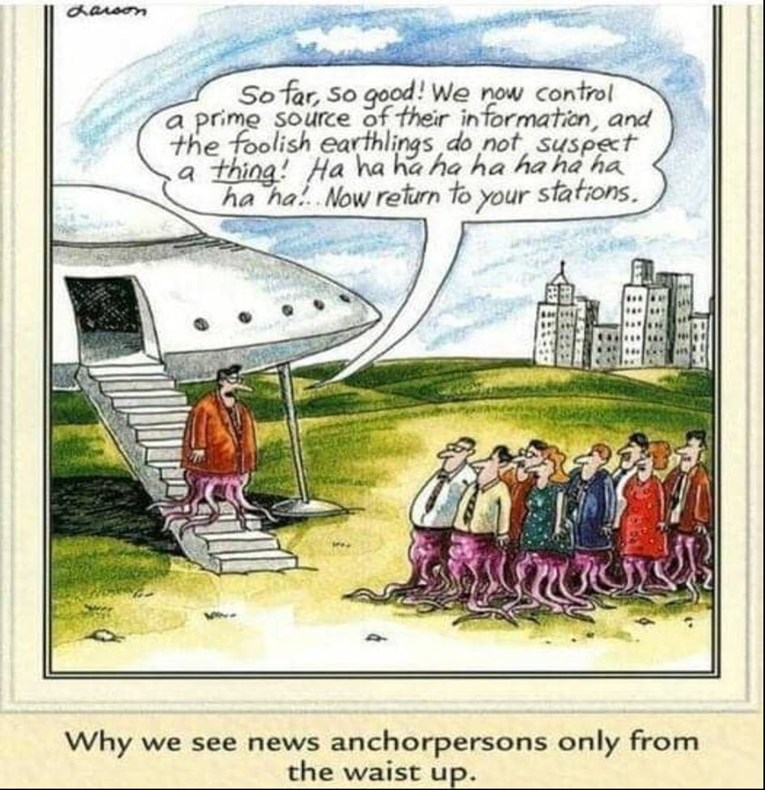
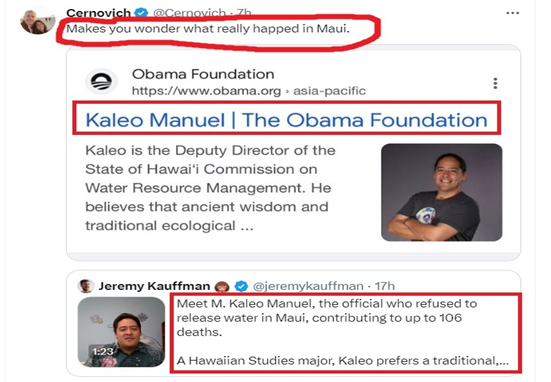
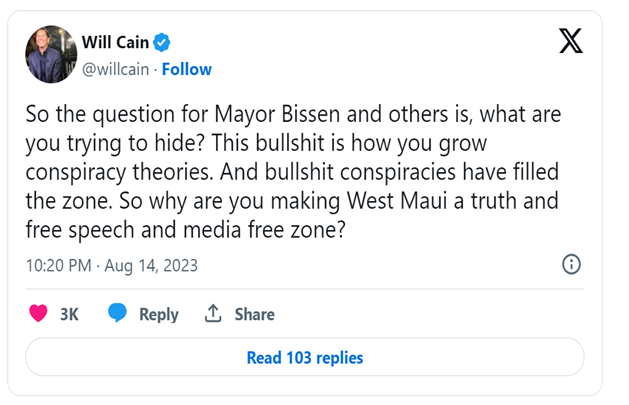
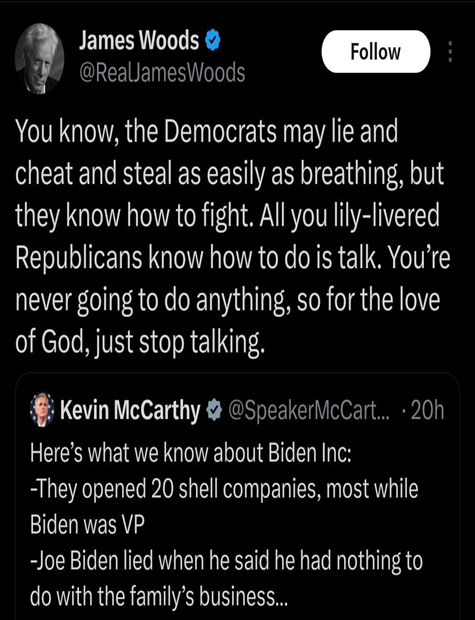
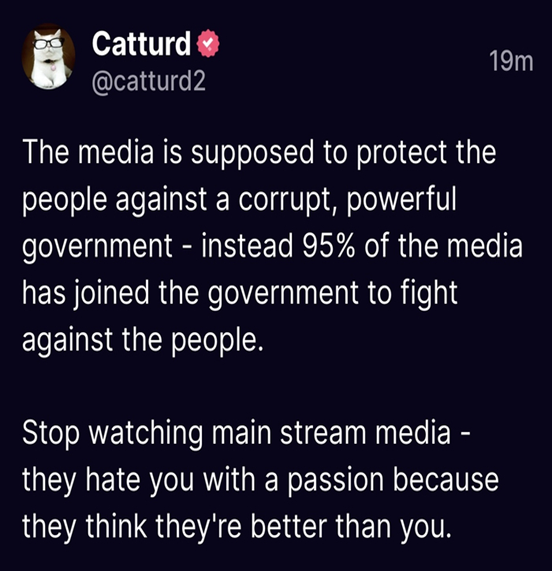
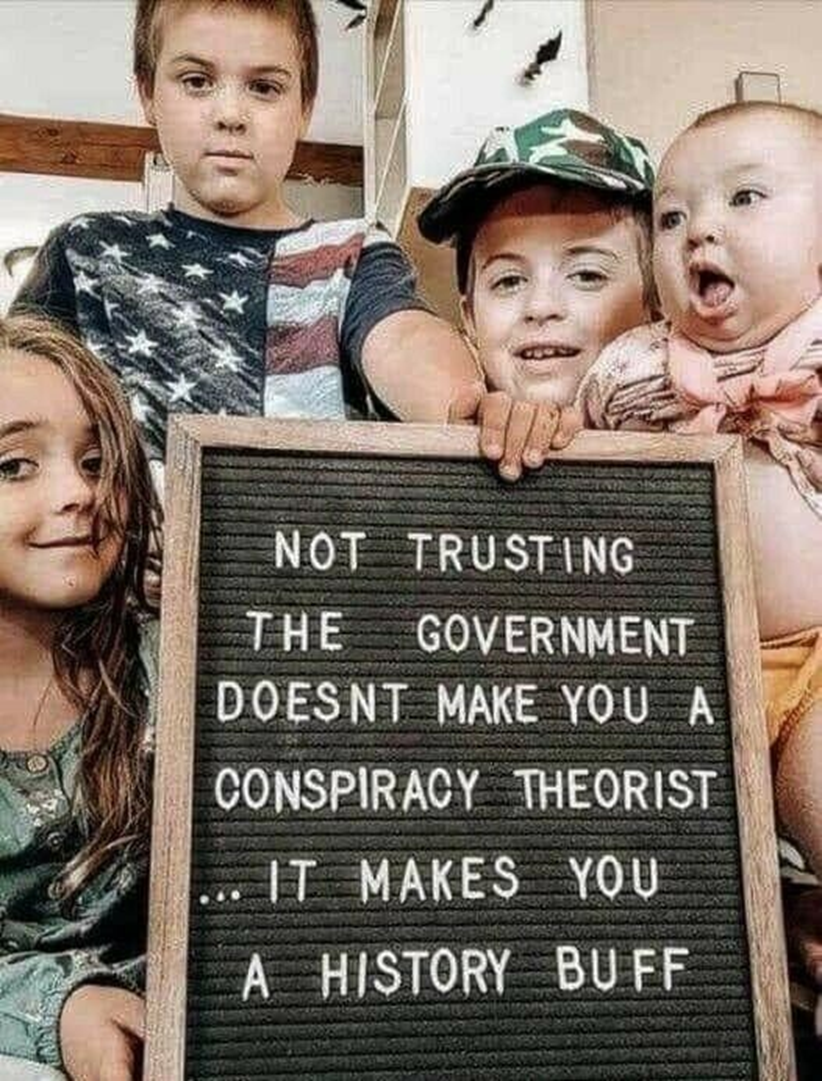
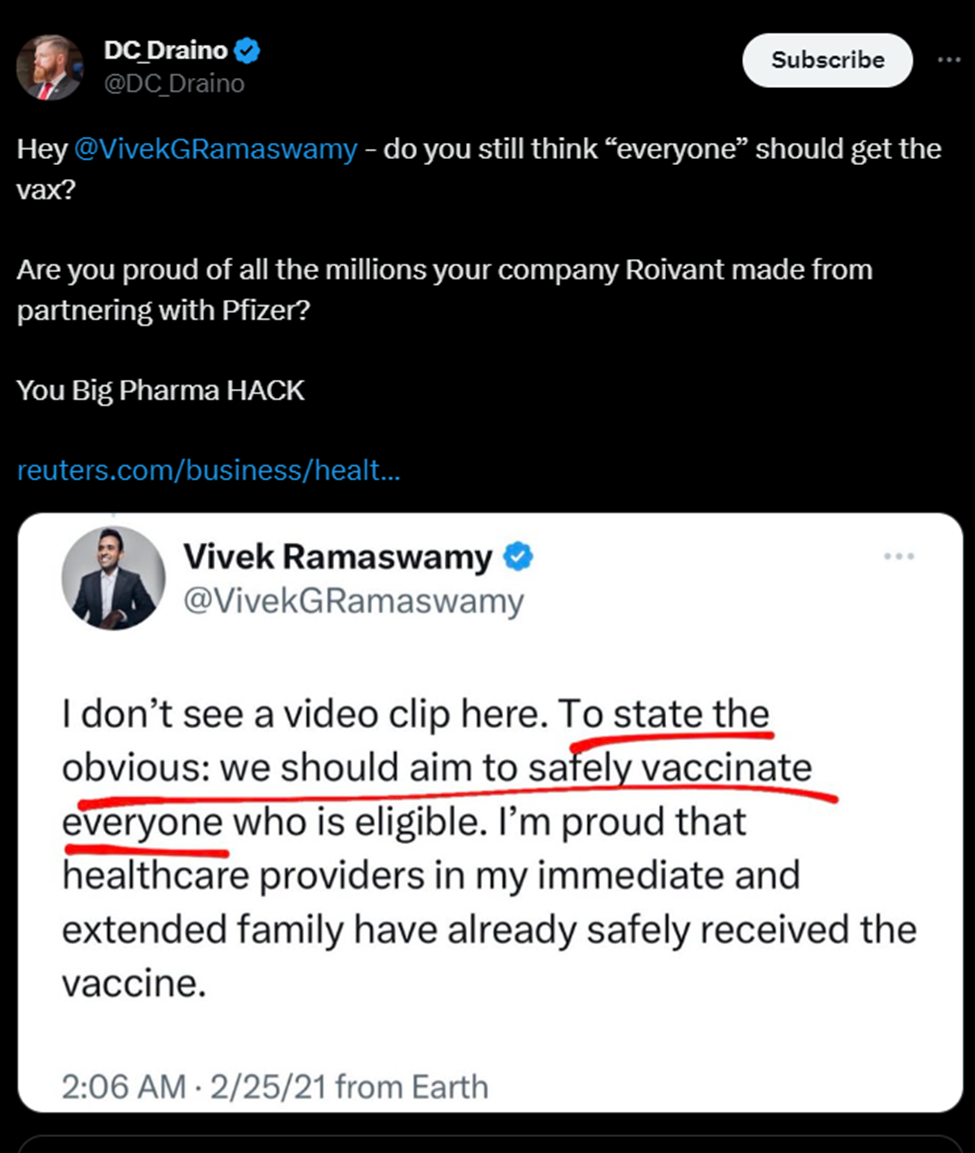
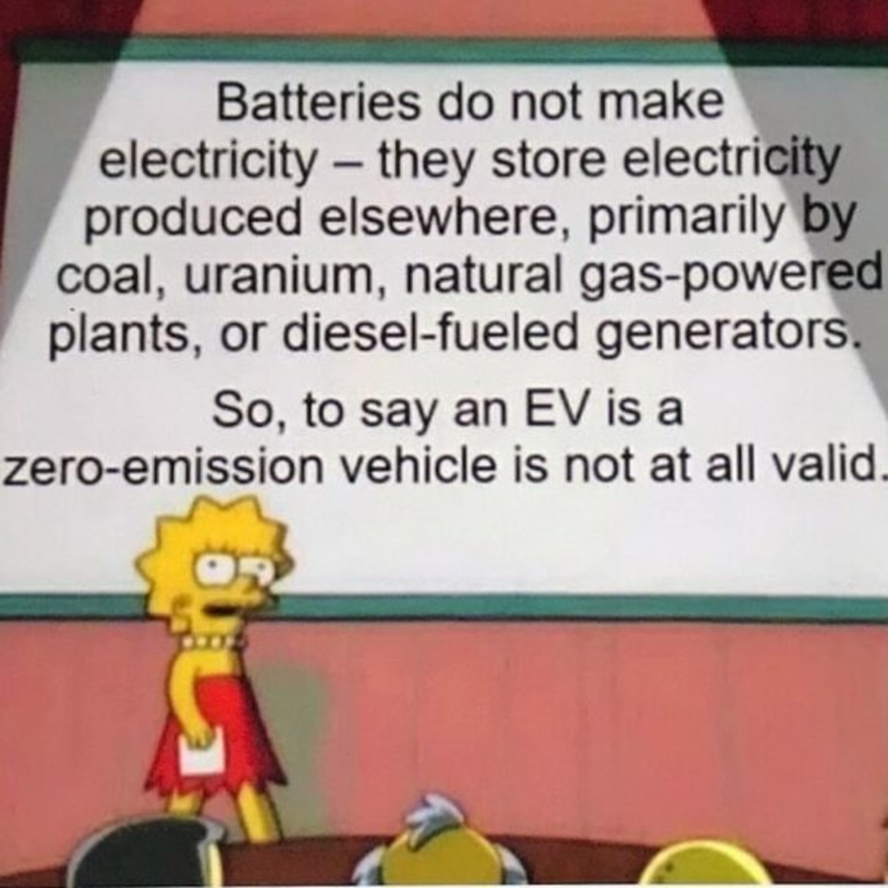
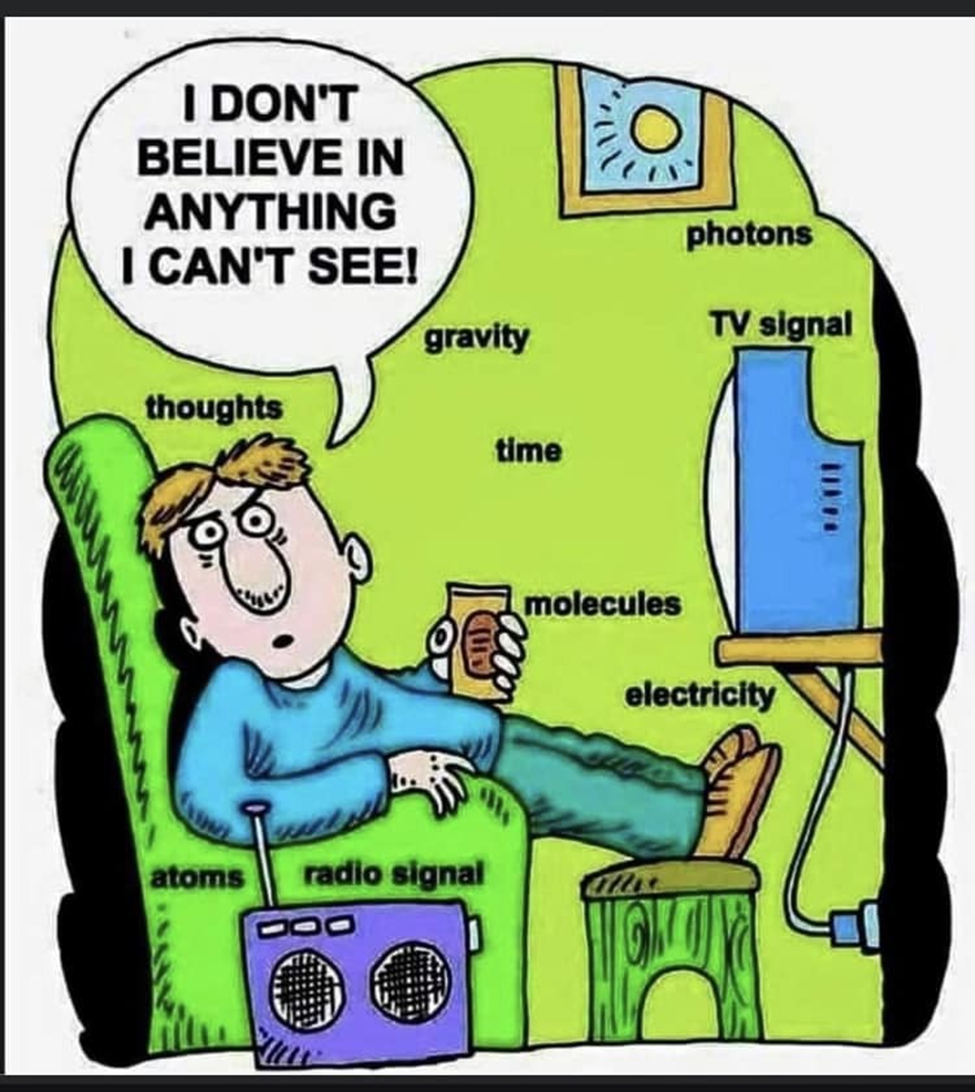
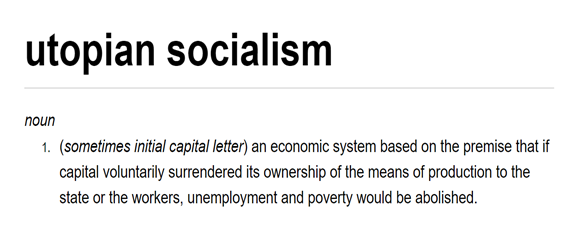
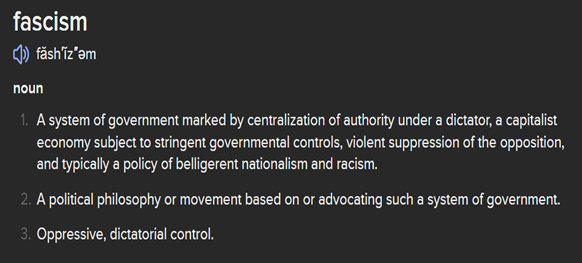
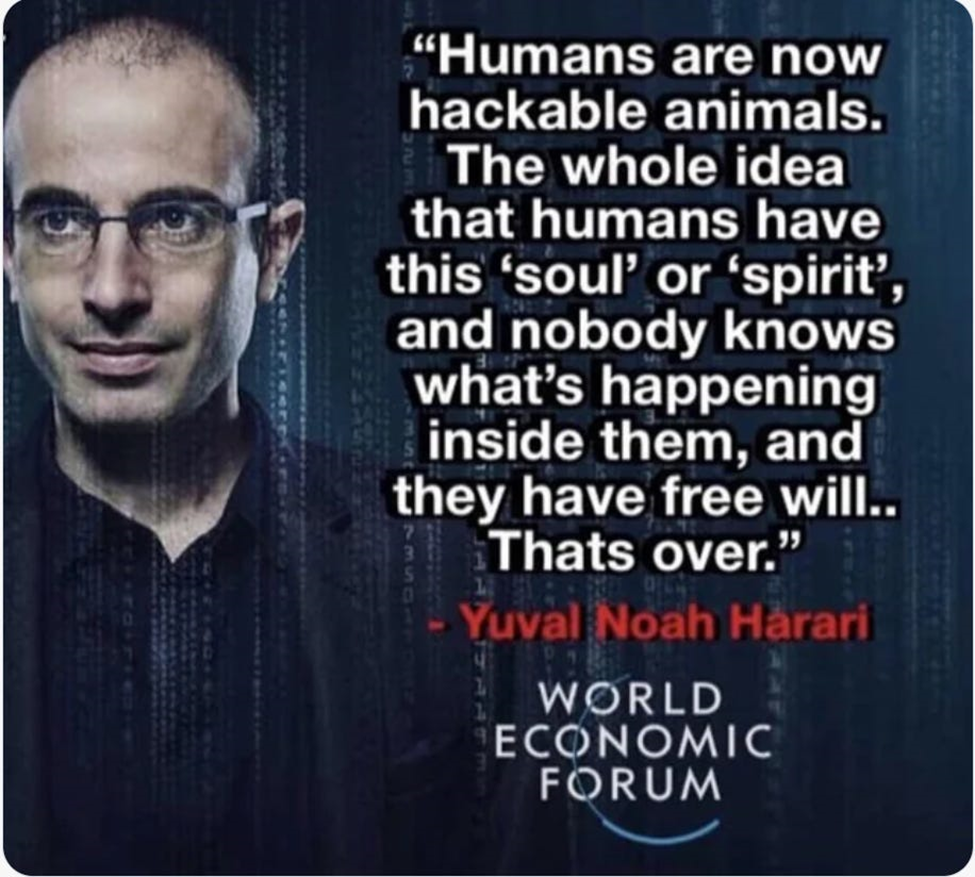
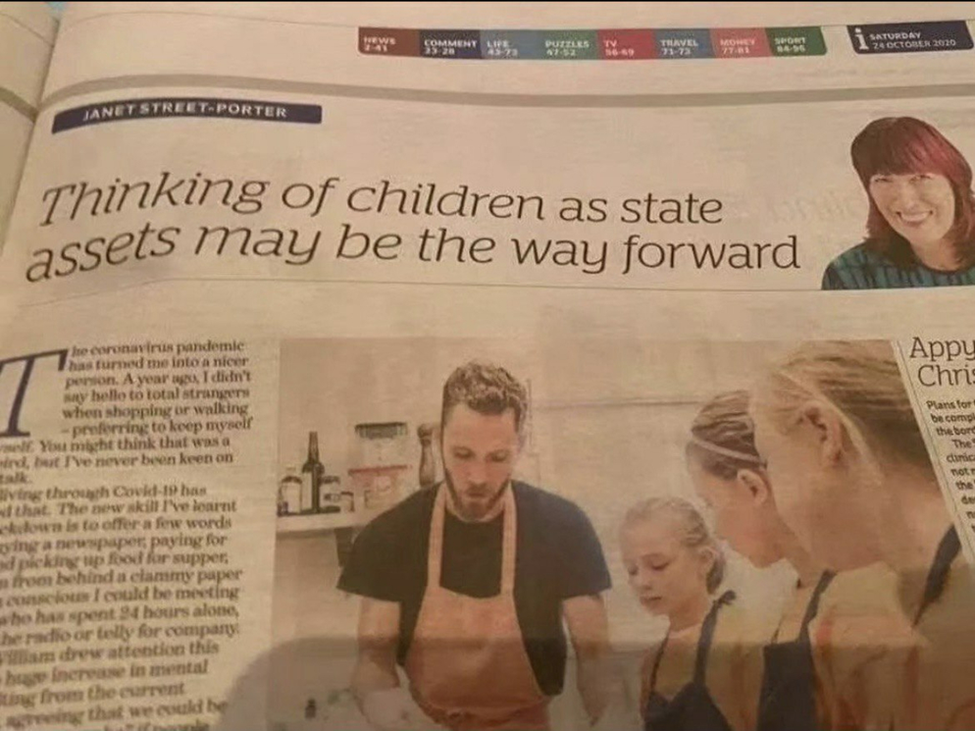
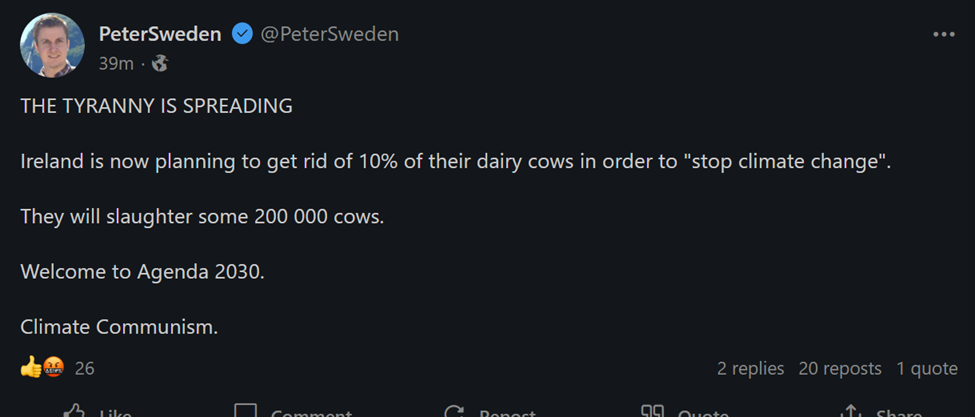
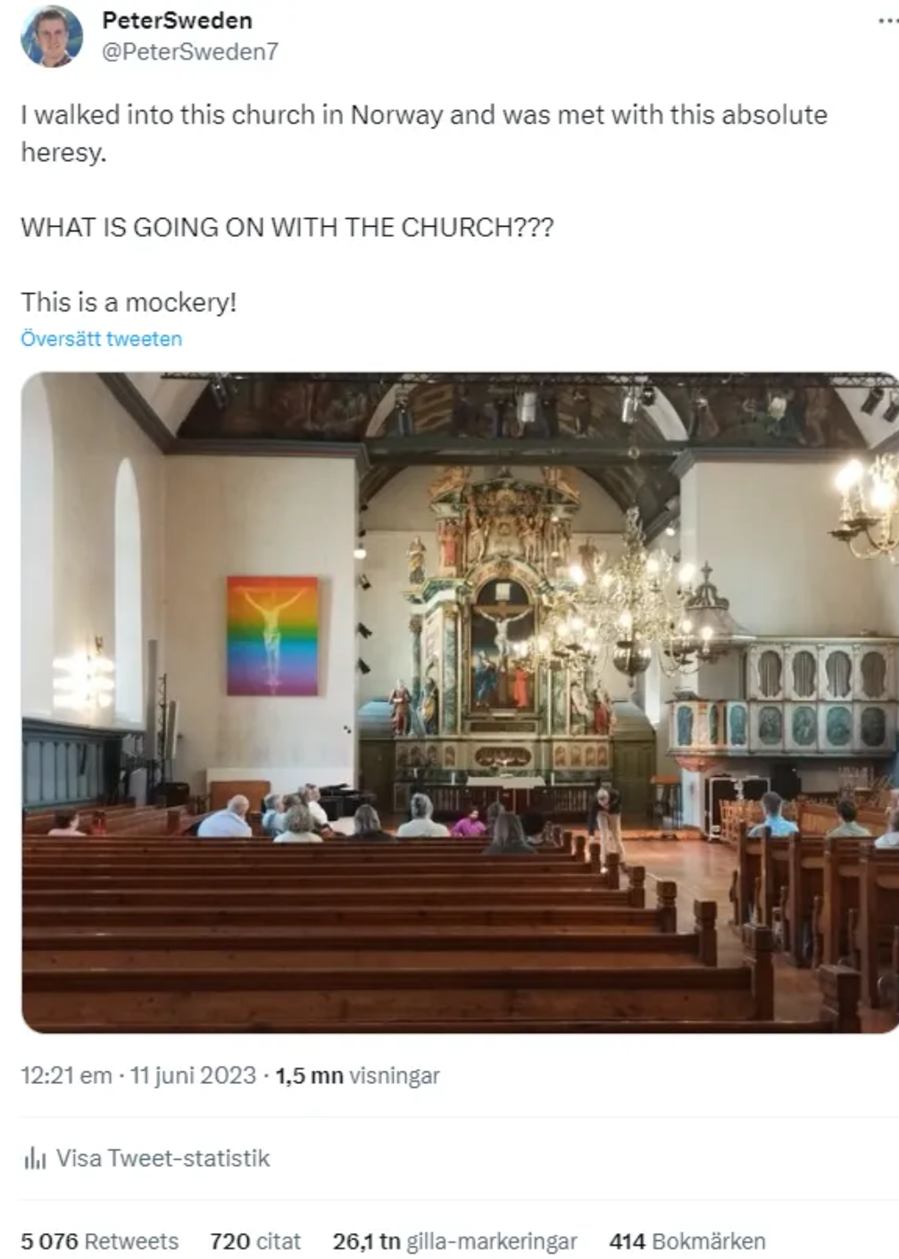
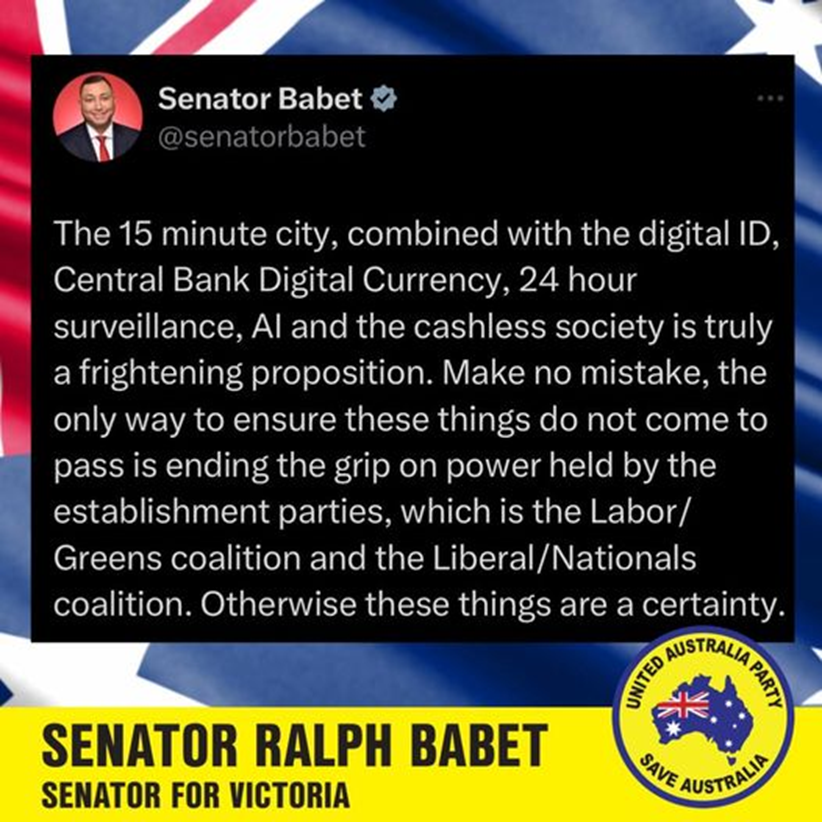
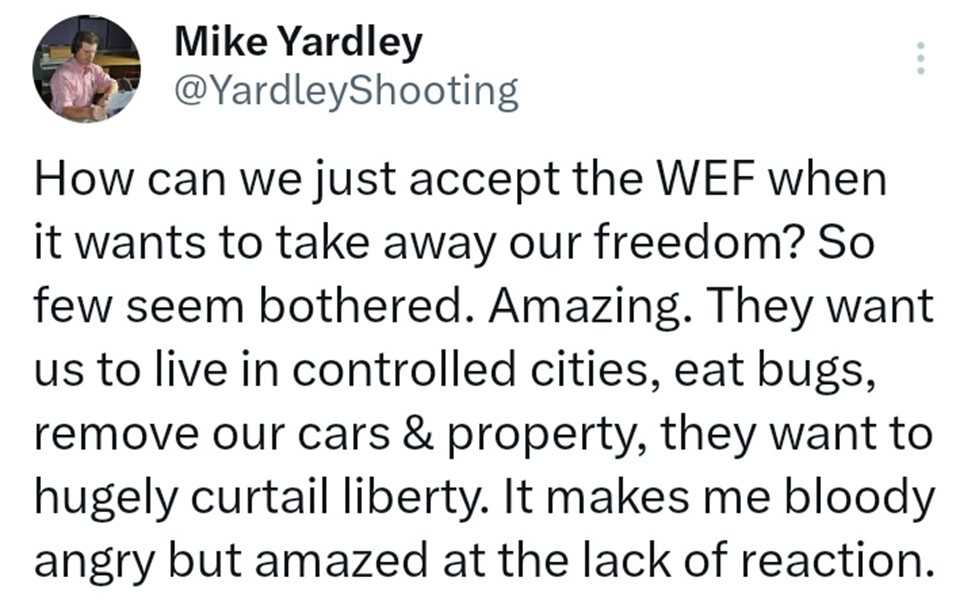
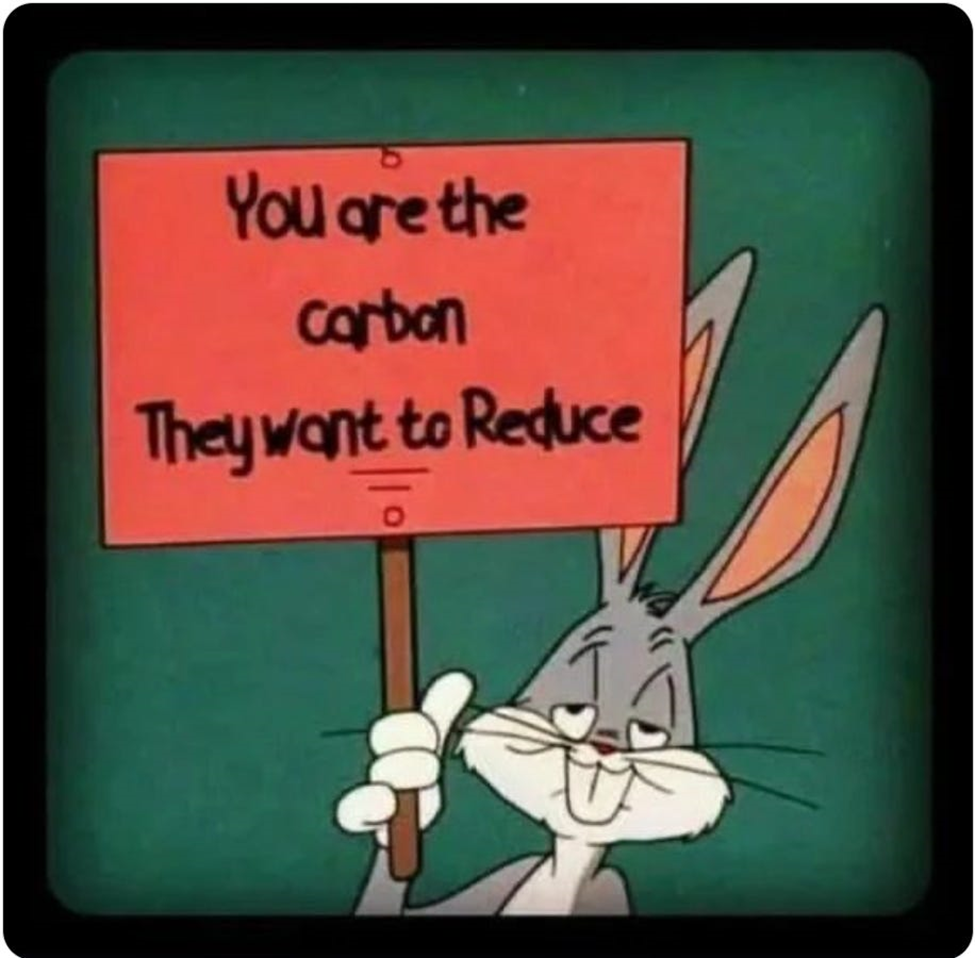
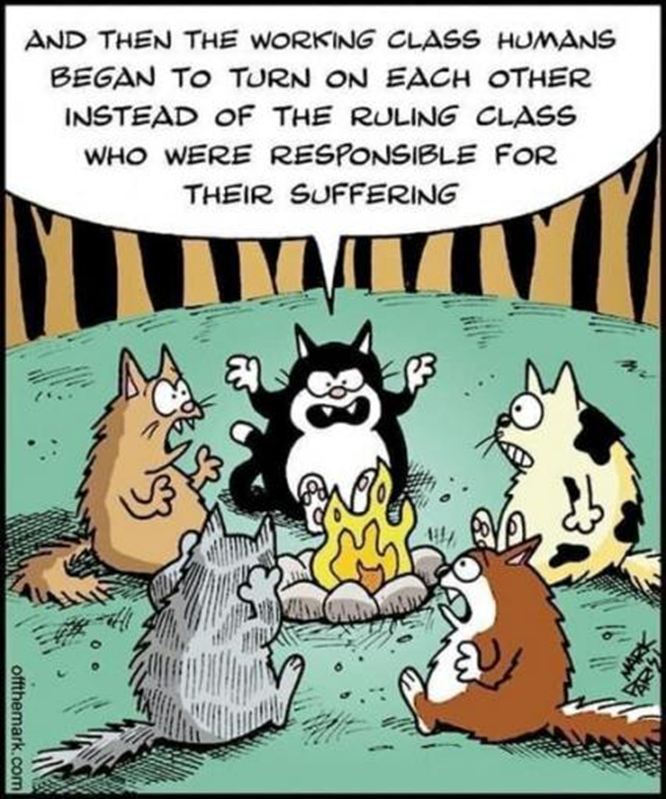
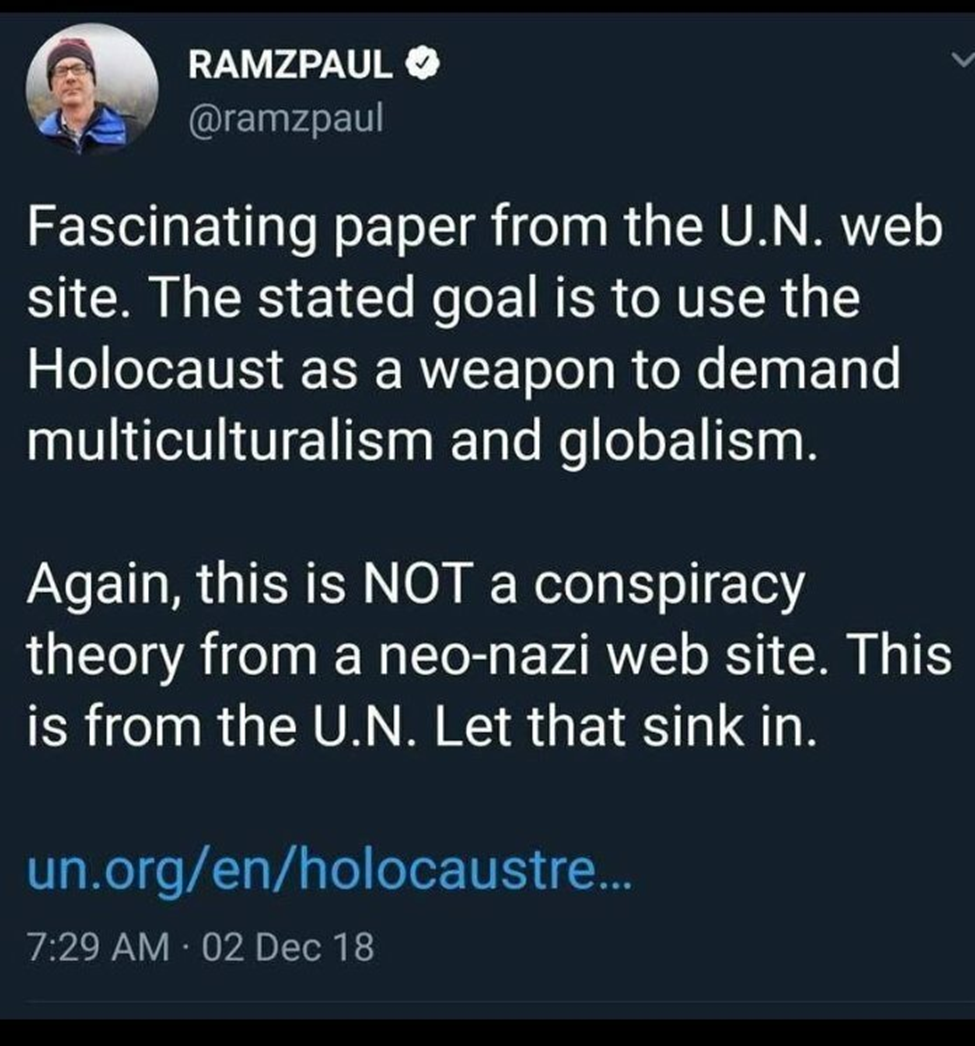
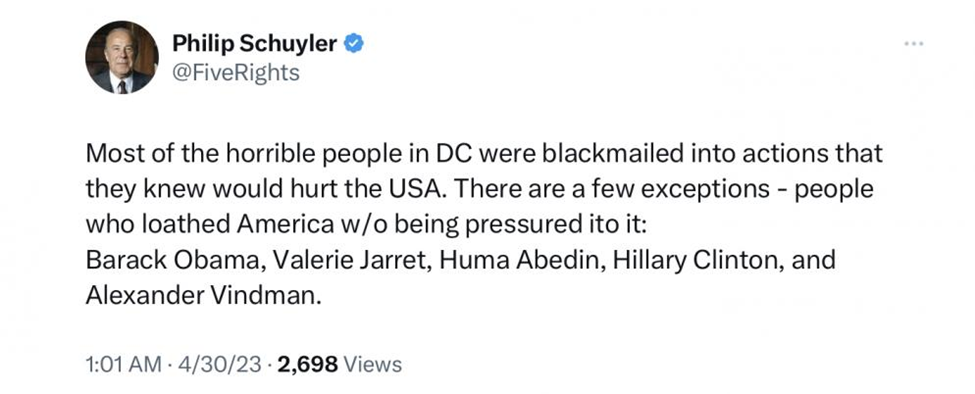
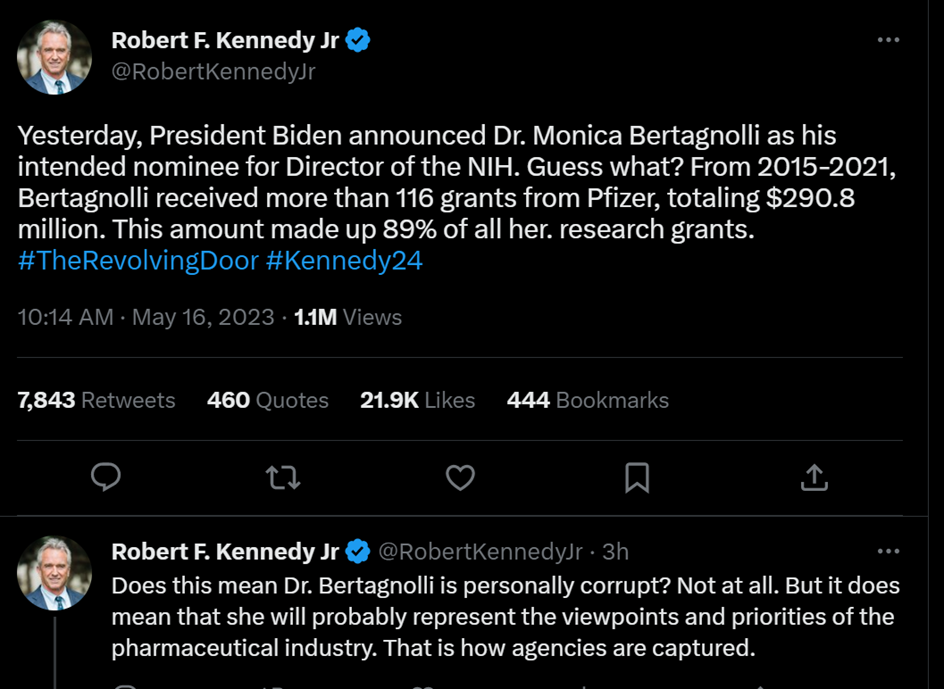
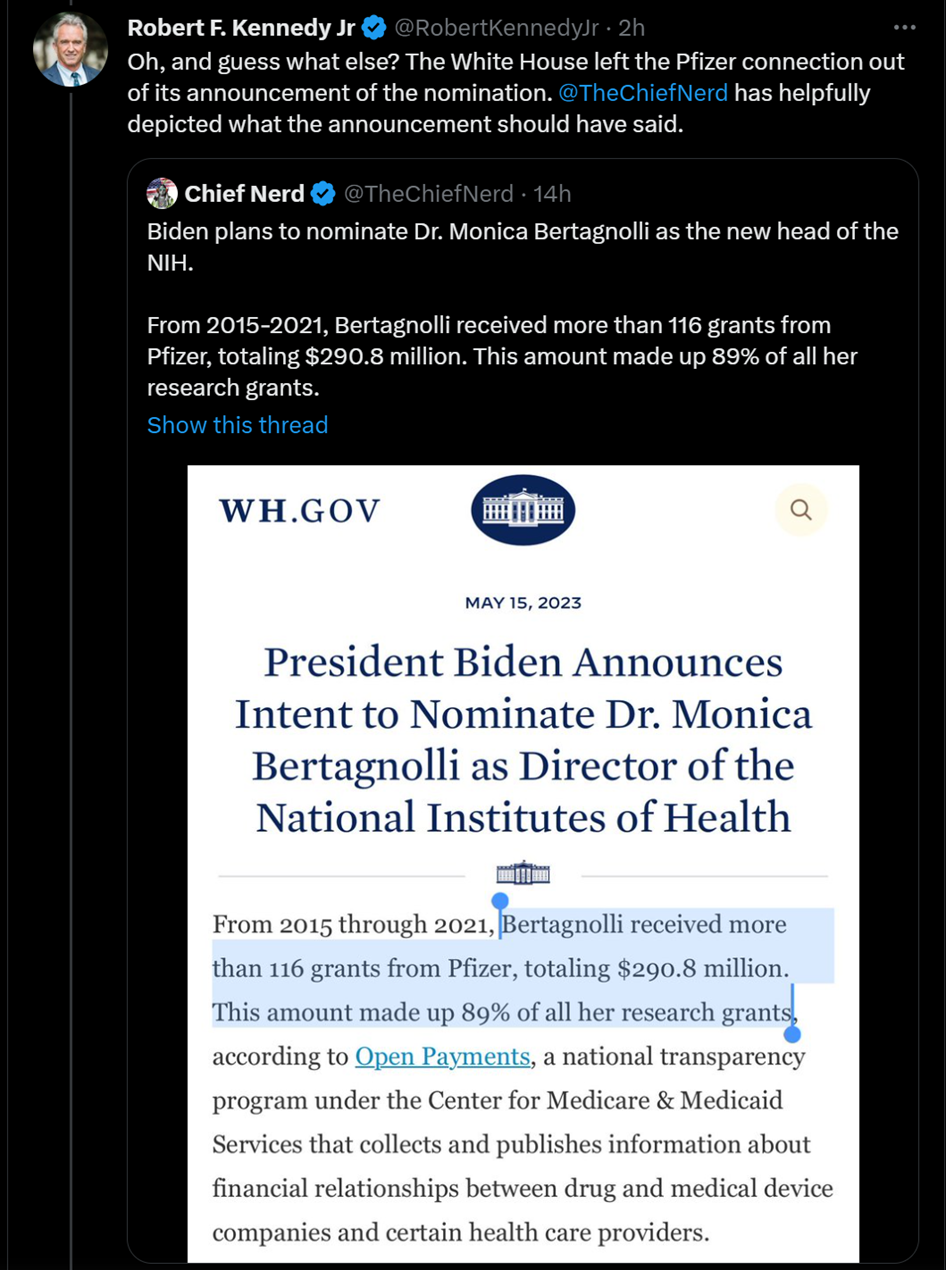
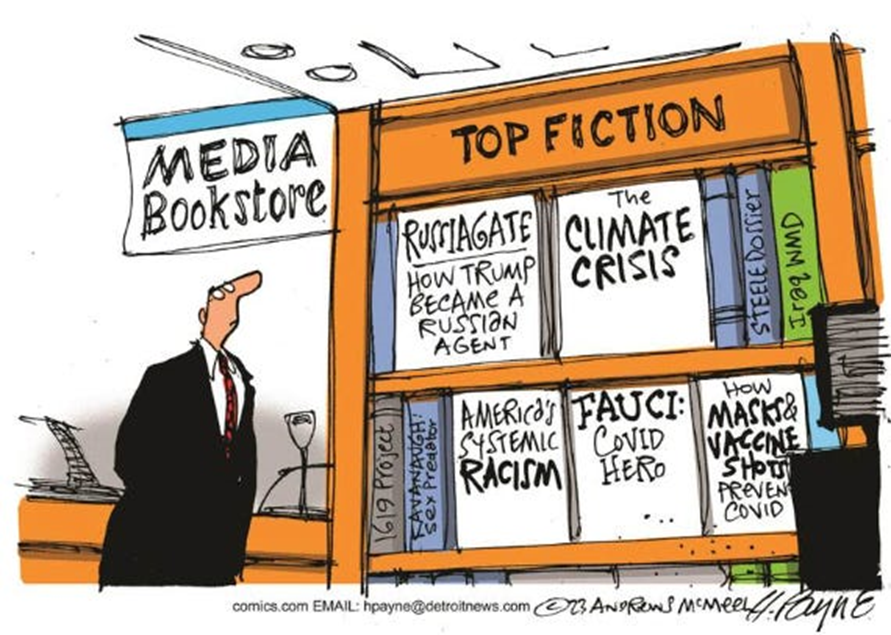
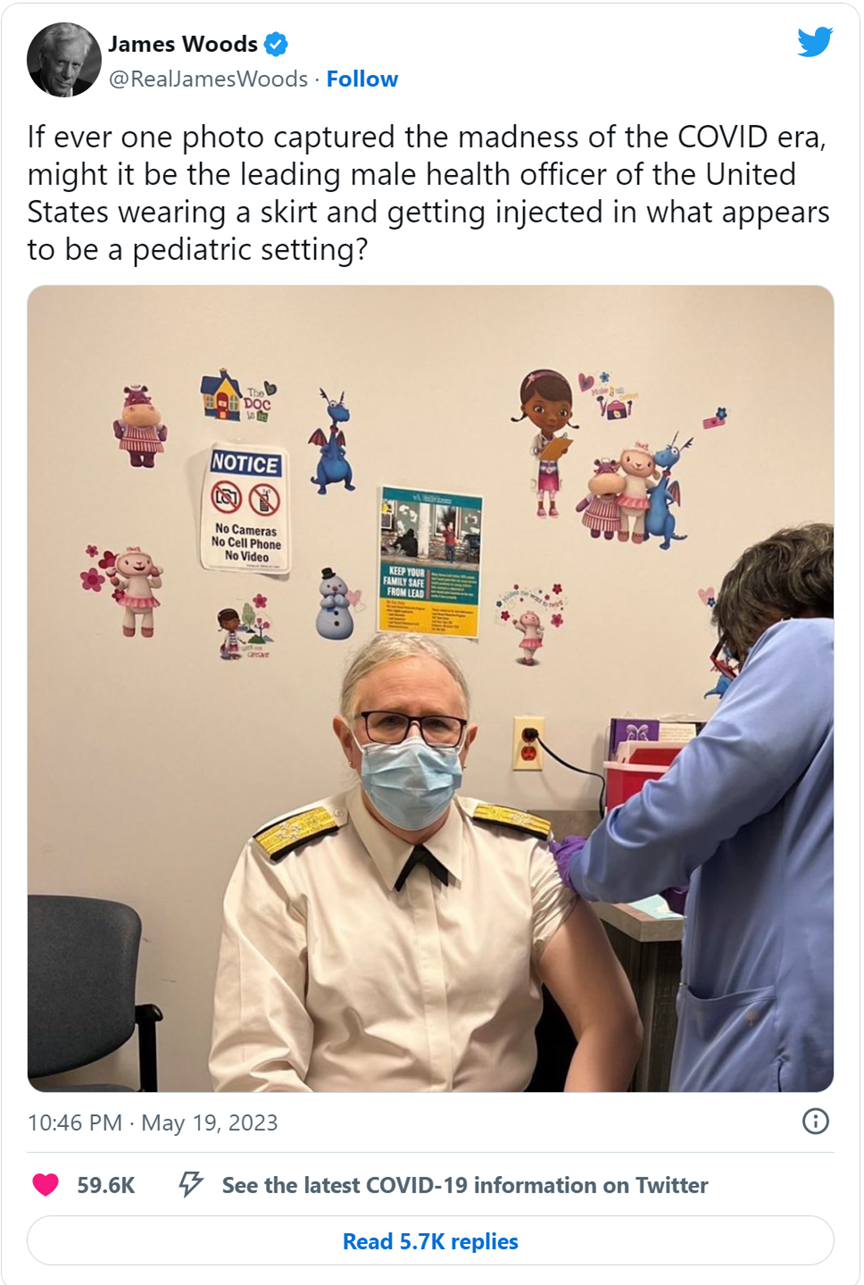
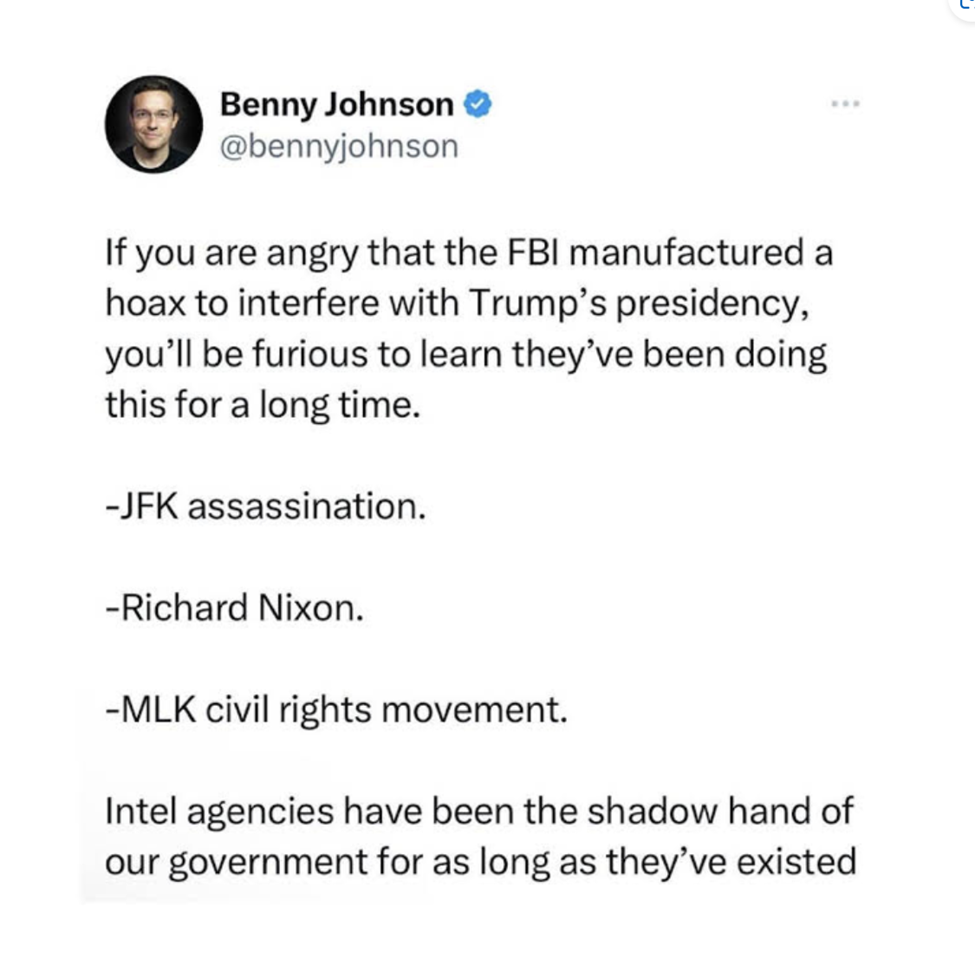
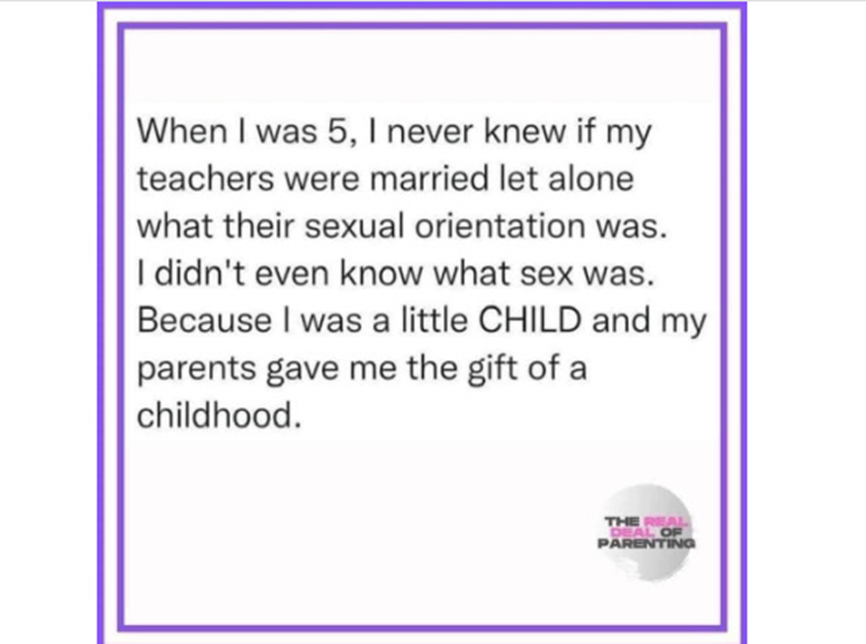
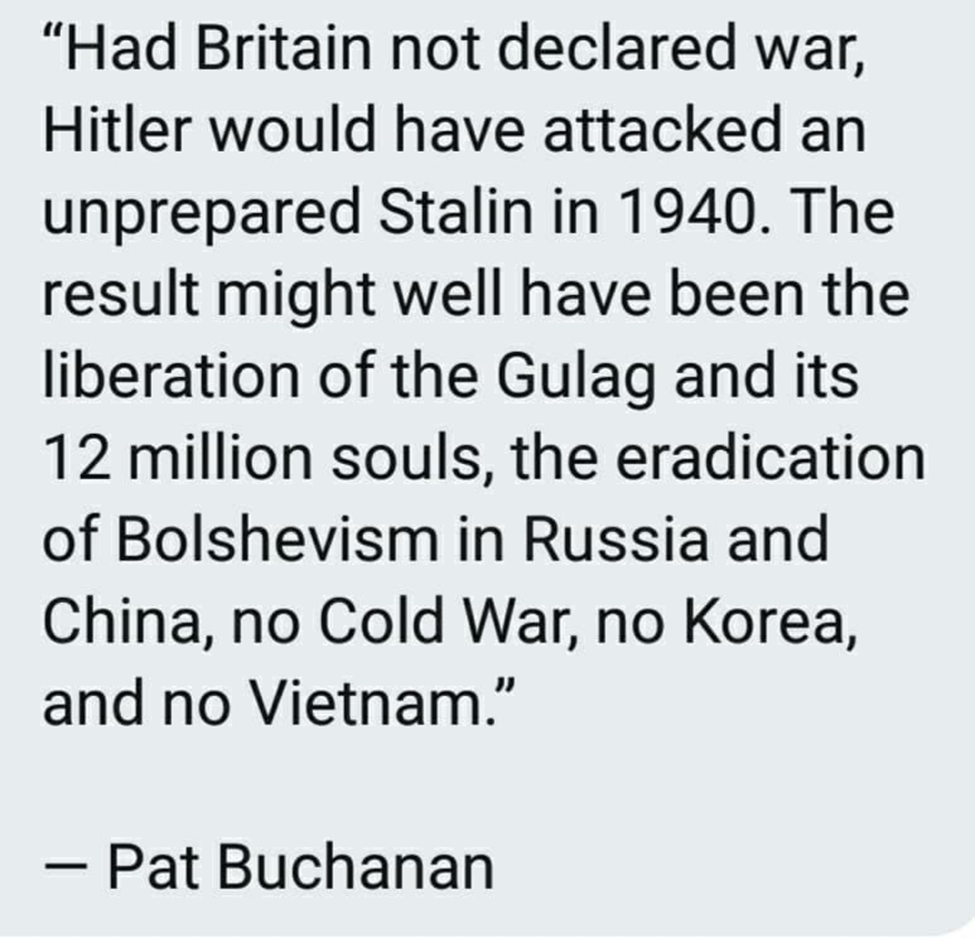
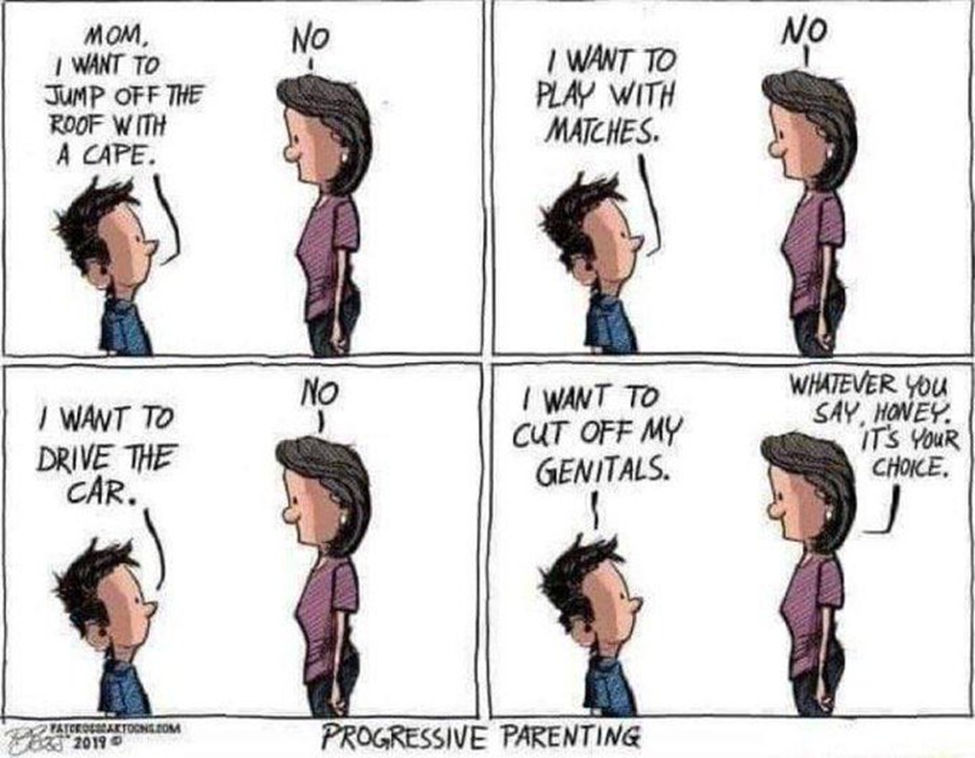
The perversion of science:
















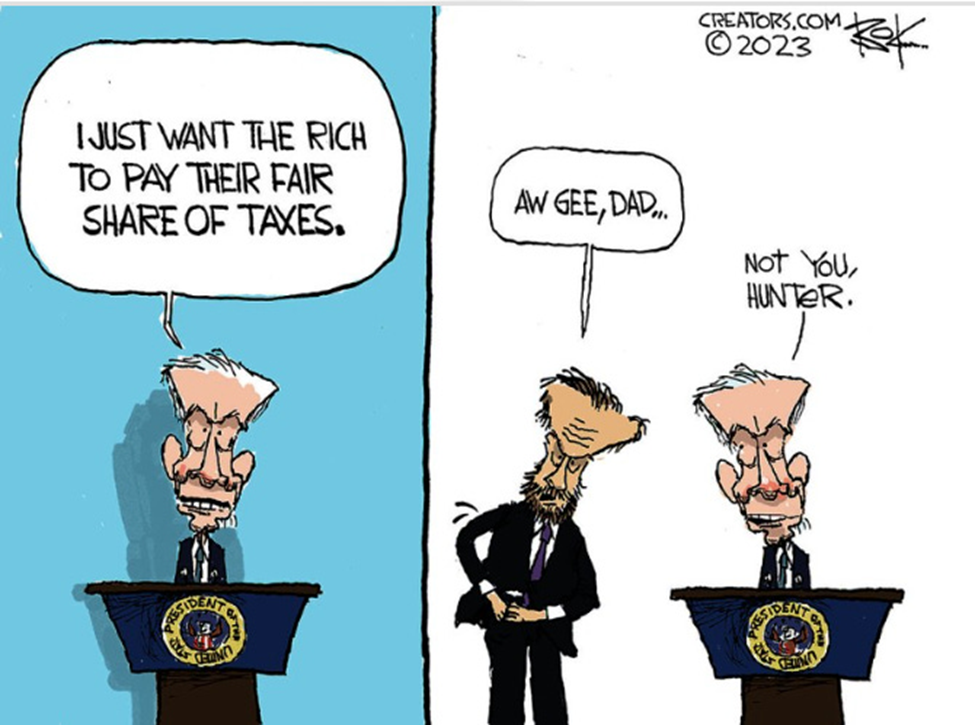


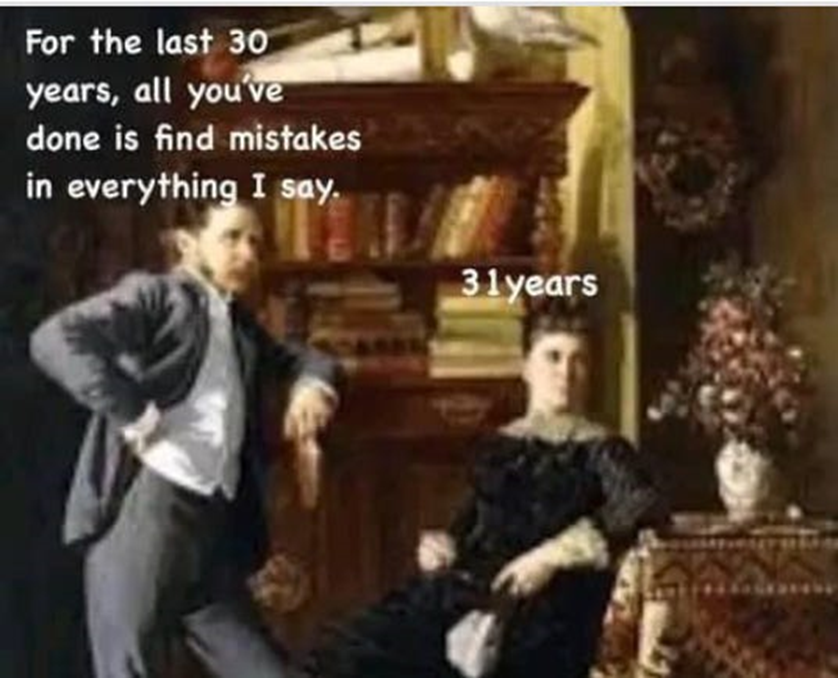

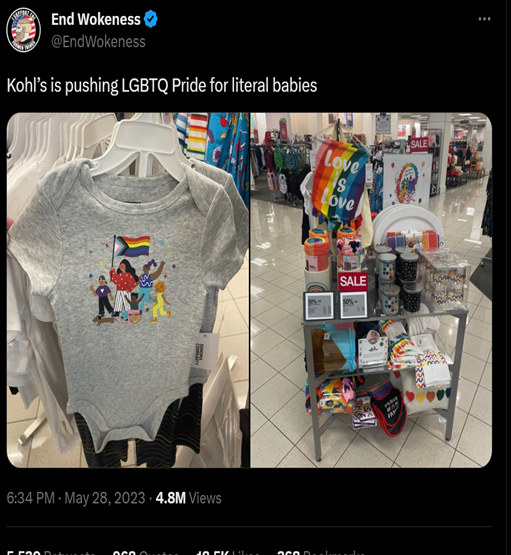
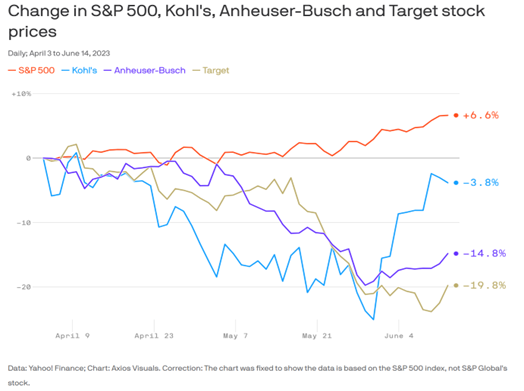




















 Cindy Wity
Binary Beckons for More from You
October 15, 2023 Leave a comment
Two options guided my early incorrigible years: “Either you do what I say or your father will deal with you when he comes home” “Either you clean you room or lose your allowance” “Either you are home by 9 or you will be grounded.” The church, too, presented two stark choices: “Either you get saved and go to heaven or you go to hell”; “Either walk the straight and narrow or walk the wide way of the world.”
The either/or binaries of my early childhood were meant to prepare me for life. I learned that if I wandered off into “or” territory there was sure to be consequences. My parents guided my behavior from their own experience of walking within binary guard rails.
They had learned that from the simplest safety issues to the most important issues in life, honest straightforward either/or choices are required. My late mother shared one such either/or choice.
My father, having grown up in the Dutch Reformed church where smoking was the norm for men, was given a choice by my mother when she was dating my father: “Either you stop smoking or that’s it.” Thankfully, my father didn’t “or” the situation. I wouldn’t be here if he did.
With knowledge of their own either/or choices and exposing me to the either/or choices of the book of Proverbs, my parents either/or’d my youth. Binary guard rails were set in place for my time in Jr. High and High school.
When I attended Moody Bible Institute after high school (early 70s), the binary thinking infused in me by the church came into question.
A first-year class called “Personal Evangelism” was taught by Mr. Winslett. During that semester Mr. W described different religions. As he did so he labeled the churches of the Seventh Day Adventists, Mormons, Jehovah’s Witness and others as cults. When he came to the Catholic church, he said it was a cult because Catholics worshipped Mary, had a pope, and put tradition ahead of scripture. I remember hearing this and thinking that we’re better than all of them. But something felt off.
(Per Article I of The Chicago Statement on Biblical Inerrancy found on the Moody Bible Institute website, the Bible, not tradition, is the authoritative Word of God.)
The highly partisan Mr. W, a representative of MBI, had sallied Catholicism: MBI represented real Christianity and Catholicism, a “cult”, did not; either you are with us in Bible first thinking or you are not one of us. (Mr. W was the only teacher I met a MBI like this. But there are many who preach and teach the same binary “us and them” thing.)
I was raised Protestant. Differences of Protestantism and Catholicism were minimally noted in my church. But I had read about Luther, the Ninety-five Theses, and the Reformation. I knew about the abuses and corruption of the Catholic church. Those include Johann Tetzel selling indulgences.
But faith in God and his salvation coupled to Mary, the pope and tradition were not Christianity deal breakers for me. For without faith it is impossible to please God, because anyone who approaches Him must believe that He exists and that He rewards those who earnestly seek Him.
Instead of imposing exclusionary theology, abide by the words of the old hymn: “God moves in a mysterious way His wonders to perform . . . God is his own interpreter, and he will make it plain.”
Years later I came across the same “us and them” attack. I brought my daughter to an Awana program going on at a Baptist church. On the night that she and I were to race the Pinewood Derby Car we had crafted together, the speaker bad-mouthed the Catholic church during a promotion for the Baptist church we were standing in.
He said something to the effect that their Baptist church wasn’t like the unsound Catholic church. I was shocked. There were members of that Baptist church and other churches in attendance. What did they walk away with that night?
I’ve seen this attitude surface so many times by haughty either/or Protestants. I’ve also seen it in either/or Catholics. Both groups interpret Church teaching in a narrow way, then argue that whoever disagrees with their tightly wound interpretation must—by the fact of that disagreement—be in opposition to Church teaching. The Either-Or fallacy used by both Protestants and Catholics: “I can’t be in error therefore YOU must be!”
Another anecdote of the “us and them” attitude: One night I was sitting in a donors meeting listening to a presentation. The Episcopal church I attended wanted to annex and refurbish the house next store and make it ministry usable. At front and center of the room that night was a picture board showing the proposed design. The crossway from the existing church building to the house showed a cross in relief in the arc above the passageway. One woman remarked that we should get rid of the cross because “we’re not Baptists.”
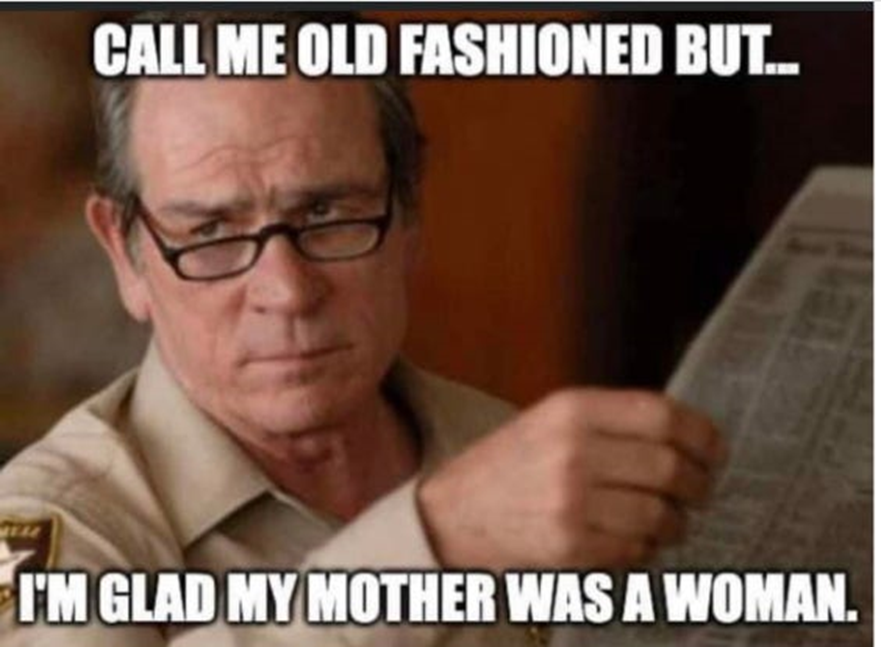
Look. Our family and church backgrounds teach us to think in opposites – basically in terms of good and bad. We are presented with two options and they appear as your only options and mutually exclusive. We then bring unmediated polar extremes into adulthood.
Either/or thinking integrated into our lives and then reinforced by our respective cultures can produce a worldview in stringent binary terms: as a one or zero. Black-and-white thinking is used to reduce the world to something we can handle which then provides a sense of certainty and security. But “a one or zero” thinking can be adversarial, dividing people into “us vs. them.” A few examples:
“I am right and you are wrong.” (How does that work out in marriage? With our neighbors?)
“If you’re not with me, you’re against me. I have friends and enemies but not acquaintances.”
“Either I win or I lose in this situation.”
It can also produce all-or-nothing false dilemma fallacies which are really manipulative setups:
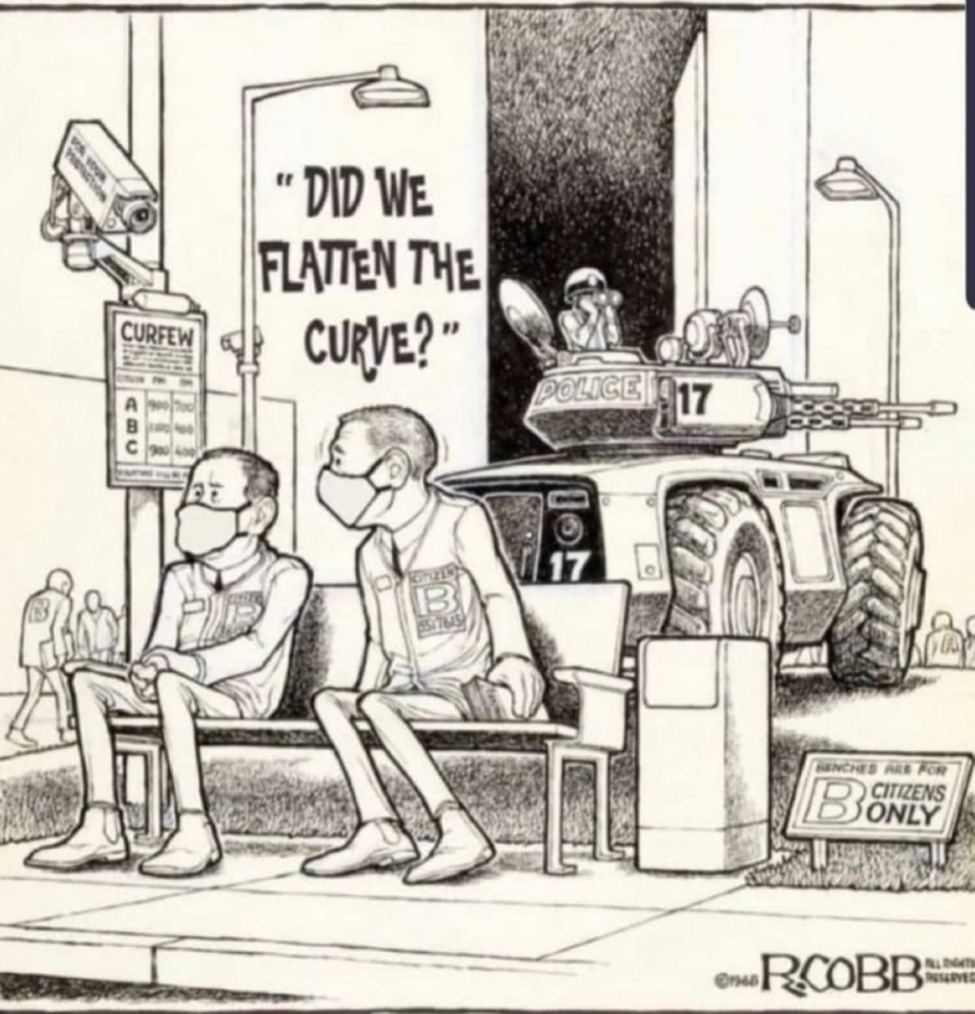
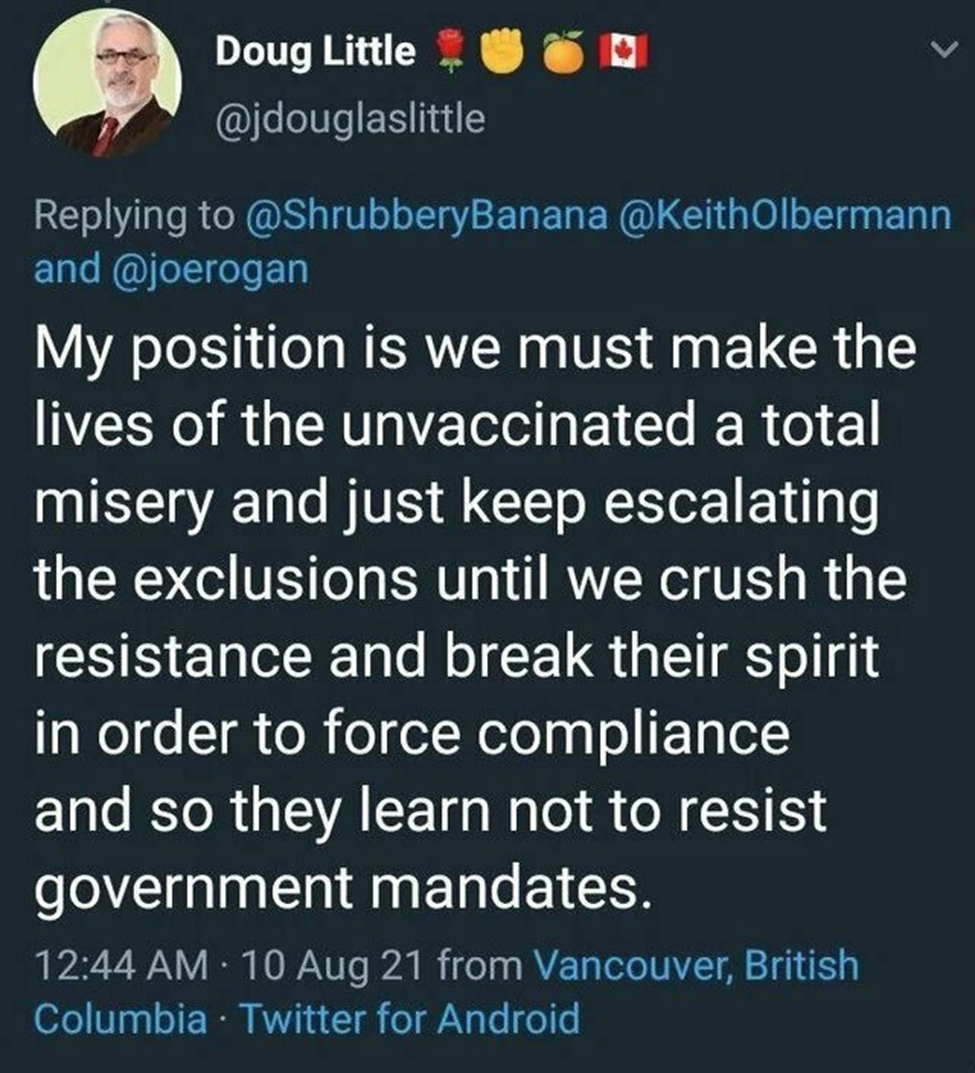
“If you care about your neighbor, you will get vaccinated” and “Putting others first will get us through he pandemic” “Getting vaccinated is loving your neighbor as yourself.”
“Social solidarity is the most precious tenet of our democracy.”
“You’re either pro-choice or anti-woman. There’s no other moral stance.”
“If you’re not part of the solution, you’re part of the problem.”
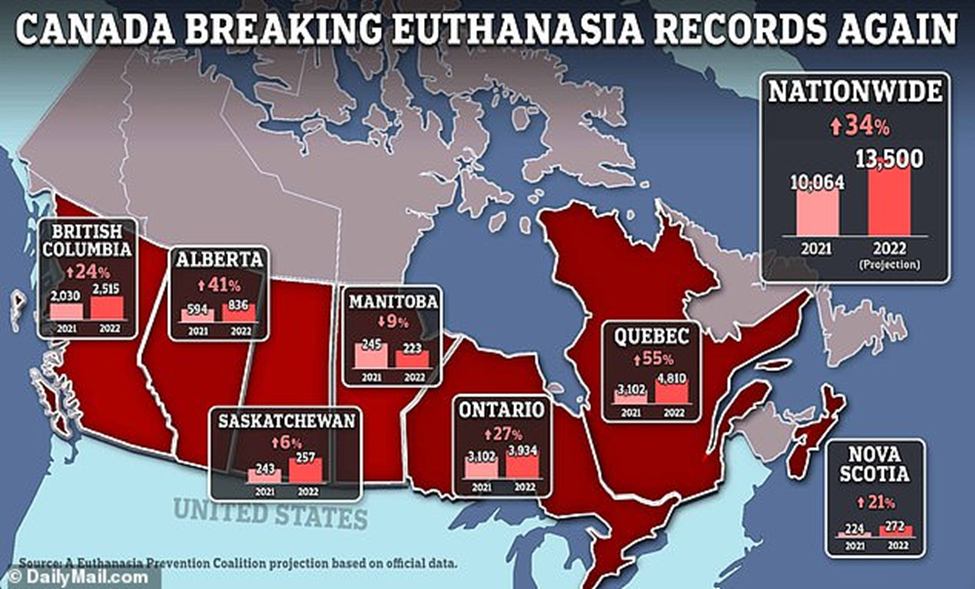
“Either you let your child change their gender or they will commit suicide.”
“You are either racist (by not agreeing with me) or you are anti-racist (by agreeing with me).”
“If you are against LGBTQ books in the library you are a book banner.”
“If you question what is being taught in public schools, you are a domestic terrorist.”
“If you question the 2020 election you are a MAGA extremist.”
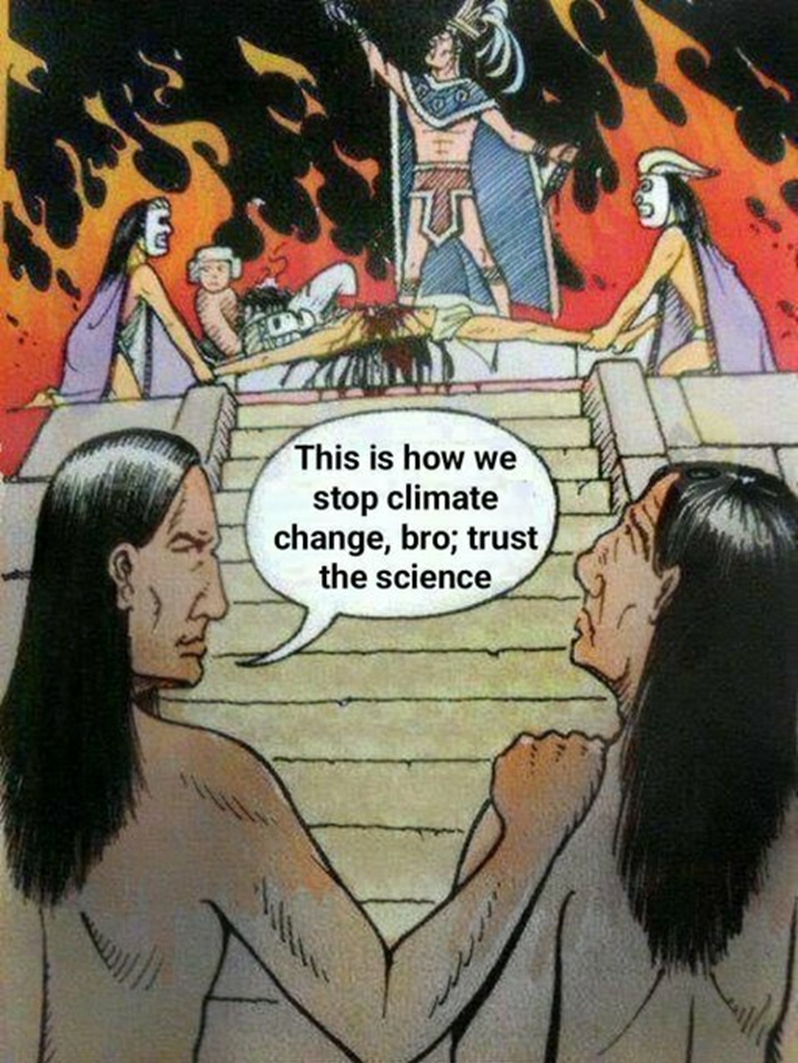
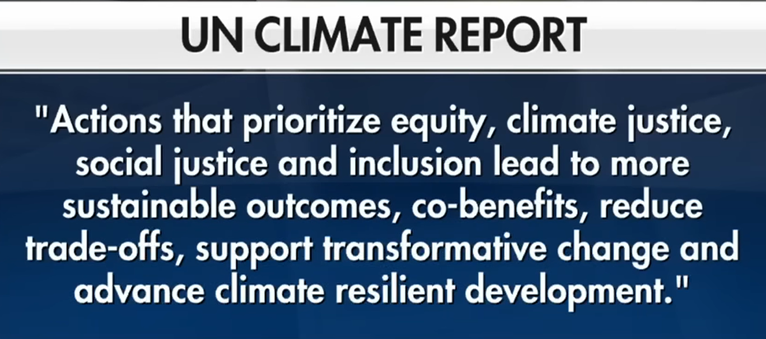
“If you don’t accept the climate science consensus (or COVID science consensus), then you are a science denier.”
Either/or “us and them” thinking tends toward exclusion and not embrace. It tends toward absolutism, authoritarianism, fundamentalism and judgement. We see it in Hamas’ attack on Israel. We see it in climate activism. We see it in cancel culture. We see it in the murderous history of totalitarian regimes. We see it in church teaching and we sing it: “Onward, Christian soldiers, marching as to war.”
We see it in the teachings and practice of Christians, Muslims, and the Progressive Left which would have us believe that they are the opposite of conservative either/or thinking while mandating their own anything-goes version of it. Theology, ideology and government policies are marketed with the dichotomy of good and bad.
It seems that many have retained their childhood’s unyielding binary worldview. It is used as a defense mechanism, as a means of protection from the “hazards and vicissitudes of life”. (From the statement made by FDR when he signed the Social Security Act.)
I’ve seen the binary thinking defense mechanism employed by Christians. Though it comes across as holding fast to the faith and Sola Scriptura, faith vs. science messaging reduces the supposed conflict to “us vs. them” binary thinking which allows no quarter for God’s revelation in nature as revealed by science. Yet, God has revealed himself in both scripture and nature. Science is a tool for understanding God’s revelation of Himself in the physical world.
When I told my eighty-nine-year-old Godly mother that, based on research, I believed the universe to be billions of years old and that God used evolution, she didn’t reply “That’s interesting. Tell me more.” She said “That’s heresy!” Her defense mechanism alarm bell went off. She was reacting from what she had been taught and how she had been taught to think about what she was taught.
Becoming emotionally invested in extremes may lead to the exclusion of people, as “Heresy!” suggests. Such binary thinking can produce unrealistic portrayals of others and it can become used, as mentioned above, as a weaponized defense against others.
Certainly, there are people who watch news commentators because they relish the mocking and “owning” of the opposition. Certainly, there are people who go to church for the same reasons. But there is nothing mature about participation in bad mouthing others. I see nothing of this in Jesus.
I come across Jesus-whipping-the-money-changers-in-the-temple memes on social media. These are extrapolated as Jesus is “destroying” his enemies, so we can do the same. Horrible nonsense.
Relying solely on binary thinking is intellectual and spiritual laziness. An open both/and questioning mind is not a slippery slope and it’s not anything-goes Progressivism. Seek truth and not the comfort of tribal consensus.
Consider that no one has all the information – not your pastor nor MBI nor Anthony Fauci nor climate scientists. It’s OK. Consider that not everything is black and white. Knowing the difference and knowing when to introduce AND with “perhaps” is wisdom.
The Creator of the universe is not a small-minded Person. He holds a universe of disparate thought, theories, and faith in his hands. He is not threatened by any of it. A follower of the Creator of the universe lets God hold the messiness and uncertainty of life in His hands and does not feel threatened.
Finally, a reductionist’s worldview makes it incredibly difficult to hold space for the uncertainty and messiness of others. But there is a better way, a much better way: love and maturity.
Love is great-hearted; love is kind,
Knows no jealousy, makes no fuss,
Is not puffed up, no shameless way,
Doesn’t force its rightful claim,
Doesn’t rage or bear a grudge,
Doesn’t cheer at other’s harm,
Rejoices, rather, in truth.
Love bears all things, believes all things;
Love hopes all things, endures all things.
As a child I spoke, and thought, and reasoned like a child; When I grew up, I threw off childish ways.
I Cor. 13:4-7, 11
~~~~~
(Note: I’ve summed up a lot so as to make this post accessible. I was involved in the Jesus People movement during high school. Along with those in the movement I questioned a lot of the binary thinking of the church. I’ll share that story in another post.)
~~~~~
Science and Faith
In this episode, we focus on the apparent tension between science and faith.
“Many people believe that science and religious faith are bitter enemies with conflicting views of the universe. One the one hand there is the scientific account of the origins of life and then there is the story of universal origins told by the bible. But is this tension real, or is it based on a deep misunderstanding of what the Bible is and how it communicates?
. . .
“Consider this a crash course in reading the Bible as an ancient cross-cultural experience.”
Science & Faith (bibleproject.com)
~~~~~~
Kate Boyd | Science and the Messy Middle
Kate Boyd has been learning to live out her faith in the messy middle in a culture that rewards picking a side. While her journey didn’t begin with a conflict between science and religion, her story explores the complexities of understanding the Bible in today’s context and anyone who has struggled with issues of science and faith will resonate with this conversation.
149. Kate Boyd | Science and the Messy Middle | Language of God (biologos.org)
~~~~~
I’ve been told that I’m either naive or stupid.
I’m not sure which side I’m moron.
Rate this:
Filed under Christianity, Psychology, Science, social commentary, totalitarianism Tagged with absolutism, Authoritarianism, binary thinking, Catholicism, Christianity, either/or, fundamentalism, Protestantism, psychology, Science, totalitarianism